Dogs are perceptive, intelligent animals capable of complex behaviors, many of which can puzzle their owners. One such behavior—staring intently at a blank wall—can range from momentarily odd to deeply concerning. While an occasional glance at the wall may not signal anything serious, prolonged or repetitive staring warrants attention. Understanding why your dog engages in this behavior involves examining both physical health and psychological factors. This article explores the most common explanations, highlights warning signs, and provides actionable steps for concerned pet owners.
Medical Conditions That May Cause Wall Staring
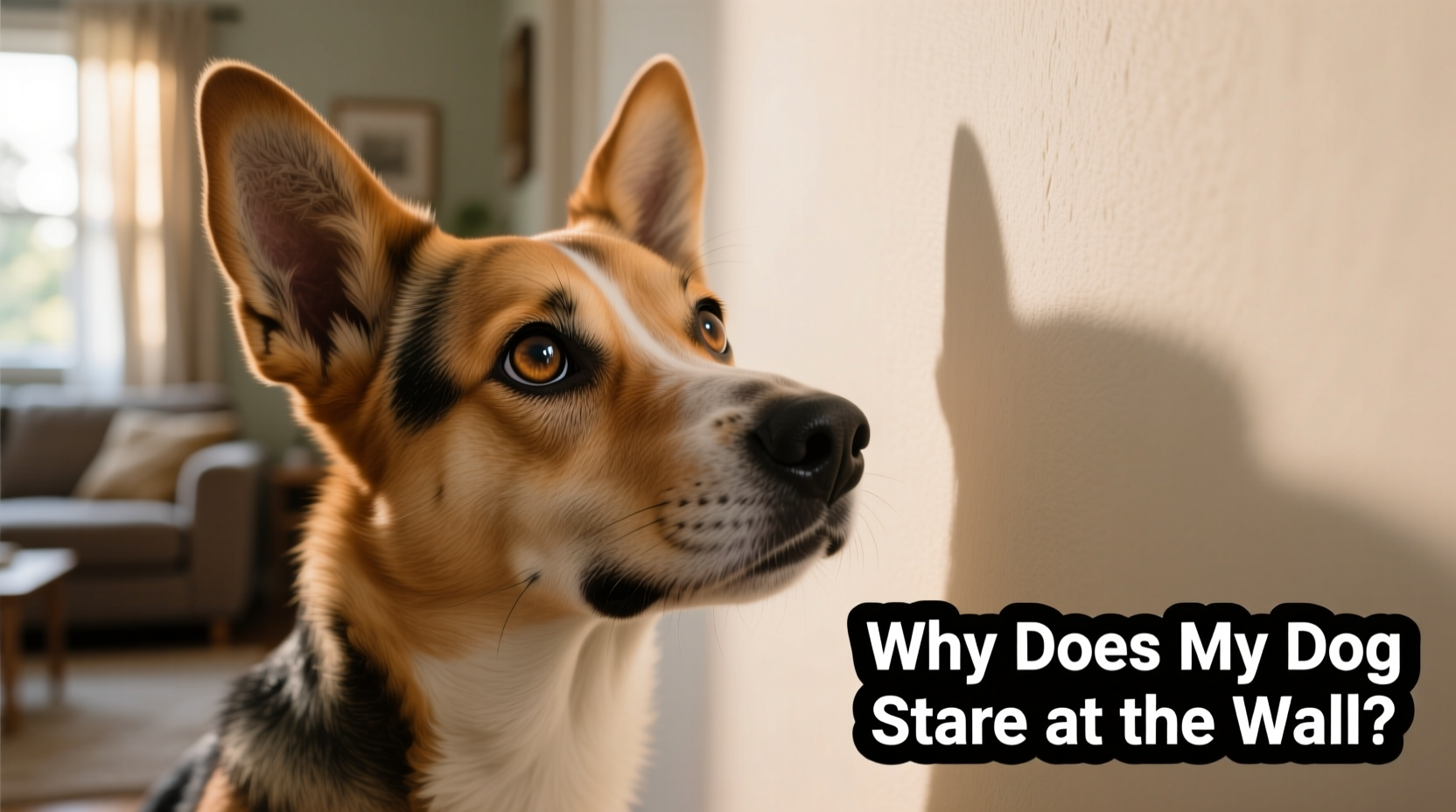
One of the most critical areas to investigate when a dog stares at walls is underlying medical issues. Neurological and sensory disorders can manifest through unusual behaviors, including fixation on empty spaces.
Epilepsy and Seizure Activity
Dogs experiencing partial (focal) seizures may display subtle symptoms that don’t involve full-body convulsions. These episodes can include:
- Fixed gaze at a single point, such as a wall
- Zoning out or appearing “unresponsive”
- Facial twitching or lip smacking
- Unusual vocalizations
Focal seizures originate in a specific area of the brain and may go unnoticed if they don't progress into generalized seizures. Veterinarians often refer to these as \"silent seizures,\" and they can be mistaken for daydreaming or confusion.
“Dogs with partial seizures may seem to stare into space or fixate on non-existent stimuli. These episodes can last seconds to minutes and may occur multiple times a day.” — Dr. Laura Bennett, Veterinary Neurologist
Cognitive Dysfunction Syndrome (CDS)
Similar to dementia in humans, Cognitive Dysfunction Syndrome affects older dogs and alters their perception, memory, and behavior. Common signs include:
- Disorientation in familiar environments
- Staring at walls or corners for extended periods
- Changes in sleep-wake cycles
- Reduced interaction with family members
A 2020 study published in *Frontiers in Veterinary Science* found that over 60% of dogs aged 11–16 years show at least one sign of cognitive decline. Wall-staring is frequently reported by owners during early stages.
Tip: Keep a log of your dog’s staring episodes—duration, frequency, and associated behaviors—to share with your veterinarian.Vision or Hearing Loss
Sensory impairments can lead to disorientation. A dog losing vision may stare at light patterns on walls or shadows they no longer fully perceive. Similarly, hearing loss may cause them to focus visually on movements or vibrations they can still detect, even if there's nothing visibly there.
Blind dogs sometimes develop compulsive behaviors, including circling or gazing at reflective surfaces, mistaking them for open space.
Behavioral and Environmental Factors
Not all instances of wall-staring stem from medical causes. Dogs are highly sensitive to their surroundings, and environmental triggers can prompt seemingly strange actions.
Perceiving Hidden Stimuli
What appears to be a blank wall to you might not be to your dog. Canines have superior senses, particularly smell and hearing. Possible hidden stimuli include:
- Rodents or insects moving inside walls
- High-frequency sounds from electrical devices
- Subtle air currents or drafts
- Shadows or light reflections from outside windows
Dogs may lock onto these stimuli with intense focus, especially if they associate them with past experiences—like chasing mice or responding to sounds.
Boredom and Lack of Mental Stimulation
Dogs left alone for long periods without enrichment may develop repetitive behaviors. Staring at walls can become a self-soothing habit, similar to pacing or licking. This is especially common in high-energy breeds or those confined to small spaces.
Without adequate physical exercise and mental challenges, dogs may invent their own forms of entertainment—even if it involves fixating on inanimate objects.
Compulsive Disorders
Like humans, dogs can develop compulsive behaviors triggered by stress, anxiety, or genetic predisposition. These behaviors start as coping mechanisms but can become ingrained habits. Examples include tail-chasing, shadow-chasing, and yes—wall-staring.
Border Collies, German Shepherds, and Doberman Pinschers are among the breeds more prone to compulsive tendencies, especially if under-socialized or kept in high-stress environments.
“Repetitive behaviors in dogs often begin as displacement activities during stress but can escalate into full-blown compulsions without intervention.” — Dr. Karen Overall, Veterinary Behaviorist
When to Be Concerned: Red Flags
Occasional glances at the wall are normal. However, certain patterns indicate the need for professional evaluation. Watch for:
| Behavior | Normal Occurrence | Potential Concern |
|---|---|---|
| Duration of stare | Less than 10 seconds | More than 30 seconds, unresponsive |
| Frequency | Once in a while | Multiple times daily |
| Response to name | Looks away when called | Ignores voice, seems “zoned out” |
| Associated symptoms | None | Twitching, drooling, circling, loss of balance |
If your dog exhibits any of the “Potential Concern” behaviors, schedule a veterinary consultation promptly. Early diagnosis improves outcomes, especially for neurological conditions.
Step-by-Step: What to Do If Your Dog Stares at Walls
Discovering your dog fixated on a wall can be unsettling. Follow this timeline to assess and address the issue methodically.
- Observe and Document (Days 1–3): Note when the staring occurs, how long it lasts, and whether other symptoms accompany it. Use a notebook or digital app to track patterns.
- Eliminate Environmental Triggers (Day 4): Check for noises, drafts, or pests. Turn off electronics temporarily to see if behavior changes.
- Increase Enrichment (Ongoing): Introduce puzzle toys, scent games, and structured walks. Aim for at least 30–60 minutes of active engagement daily.
- Schedule a Veterinary Exam (Within 1 Week): Request a full physical, blood panel, and neurological assessment. Mention all observed behaviors clearly.
- Follow Up with Specialists (If Needed): Based on initial findings, your vet may refer you to a veterinary neurologist or behaviorist for advanced diagnostics like MRI or EEG.
Mini Case Study: Max, the Senior Terrier
Max, a 13-year-old Jack Russell Terrier, began staring at the hallway wall every evening. His owner, Sarah, initially dismissed it as aging-related confusion. Over two weeks, the episodes increased in frequency—sometimes lasting over a minute. Max also started bumping into furniture and seemed less responsive at night.
Sarah recorded a video and brought it to her veterinarian. After a neurological exam and blood work, Max was diagnosed with early-stage Cognitive Dysfunction Syndrome. The vet prescribed a combination of selegiline (a medication to support brain function) and a structured routine with scent-based games and gentle walks.
Within six weeks, Max’s wall-staring decreased significantly. While he still had occasional lapses, his overall alertness and interaction improved. Sarah credits early intervention and consistency for slowing the progression.
Checklist: Assessing Your Dog’s Wall-Staring Behavior
Use this checklist to evaluate whether your dog’s behavior requires immediate attention:
- ☐ Episodes last longer than 30 seconds
- ☐ Dog does not respond when called during the episode
- ☐ Staring occurs multiple times per day
- ☐ Accompanied by twitching, drooling, or imbalance
- ☐ New or worsening behavior in an older dog (8+ years)
- ☐ No obvious environmental trigger (e.g., sound, light)
- ☐ Changes in sleep, appetite, or interaction levels
If three or more items apply, consult a veterinarian as soon as possible.
Frequently Asked Questions
Can stress really make my dog stare at walls?
Yes. Chronic stress or anxiety—such as separation distress, loud noises, or changes in routine—can lead to repetitive behaviors. Wall-staring may serve as a self-soothing mechanism, especially if the dog feels trapped or overstimulated.
Is wall-staring a sign of pain?
Indirectly, yes. While not a direct indicator, dogs in discomfort may exhibit altered behavior, including zoning out or fixating on objects. Pain can disrupt normal brain function and contribute to confusion or disorientation, particularly in older pets.
Should I interrupt my dog when they’re staring at the wall?
Gently call their name or make a soft noise to check responsiveness. Avoid startling them. If they snap out of it quickly and act normally, it may be benign. If they remain unresponsive or seem confused afterward, document the event and consult your vet.
Conclusion: Take Action with Confidence
Dog wall-staring isn’t inherently alarming, but it shouldn’t be ignored—especially when persistent or paired with other symptoms. Whether rooted in medical conditions like seizures or CDS, or behavioral issues like boredom and anxiety, understanding the cause is the first step toward helping your pet.
By observing carefully, ruling out environmental factors, and seeking timely veterinary care, you can ensure your dog remains healthy, comfortable, and mentally sharp. Don’t wait for symptoms to worsen. Proactive attention today can prevent bigger problems tomorrow.
💬 Your experience matters. Have you noticed your dog staring at walls? Share your story in the comments—your insights could help another pet owner recognize a warning sign early.








