Dogs are creatures of instinct, routine, and subtle communication. One of the most common yet puzzling behaviors pet owners observe is their dog spinning in tight circles before finally settling down to rest. Whether it happens once or multiple times, on carpet, grass, or a dog bed, this ritual appears across breeds and sizes. While it may seem odd—or even amusing—there’s a deep-rooted explanation for this behavior that spans evolution, survival instincts, and physical comfort.
This behavior isn’t random. It’s an inherited trait with practical origins, refined over thousands of years of domestication. Understanding why your dog performs this pre-sleep ritual can deepen your appreciation of their instincts and help you distinguish between normal habits and potential health concerns.
The Evolutionary Roots of Circling Behavior
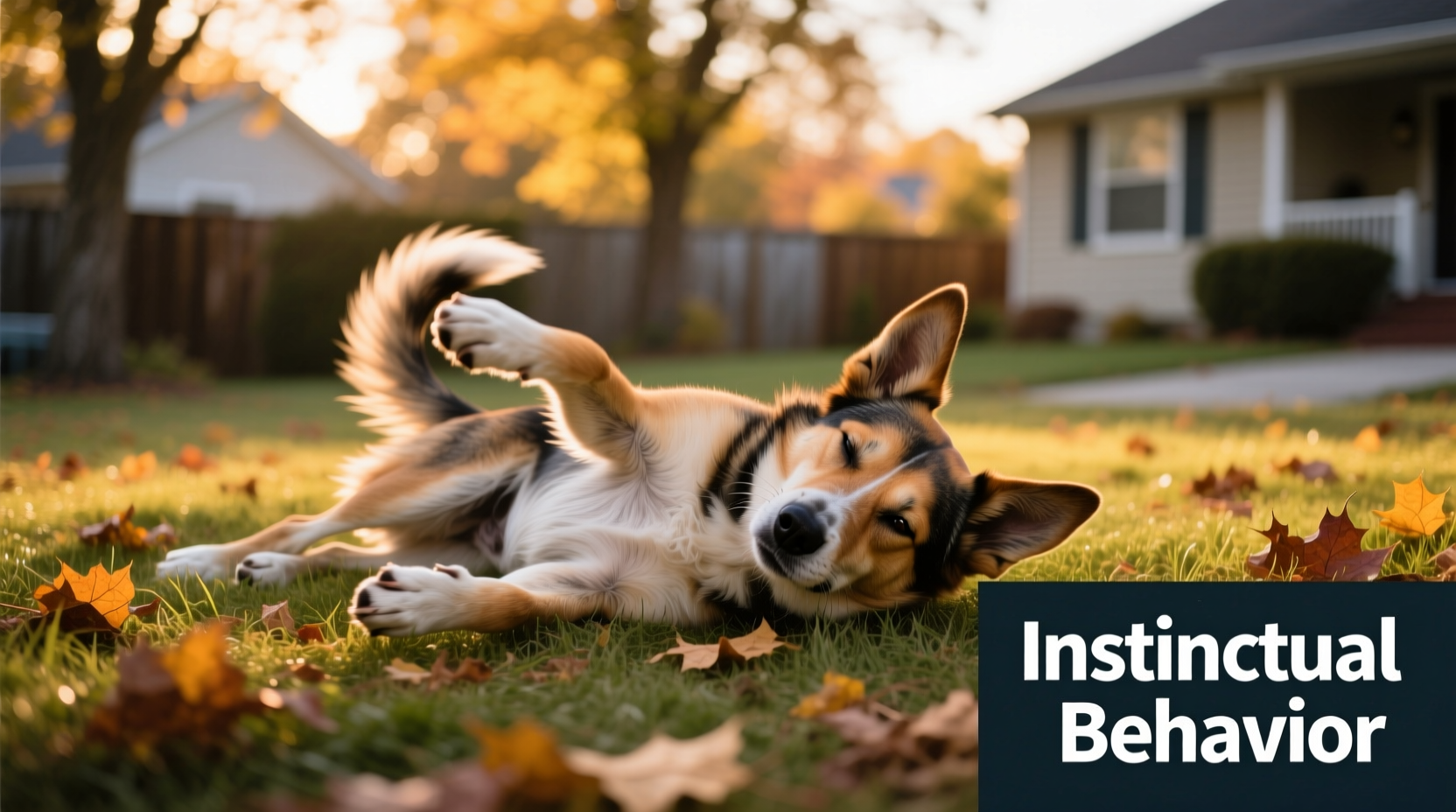
Long before dogs had plush beds and climate-controlled homes, their ancestors lived in the wild. Wolves, the primary ancestors of modern dogs, relied on natural behaviors to survive in unpredictable environments. One such behavior was circling before lying down—a practice that served several crucial purposes in the wild.
In open terrain, tall grass, leaves, snow, or uneven ground could hide dangers like snakes, insects, or sharp objects. By trampling the area in a circular motion, wolves flattened vegetation, displaced pests, and created a safer, more comfortable resting spot. This act also helped regulate body temperature by exposing cooler soil beneath or packing down snow for insulation.
Over generations, this survival strategy became hardwired into canine DNA. Even though today’s dogs sleep on orthopedic memory foam instead of forest floors, the instinct remains active. The spinning ritual is not learned—it’s innate, passed down from their wild ancestors as a subconscious preparation for rest.
“Circling before lying down is a deeply ingrained behavior rooted in survival. It’s one of many ancestral traits that persist despite domestication.” — Dr. Lena Torres, Canine Ethologist, University of Colorado
Purposes Behind the Spin: Comfort, Safety, and Scent Marking
While evolutionary history explains the origin of the behavior, modern dogs continue to circle for multiple overlapping reasons:
- Flattening the surface: Dogs adjust their sleeping area by pawing or turning, ensuring a level, debris-free space.
- Temperature regulation: In warmer climates, dogs may dig or spin to reach cooler soil underneath. In colder settings, they pack down snow or fluff bedding for insulation.
- Scent marking: Dogs have scent glands in their paws. Spinning and stepping on the ground deposits their unique odor, creating a familiar, secure zone.
- Positioning for safety: Circling allows dogs to assess their surroundings, check for threats, and position themselves strategically—often facing the exit or a known path.
These actions are part of a broader “nesting” behavior observed in many animals, including birds and rodents. For dogs, it’s a final check-in with their environment before entering a vulnerable state—sleep.
Tip: If your dog spins excessively or seems frustrated, try providing a thicker, more supportive bed. Some dogs need extra cushioning to feel fully settled.When Is Circling a Cause for Concern?
Occasional spinning—typically one to three turns—is completely normal. However, changes in frequency, intensity, or accompanying symptoms may signal underlying issues. Excessive circling, especially if new or compulsive, should be evaluated by a veterinarian.
Below are red flags that suggest the behavior has crossed from instinctual to problematic:
| Normal Behavior | Potentially Problematic Signs |
|---|---|
| 1–3 rotations before lying down | Spinning 10+ times without settling |
| Calm demeanor during and after | Appears anxious, agitated, or disoriented |
| Consistent routine across days | Sudden onset or dramatic increase |
| No vocalizations | Whining, growling, or panting while spinning |
| Lies down normally afterward | Unable to lie down or appears uncoordinated |
Medical conditions associated with abnormal circling include vestibular disease (affecting balance), neurological disorders like canine cognitive dysfunction (similar to dementia in older dogs), spinal pain, or inner ear infections. In rare cases, obsessive-compulsive disorder (OCD) in dogs can manifest as repetitive behaviors like constant spinning.
A Real-Life Example: Max, the Senior Labrador
Max, a 12-year-old yellow Labrador, always spun twice before lying down—just enough to settle his joints and find his favorite position. His owner, Sarah, never thought much of it. But over two weeks, Max began spinning five to seven times, often appearing confused and struggling to lie down. He started pacing at night and seemed restless.
Concerned, Sarah took Max to the vet. After a neurological exam and blood work, the vet diagnosed early-stage canine cognitive dysfunction. With medication, a structured bedtime routine, and environmental adjustments—including a heated orthopedic bed and nightlights—Max’s circling decreased significantly. His sleep improved, and he returned to his usual two-turn ritual.
This case highlights how a normal behavior can become a warning sign when patterns shift. Regular observation is key to catching issues early.
How to Support Your Dog’s Natural Routine
You don’t need to stop your dog from spinning—nor should you. Instead, support their instinctual needs with thoughtful care and environment design. Here’s how:
- Provide a consistent sleeping area: Dogs thrive on routine. A designated bed in a quiet, low-traffic zone helps them feel secure.
- Choose the right bed type: Orthopedic beds benefit older dogs; elevated cots suit hot climates; enclosed beds offer security for anxious pets.
- Maintain a clean sleeping space: Regularly wash bedding to remove allergens and irritants that might make your dog uncomfortable.
- Monitor flooring surfaces: Hard floors can be slippery. Add rugs or mats to prevent slipping during spins, especially for senior dogs.
- Observe behavioral changes: Keep a simple log of spinning frequency, duration, and mood to share with your vet if needed.
Step-by-Step Guide to Assessing Abnormal Spinning
If you notice unusual circling behavior, follow this timeline to determine whether intervention is needed:
- Day 1–2: Observe and record
Count how many times your dog spins. Note any vocalizations, limping, or hesitation. Record the time of day and location. - Day 3: Compare to baseline
Ask yourself: Is this different from their usual pattern? Has there been a recent change in diet, medication, or routine? - Day 4–5: Adjust environment
Try improving the bed, reducing noise, or adding non-slip flooring. See if behavior improves. - Day 6–7: Consult your vet if no improvement
Share your notes. Request a full physical and neurological evaluation, especially if your dog is over 7 years old. - Follow-up: Monitor treatment response
If a condition is diagnosed, track progress weekly and report back to your vet.
Early action can prevent discomfort and improve quality of life, particularly in aging dogs.
Frequently Asked Questions
Is it bad if my dog spins a lot before lying down?
Not necessarily. Many dogs spin multiple times due to breed tendencies, joint stiffness, or preference. However, if the behavior is new, excessive, or accompanied by distress, consult your vet to rule out medical causes.
Do all dog breeds do this?
Yes, all breeds exhibit some form of pre-lie-down behavior, though the intensity varies. Herding breeds like Border Collies and working dogs like German Shepherds may be more methodical, while smaller breeds like Chihuahuas might only pivot slightly. Puppies often spin more as they learn their routine.
Can I train my dog to stop spinning?
You shouldn’t try to eliminate this natural behavior. Redirecting or punishing it can cause stress. Instead, support the ritual by providing a comfortable, safe space where your dog feels free to follow their instincts.
Expert Insight: The Role of Genetics and Environment
Dr. Alan Prescott, a veterinary behaviorist at the Animal Behavior Clinic in Portland, emphasizes that both nature and nurture shape this behavior:
“The spinning ritual sits at the intersection of genetics and environment. While the drive to circle is inherited, how it manifests depends on the dog’s physical comfort, mental state, and surroundings. A well-adjusted dog in a secure home will perform the behavior efficiently—quickly and calmly. Stress or pain disrupts that efficiency.” — Dr. Alan Prescott, DVM, Diplomate ACVB
This insight underscores the importance of holistic care. Addressing not just the behavior but the context around it leads to better outcomes.
Final Thoughts: Respecting Instinct While Monitoring Health
Your dog’s pre-sleep spin is more than a quirky habit—it’s a window into their evolutionary past and current well-being. When performed in moderation, it reflects a healthy, instinct-driven animal preparing for rest. It’s a small act with deep significance, connecting your pet to a lineage that once roamed wild landscapes.
But like any repeated behavior, it deserves attention when it changes. By understanding the why behind the spin, you empower yourself to respond with empathy and knowledge. You’re not just a pet owner—you’re a steward of your dog’s physical and emotional health.
💬 Have you noticed changes in your dog’s spinning routine? Share your experience in the comments below—your story could help another pet parent recognize a subtle sign early.








