
Dogs often perform a series of ritualistic behaviors before settling down for rest—one of the most common being spinning in circles before finally plopping onto their bed or favorite spot on the floor. While this may seem quirky or even amusing, it's actually a deeply ingrained behavior with roots stretching back to the wild ancestors of modern domesticated dogs. Understanding why your dog spins before lying down offers insight into canine psychology, survival instincts, and even health indicators.
This seemingly simple act is more than just habit—it’s a window into evolutionary biology, environmental awareness, and comfort-seeking behavior. For pet owners, recognizing the meaning behind these actions fosters empathy and improves overall care. In some cases, changes in spinning patterns can signal underlying medical or behavioral issues, making awareness all the more important.
The Evolutionary Roots of Spinning Behavior
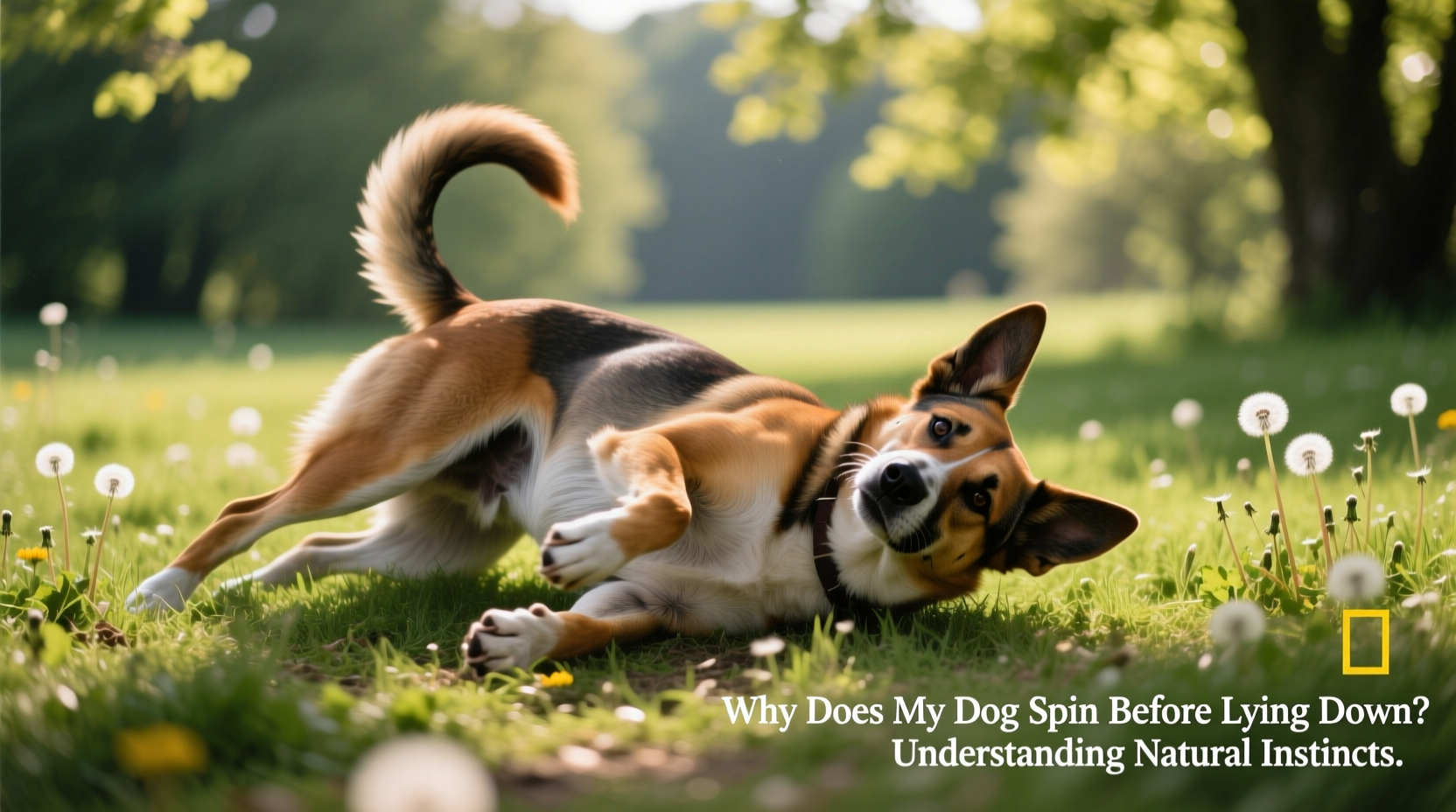
To understand why dogs spin before lying down, we must look back thousands of years to their wolf ancestors. In the wild, wolves and other canids did not have the luxury of plush dog beds or climate-controlled homes. Their resting spots were often in tall grass, dirt clearings, or snow-covered terrain—environments that posed real threats from predators, insects, and uncomfortable ground conditions.
Spinning served several practical purposes:
- Flattening the ground: By circling and pawing at the surface, animals could trample down tall grass or leaves to create a flatter, safer sleeping area.
- Detecting hidden dangers: The motion helped uncover snakes, insects, or sharp objects concealed beneath vegetation.
- Regulating temperature: In colder climates, spinning compacted snow or soil, providing better insulation. In warmer areas, it exposed cooler earth beneath the surface.
- Scent marking: As dogs walk in circles, they release pheromones from glands in their paws, subtly marking the space as their own.
These behaviors were passed down through generations, preserved even in today’s house-trained companions who sleep on orthopedic foam instead of forest floors. Modern dogs retain this instinctual routine because evolution doesn’t erase useful habits quickly—even if the original necessity has faded.
“Circling before lying down is one of many hardwired behaviors inherited from wild canids. It reflects an animal’s need to assess and prepare its environment for safety and comfort.” — Dr. Laura Bennett, Canine Ethologist
Is Spinning Normal? Frequency and Variations Across Breeds
In most cases, spinning once or twice before lying down is entirely normal and healthy. However, the frequency and intensity vary significantly among individual dogs and breeds. Some dogs make a full rotation; others pivot multiple times. A few barely move at all.
Breeds with strong working or herding lineages—such as Border Collies, German Shepherds, and Australian Shepherds—tend to exhibit more pronounced circling behavior. This may stem from heightened environmental awareness and alertness traits bred into them over centuries.
Conversely, brachycephalic breeds like Bulldogs or Pugs may show reduced spinning due to physical limitations or lower energy levels. Senior dogs might also circle less frequently due to joint pain or cognitive decline.
Tip: Observe your dog’s baseline behavior. Knowing what’s typical for your pet helps you detect subtle changes early.When Spinning Becomes Excessive: Red Flags
While occasional spinning is expected, repetitive or obsessive circling—especially when not followed by lying down—can indicate problems. Conditions associated with abnormal spinning include:
- Pain or discomfort: Arthritis, hip dysplasia, or spinal issues may cause a dog to struggle finding a comfortable position.
- Cognitive dysfunction syndrome (CDS): Similar to dementia in humans, older dogs may pace or circle aimlessly.
- Vestibular disease: Inner ear imbalances can lead to dizziness and compulsive walking in circles.
- Anxiety or OCD: Stress-induced repetitive behaviors sometimes manifest as constant turning.
If your dog suddenly starts spinning excessively, appears disoriented, whines while attempting to lie down, or avoids resting altogether, consult a veterinarian promptly.
The Role of Comfort and Territory in Canine Resting Habits
Beyond survival instincts, dogs spin to fine-tune their sense of comfort and security. Just as humans adjust pillows or blankets before sleep, dogs use movement to align their bodies optimally. This includes positioning themselves to face a particular direction—often toward the door or a familiar sound source—which enhances vigilance even during rest.
Additionally, the act of circling reinforces territorial ownership. Through scent marking via paw glands and visual arrangement of bedding materials, dogs communicate: “This space is mine.” Even in multi-pet households, each animal typically develops its own preferred spot and pre-sleep ritual.
| Behavior | Instinctual Purpose | Modern Interpretation |
|---|---|---|
| Spinning in circles | Flatten terrain, check for threats | Comfort adjustment, ritualistic habit |
| Pawing at surface | Digging for cooler soil or nest-building | Adjusting blankets or cushions |
| Scent marking via paws | Territorial signaling | Claiming personal space in home |
| Turning around before lying down | Ensure quick escape route | Positioning for awareness |
Environmental Influences on Spinning Patterns
A dog’s surroundings play a significant role in how much they spin. Dogs allowed to rest outdoors may circle more than indoor-only pets, responding to textures, temperatures, and natural stimuli. Similarly, unfamiliar environments—like hotels during travel or veterinary clinics—can trigger increased circling as the dog attempts to establish control and safety.
On the other hand, overly sterile or restrictive spaces may suppress natural behaviors. Confining a dog to a small crate without adequate bedding can prevent proper nesting behavior, potentially leading to stress or poor-quality sleep.
Mini Case Study: Max the Rescue Shepherd
Max, a 5-year-old German Shepherd mix adopted from a rural shelter, exhibited intense circling behavior upon arriving at his new home. He would spin five to seven times before lying down, sometimes abandoning the attempt altogether and moving to another room.
His adoptive family initially dismissed it as quirkiness. But after noticing Max frequently licked his paws and avoided certain surfaces, they consulted a vet. X-rays revealed mild hip dysplasia, which made transitioning into a lying position painful on hard floors.
After introducing a memory foam orthopedic bed and administering anti-inflammatory medication under veterinary guidance, Max’s spinning decreased dramatically. Within weeks, he settled with only one or two rotations—demonstrating how physical discomfort can amplify instinctual behaviors.
This case highlights the importance of distinguishing between normal instinct and compensatory behavior driven by pain or anxiety.
Step-by-Step Guide to Assessing Your Dog’s Spinning Habits
If you're concerned about your dog’s pre-sleep behavior, follow this structured approach to evaluate whether intervention is needed:
- Observe baseline behavior: Note how many times your dog spins before lying down during a typical day. Record frequency, duration, and context (e.g., after walks, at night).
- Check for physical signs: Look for limping, stiffness, reluctance to jump, or yelping when touched. These may suggest musculoskeletal issues.
- Evaluate the resting environment: Is the surface too hard? Too cold? Does the area feel secure? Consider adding padding or relocating the bed.
- Monitor changes over time: Sudden increases in spinning, especially in senior dogs, warrant veterinary evaluation.
- Consult a professional: If circling becomes obsessive, unidirectional (always turning the same way), or accompanied by disorientation, seek advice from a veterinarian or veterinary behaviorist.
Common Misconceptions About Canine Circling
Several myths persist about why dogs spin before lying down:
- Myth: “They’re just being stubborn or playful.”
Reality: The behavior is largely involuntary and rooted in biology, not defiance. - Myth: “Only poorly trained dogs do this.”
Reality: Even highly trained service dogs exhibit this behavior—it’s not linked to obedience. - Myth: “It means they don’t like their bed.”
Reality: Most dogs will spin regardless of bed quality. However, comfort can influence how quickly they settle.
Understanding the science behind the spin dispels judgment and encourages compassionate observation rather than correction.
Frequently Asked Questions
Why does my dog spin multiple times before lying down?
Multiplying spins can be part of natural instinct, especially in high-energy or anxious dogs. However, if the number of rotations increases suddenly or seems compulsive, it may point to discomfort, cognitive decline, or vestibular issues. Monitor for other symptoms and consult your vet if concerned.
Do puppies spin more than adult dogs?
Yes, puppies often spin more frequently as they are still refining motor skills and learning optimal resting positions. As they mature, the behavior usually stabilizes unless influenced by health factors.
Should I stop my dog from spinning?
No. Interrupting this natural behavior can increase stress. Instead, ensure your dog has a safe, comfortable place to rest. Only intervene if the spinning appears painful or obsessive.
Actionable Checklist: Supporting Healthy Resting Behavior
- ✅ Provide a supportive, well-padded bed appropriate for your dog’s size and age.
- ✅ Place the bed in a quiet, draft-free area where your dog feels safe.
- ✅ Regularly inspect for signs of joint pain or mobility issues.
- ✅ Avoid interrupting or scolding during pre-sleep rituals.
- ✅ Schedule annual vet checkups, especially for senior dogs showing behavioral changes.
- ✅ Record any sudden shifts in circling patterns for medical review.
Conclusion: Honoring Instinct, Ensuring Well-Being
Your dog’s spin before lying down is far more than a cute habit—it’s a living echo of ancient survival strategies refined over millennia. Respecting this instinct allows us to connect more deeply with our pets’ natural rhythms and emotional needs. At the same time, staying attentive to deviations ensures we catch potential health issues early.
By combining knowledge of canine evolution with modern veterinary insights, pet owners can create environments where dogs feel both instinctually fulfilled and physically supported. Whether your dog makes one smooth turn or three frantic loops, each rotation tells a story—one of adaptation, comfort, and belonging.
💬 Have you noticed changes in your dog’s spinning behavior? Share your observations or questions in the comments—your experience could help other pet parents understand their furry companions better.








