
Dogs exhibit a wide range of behaviors that can seem odd to human observers—tail chasing, sniffing other dogs’ rear ends, and especially spinning in circles before settling down for a nap. While this spinning ritual might appear random or even comical, it is deeply rooted in instinct. This behavior, often dismissed as mere quirkiness, is actually a survival mechanism passed down through generations of wild ancestors. Understanding why your dog spins before lying down offers insight into canine psychology, evolutionary biology, and the subtle ways domestication has shaped—but not erased—natural instincts.
The act of circling before lying down is so common across breeds and sizes that it transcends individual personality traits. Whether your dog is a tiny Chihuahua or a massive Great Dane, chances are they perform a few rotations before finally plopping down. But what drives this routine? Is it purely genetic? Could health issues be involved? And should you be concerned if your dog suddenly stops spinning—or starts doing it excessively? This article explores the biological, environmental, and behavioral factors behind this fascinating habit.
Evolutionary Roots of the Spinning Behavior
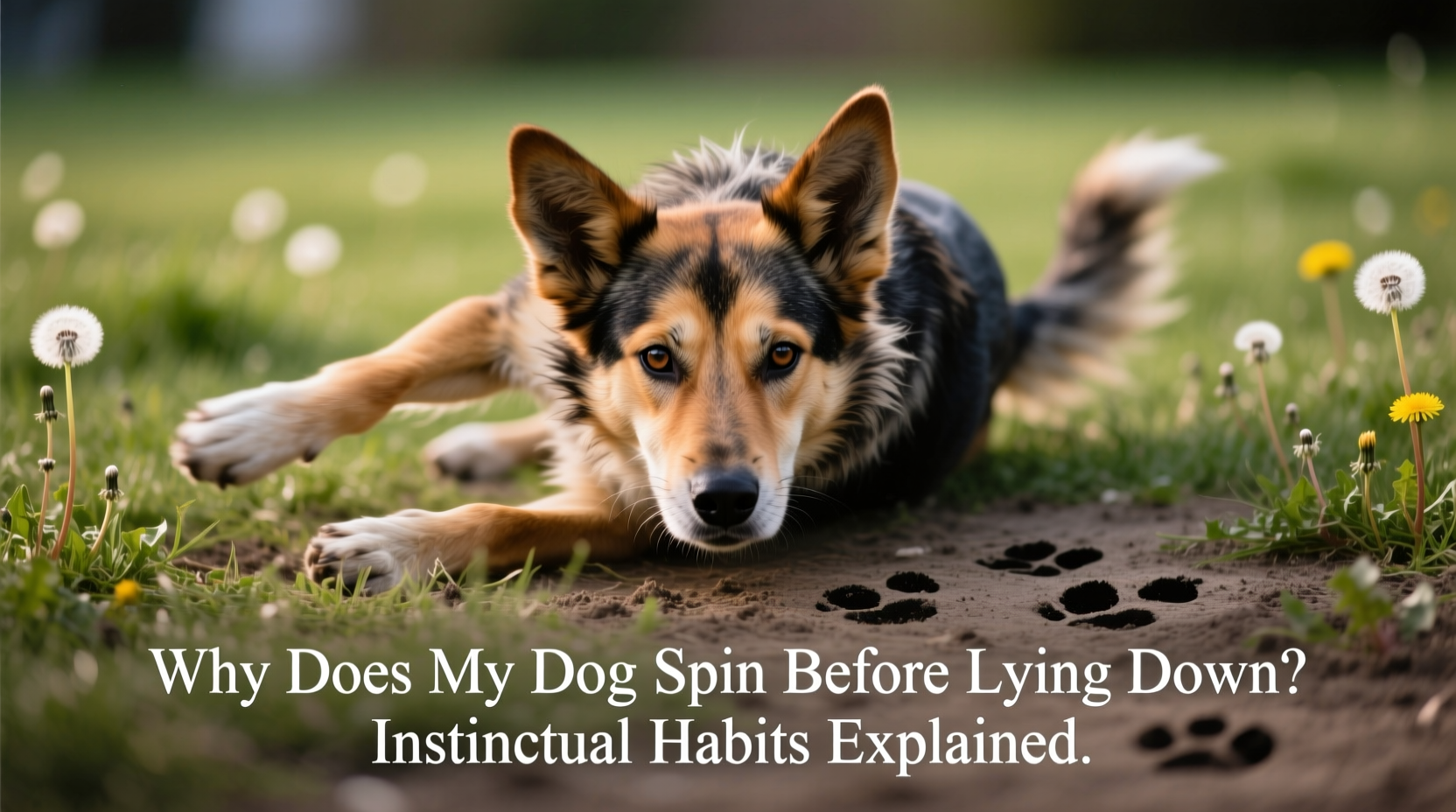
To understand why dogs spin before lying down, we must look back to their ancestors: wolves and early canids. In the wild, survival depended on vigilance, comfort, and protection from environmental threats. Before resting, animals needed to ensure their sleeping area was safe from predators, free of sharp objects, insects, or snakes, and properly oriented to wind direction and temperature.
Circling served multiple practical purposes:
- Flattening terrain: By trampling grass, leaves, or snow, wild canids created a level, compacted surface to lie on—similar to how birds build nests.
- Checking for threats: Each rotation allowed the animal to scan its surroundings one last time, using sight, smell, and hearing to detect danger.
- Scent marking: Paws contain scent glands. Circling helped mark the immediate area with familiar pheromones, reinforcing territorial security.
- Thermoregulation: In colder climates, wolves would circle to tuck their tails over their noses and conserve heat. The motion also helped position the body optimally against wind direction.
“Even though today’s dogs sleep on plush beds indoors, their brains still operate under ancient programming. Circling is a hardwired sequence designed for survival in unpredictable environments.” — Dr. Lena Torres, Canine Ethologist at the National Institute of Animal Behavior
This ingrained pattern persists in domesticated dogs despite centuries of selective breeding. The behavior isn’t learned—it’s inherited. Puppies as young as a few weeks old begin circling before naps, long before they’ve had the chance to observe adult dogs doing the same.
Instinct vs. Environment: How Modern Living Influences the Habit
In contemporary homes, dogs face none of the dangers their ancestors did. There are no hidden snakes in the carpet, no biting insects in the bedding, and certainly no rival predators lurking nearby. Yet, the spinning continues. Why?
The answer lies in the persistence of instinctual routines. Even when external threats vanish, internal programming remains. Just as humans blink reflexively or pull away from heat without thinking, dogs perform pre-sleep rituals automatically. These behaviors are governed by the basal ganglia—a part of the brain responsible for habitual actions.
However, environment can influence the frequency and intensity of spinning:
Tip: Observe how your dog behaves on different surfaces. Many dogs spin more on soft or uneven terrain (like beds or rugs) than on hard floors, mimicking the need to \"settle\" the ground.- Surface texture: Dogs may spin more on plush surfaces where they feel the need to adjust positioning.
- Temperature: In cooler rooms, dogs often perform tighter, more deliberate circles to curl up efficiently.
- Familiarity: In unfamiliar environments (hotels, vet clinics), dogs may spin more frequently due to increased alertness and anxiety.
A study published in *Applied Animal Behaviour Science* observed that shelter dogs performed significantly more rotations before lying down compared to household pets—suggesting that uncertainty amplifies instinctual behaviors.
When Spinning Might Signal a Health Concern
While occasional spinning is normal, excessive or abrupt changes in this behavior can indicate underlying medical issues. Repetitive, uncontrolled circling—especially when not followed by rest—may point to neurological or physical problems.
Common red flags include:
- Spinning without lying down afterward
- Loss of balance during or after circling
- Whining, trembling, or signs of discomfort
- Sudden onset in older dogs who never exhibited the behavior
- Spinning only in one direction
| Behavior | Normal Instinct? | Potential Red Flag? | Action Step |
|---|---|---|---|
| 1–3 slow circles before lying down | Yes | No | Monitor as normal behavior |
| 5+ rapid circles without resting | No | Yes | Consult veterinarian |
| Head tilt or wobbling during spin | No | Yes | Seek immediate evaluation |
| Spinning only at night or in dark | Possibly | Moderate concern | Check vision and cognitive function |
Conditions such as vestibular disease, canine cognitive dysfunction (similar to dementia), ear infections, or spinal pain can manifest through abnormal circling. Older dogs, in particular, may develop compulsive behaviors due to confusion or discomfort. If your dog begins spinning obsessively or seems disoriented, a veterinary exam is essential.
Mini Case Study: Max, the Senior Labrador
Max, a 12-year-old Labrador Retriever, began spinning seven to eight times in tight succession every evening before bed—up from his usual two rotations. His owner initially dismissed it as a quirk, but soon noticed Max would sometimes walk into walls afterward and appeared anxious. A vet visit revealed early-stage cognitive dysfunction and mild inner ear inflammation. After treatment and environmental adjustments—including a nightlight and memory foam bed—Max’s spinning returned to baseline levels within three weeks. This case illustrates how subtle behavioral shifts can signal deeper health concerns.
Practical Tips for Dog Owners
Understanding the reason behind your dog’s spinning doesn’t mean you need to intervene—but you can support their comfort and well-being by making small adjustments. Here’s how to respond appropriately to this instinctual behavior:
Tip: Never interrupt your dog mid-spin. Doing so may cause frustration or anxiety, as it disrupts a deeply ingrained routine.- Provide a consistent sleeping area: Dogs feel safest when their resting spot remains unchanged. Frequent moves or new beds can increase circling due to insecurity.
- Choose supportive bedding: Orthopedic or memory foam mats reduce the need for excessive adjustment, especially in senior dogs with joint pain.
- Minimize nighttime disturbances: Sudden noises or lights may trigger re-circling as your dog rechecks the environment.
- Watch for compulsive patterns: If spinning becomes ritualistic or interferes with rest, consult a veterinary behaviorist.
- Avoid punishment: Yelling or scolding your dog for spinning reinforces stress and may worsen anxiety-related behaviors.
Checklist: Is Your Dog’s Spinning Normal?
- ✅ Performs 1–3 slow, deliberate circles
- ✅ Lies down calmly after spinning
- ✅ Shows no signs of pain or imbalance
- ✅ Behavior is consistent across environments
- ✅ No vocalizations during the process
- ❌ Spins excessively (5+ times)
- ❌ Appears dizzy or disoriented
- ❌ Starts suddenly in an older dog
Frequently Asked Questions
Do all dog breeds spin before lying down?
Most do, though the extent varies. Herding breeds like Border Collies and Nordic breeds like Huskies tend to display more pronounced circling, possibly due to stronger ancestral ties to working outdoors. Brachycephalic breeds (e.g., Bulldogs) may skip spinning due to physical limitations or breathing discomfort, but the instinct is still present.
Can I train my dog to stop spinning?
You shouldn't try. Since the behavior is instinctual and stress-reducing, suppressing it may lead to anxiety. Instead, focus on creating a secure, comfortable environment that allows the ritual to occur naturally and conclude quickly.
Why does my dog spin and then not lie down?
If your dog spins but walks away, the spot may not feel “right” due to drafts, noise, light, or surface texture. It could also signal mild discomfort or indecision. Persistent failure to settle warrants attention, especially in older dogs who may have undiagnosed pain.
Conclusion: Respecting Natural Canine Instincts
The simple act of spinning before lying down is far more than a funny habit—it’s a window into your dog’s evolutionary past. This behavior connects your pet to a lineage of survivors who relied on instinct to stay safe, warm, and alert. While modern comforts have eliminated many of the original threats, the neural pathways remain active, guiding dogs through routines they don’t consciously understand but deeply rely on.
As dog owners, our role isn’t to correct every quirk but to observe, understand, and support our pets’ natural tendencies. By recognizing spinning as a healthy, instinct-driven ritual, we foster trust and emotional security. At the same time, staying alert to changes ensures we catch potential health issues early.
💬 Have you noticed differences in how your dog spins based on location or mood? Share your observations in the comments—your experience could help other pet owners better understand their furry companions.








