Dogs communicate in ways that often surprise and delight their owners. One such behavior—sneezing during moments of excitement—can seem odd at first glance. You’re playing fetch, your dog sees another pup at the park, or you’ve just returned home after work, and suddenly they erupt into a series of rapid sneezes. Is something wrong? Should you be concerned? In most cases, no. Excitement-induced sneezing is a common, harmless quirk rooted in canine physiology and social signaling. Understanding why dogs do this can deepen your bond and help you distinguish between playful communication and potential health issues.
The Science Behind Excitement Sneezing
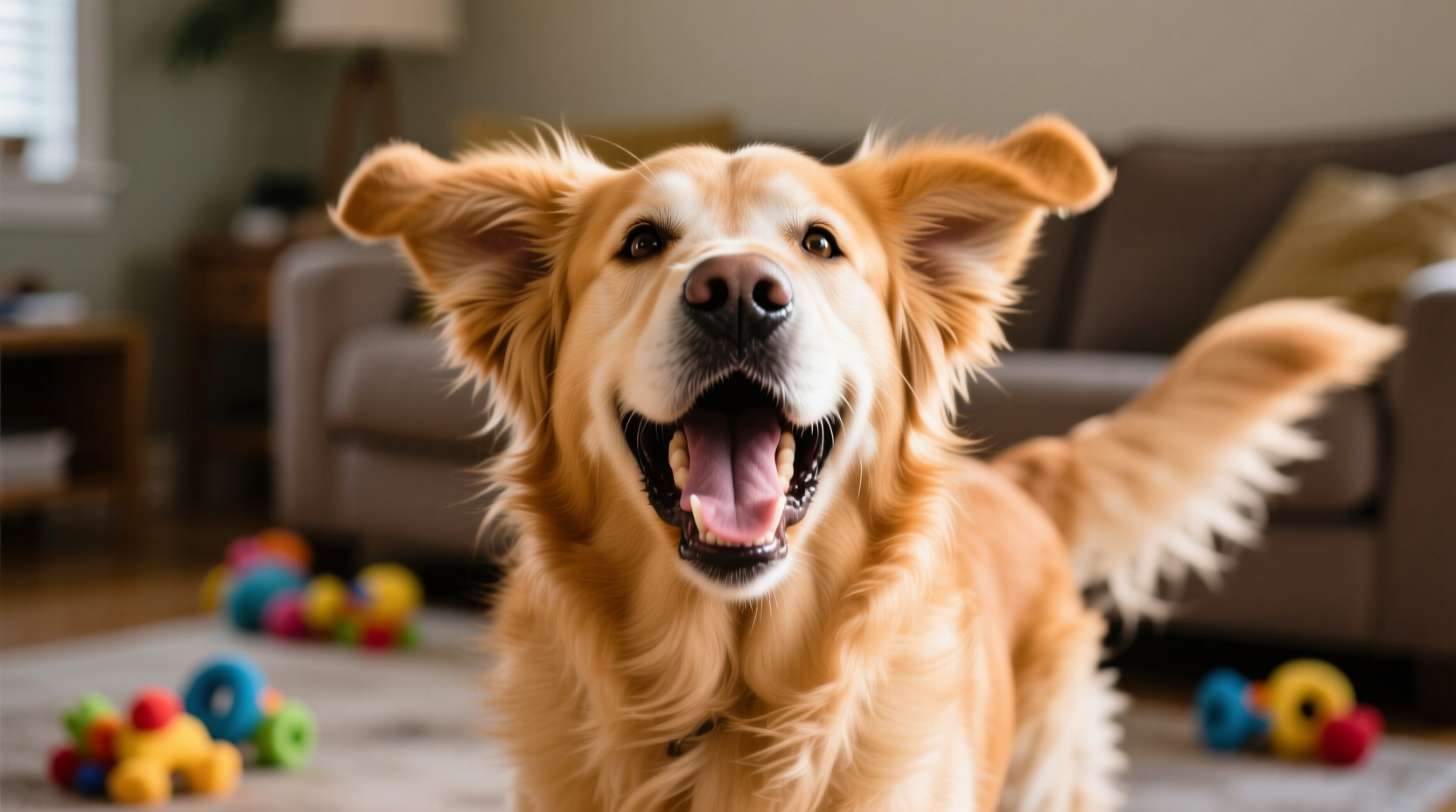
When a dog becomes highly stimulated—whether from play, anticipation, or social interaction—their nervous system goes into overdrive. This surge of adrenaline affects various bodily functions, including breathing patterns. Rapid sniffing, panting, and even involuntary muscle contractions in the nasal passages can trigger what appears to be a sneeze. Unlike human sneezing, which typically clears irritants like dust or pollen, canine \"play sneezes\" are often not driven by nasal irritation at all.
Veterinarians and animal behaviorists refer to these as “play sneezes” or “social sneezes.” They serve as a calming signal—a way for dogs to self-regulate arousal levels and communicate non-aggression during high-energy interactions. These sneezes are usually short, sharp, and repeated in quick succession, often accompanied by a relaxed posture, wagging tail, and bouncy body language.
“Play sneezing is a form of emotional regulation. It helps dogs manage arousal and signal friendly intent during boisterous interactions.” — Dr. Sarah Collins, Veterinary Ethologist
How Play Sneezing Differs from Medical Sneezing
Not all sneezing is created equal. While excitement-related sneezes are generally benign, persistent or forceful sneezing could indicate an underlying medical condition. The key lies in context: when, how often, and with what other symptoms the sneezing occurs.
| Feature | Excitement Sneezing | Medical Sneezing |
|---|---|---|
| Timing | During or right before play, greetings, or anticipation | Random, frequent, or at rest |
| Sound & Force | Short, soft, repetitive; sometimes looks like snorting | Loud, forceful, isolated or prolonged episodes |
| Body Language | Loose, wiggly, tail wagging, open mouth | Stiff, tense, pawing at face, squinting |
| Discharge | None | Mucus, blood, or pus may be present |
| Frequency | Only during specific stimulating events | Multiple times daily, regardless of activity |
If sneezing occurs outside of exciting situations, especially if paired with nasal discharge, nosebleeds, lethargy, or changes in appetite, a veterinary consultation is warranted. Conditions such as allergies, foreign bodies (like grass seeds), dental infections, or even nasal tumors can manifest through sneezing.
Tip: Observe your dog’s sneezing in context. If it only happens when they’re bouncing around joyfully, it’s likely a normal behavioral response.Communication Through Canine Calming Signals
Dogs rely heavily on body language to navigate social environments. What might look like a simple sneeze is often part of a broader set of signals used to maintain harmony. Ethologist Turid Rugaas identified over 30 calming signals dogs use to de-escalate tension, reduce stress, and convey peaceful intentions. Among them are lip licking, yawning, turning the head away—and yes, sneezing.
In multi-dog households or at the dog park, you might notice one dog sneezing mid-play session. This isn’t a sign of illness; it’s a way of saying, “I’m having fun, but I don’t mean any harm.” Other dogs often respond by relaxing their posture or briefly disengaging, allowing the interaction to remain positive.
This behavior is especially common in puppies and young dogs still learning social boundaries. As they mature, some dogs continue using sneezes as a habitual check-in during high-arousal moments, while others phase it out.
Real Example: Luna the Border Collie Mix
Luna, a three-year-old Border Collie mix, lives with two other dogs and an active family. Every morning, when her owner grabs the leash, Luna erupts into a fit of rapid-fire sneezes—sometimes five or six in a row—before dashing to the door. Her owners initially worried about allergies, but a vet confirmed she was healthy. A behaviorist explained that Luna uses sneezing as a release valve for pent-up excitement. It’s her way of managing the emotional surge of anticipating a walk. Once outside, the sneezing stops. Over time, the family learned to recognize this ritual as a joyful prelude to adventure, not a symptom of distress.
When Excitement Sneezing Might Need Attention
While most cases are harmless, there are exceptions. Some dogs may develop compulsive behaviors due to anxiety or overstimulation. If your dog seems unable to calm down after sneezing, paces incessantly, or shows signs of stress despite being in a safe environment, the behavior may reflect deeper emotional imbalance.
Additionally, brachycephalic breeds—such as Bulldogs, Pugs, and Shih Tzus—are more prone to respiratory issues due to their shortened airways. In these dogs, excitement can lead to reverse sneezing, a distinct phenomenon where rapid inhalations produce a loud, snorting sound. Though typically not dangerous, reverse sneezing episodes can be alarming to witness.
What Is Reverse Sneezing?
Reverse sneezing involves a sudden spasm of the throat and soft palate, causing the dog to rapidly pull air in through the nose. Episodes last seconds to a minute and often occur during excitement, eating, or exposure to irritants. While not usually harmful, frequent reverse sneezing should be evaluated by a veterinarian, especially if it worsens with age or effort.
“Reverse sneezing is common in flat-faced breeds, but chronic episodes may require management through weight control, allergen reduction, or even surgical correction in severe cases.” — Dr. Alan Perez, Board-Certified Veterinary Surgeon
Step-by-Step Guide to Assessing Your Dog’s Sneezing
If you're unsure whether your dog’s sneezing is behavioral or medical, follow this practical timeline to evaluate the situation:
- Observe the Context: Note when the sneezing happens. Is it tied to play, greetings, or walks? Or does it occur randomly?
- Check Body Language: Look for signs of relaxation (wagging tail, soft eyes) versus stress (tucked tail, whale eye, stiff posture).
- Monitor Frequency: Count how many times a day sneezing occurs and whether it happens without stimulation.
- Inspect for Discharge: Check the nose for mucus, blood, or crustiness after sneezing episodes.
- Record a Video: Capture a clip of the sneezing to show your vet. Audio and visual cues help differentiate play sneezes from medical ones.
- Schedule a Vet Visit: If sneezing persists beyond excitement, increases in intensity, or is accompanied by other symptoms, seek professional evaluation.
Do’s and Don’ts of Managing Excitement Sneezing
| Do’s | Don’ts |
|---|---|
| Acknowledge the behavior calmly | Reinforce excessive excitement with loud praise |
| Use sneezing as a cue to pause and reset during play | Scold or punish your dog for sneezing |
| Provide mental stimulation to reduce hyper-arousal | Ignore signs of overstimulation or fatigue |
| Teach focus commands like “sit” or “look” to channel energy | Allow unstructured, chaotic play sessions for long durations |
| Consult a trainer if excitement becomes unmanageable | Assume all sneezing is behavioral without ruling out medical causes |
Frequently Asked Questions
Is it normal for my dog to sneeze when they see other dogs?
Yes, it’s very common. Dogs often sneeze during social interactions as a calming signal to show they’re friendly and not a threat. As long as both dogs appear relaxed and play remains reciprocal, this behavior is perfectly normal.
Can excitement cause reverse sneezing?
Absolutely. Sudden bursts of energy, rapid breathing, or pulling on the leash can trigger reverse sneezing, especially in brachycephalic breeds. The spasms are usually brief and resolve on their own, but reducing abrupt excitement spikes can help minimize episodes.
Should I stop playtime if my dog starts sneezing?
Not necessarily. If the sneezing is soft and intermittent, it’s likely part of the play dynamic. However, if your dog seems overwhelmed, take a short break to allow them to reset. Use this moment to practice a calm command like “sit” or “settle” before resuming.
Supporting Your Dog’s Emotional Well-Being
Understanding why your dog sneezes when excited opens a window into their emotional world. Just like humans, dogs experience surges of emotion that need outlets. Sneezing, in this context, is a natural release mechanism—one that helps them stay balanced during moments of joy.
To support healthy emotional regulation, ensure your dog has a routine that includes structured exercise, mental challenges (like puzzle toys or training), and downtime. Overstimulated dogs are more likely to exhibit exaggerated behaviors, including excessive sneezing, barking, or jumping. Teaching impulse control through basic obedience builds confidence and reduces anxiety-driven reactions.
- Practice calm greetings at the door instead of allowing frantic leaping.
- Use food-dispensing toys to channel excitement into focused activity.
- Introduce “pause points” during play: ask for a sit or lie-down every few minutes.
- Gradually expose your dog to stimulating environments to build tolerance.
Conclusion: Embrace the Quirks, Stay Informed
Your dog’s sneeze during excitement isn’t a flaw—it’s a fascinating glimpse into their complex emotional and communicative repertoire. These little bursts of nasal expression are often signs of happiness, social intelligence, and self-awareness. By learning to read the context, you become a more attuned companion, capable of distinguishing between joyful quirks and genuine health concerns.
Keep observing, keep connecting, and never underestimate the power of a well-timed sneeze. If you’ve noticed this behavior in your dog, share your story. What triggers their sneezing fits? How do they react afterward? Your experiences can help other pet owners understand that sometimes, the weirdest behaviors are the most normal of all.
💬 Have a dog that sneezes when excited? Share your story in the comments—let’s celebrate the funny, heartwarming quirks that make our dogs uniquely wonderful!








