Dogs communicate in ways that often go unnoticed by even the most attentive owners. One of the more subtle yet common behaviors is when a dog chooses to sit with their back turned during cuddle time. At first glance, it might seem like a slight—perhaps even rejection. But in reality, this gesture is rarely about distance or disinterest. Instead, it’s deeply rooted in canine psychology, trust, and instinctual communication. Understanding why your dog turns away while still staying close reveals a richer layer of connection between you and your pet.
This seemingly paradoxical behavior—turning away while seeking physical contact—can be decoded through an understanding of dog social dynamics, scent signaling, and emotional safety. Far from being aloof, your dog may actually be expressing profound comfort and confidence in your presence.
The Canine Language of Trust and Vulnerability
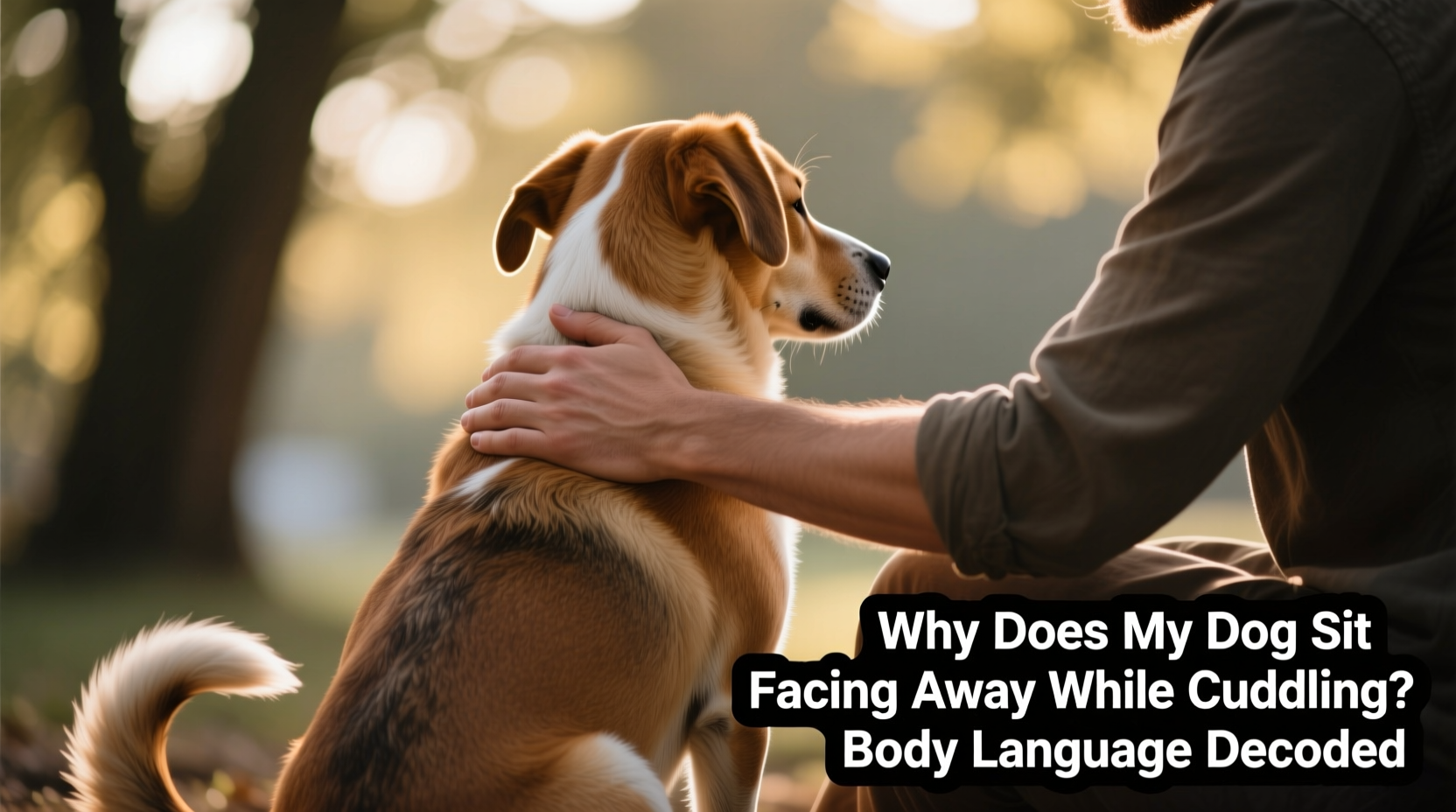
In the wild, dogs are pack animals whose survival depends on awareness of their surroundings. Turning one’s back in a threatening environment is risky—it exposes vulnerable areas like the neck and eyes. Therefore, in dog societies, only trusted individuals allow themselves to turn away from each other without tension.
When your dog curls up beside you but faces the opposite direction, they’re making a quiet declaration: I feel safe enough to expose my back to you. This is not indifference; it’s intimacy expressed through canine logic. Unlike humans, who equate eye contact and face-to-face interaction with affection, many dogs interpret prolonged staring as a challenge or threat. By avoiding direct eye contact, your dog maintains calmness and signals peaceful intent.
Tip: If your dog turns their back during cuddles, resist the urge to turn them around. Forcing face-to-face contact can increase stress and undermine the trust they’re showing.Scent Communication: The Hidden Reason Behind the Turn
Dogs experience the world primarily through smell. Each dog carries a unique olfactory signature released from glands located near the base of the tail, under the chin, and between the paws. When your dog presses their rear against you, they're not just leaning—they're marking you with their scent.
This act serves two purposes. First, it reinforces social bonding. In multi-dog households, canines often rub against one another to create a shared “pack odor,” which strengthens group identity. Second, by transferring their scent onto you, your dog is claiming you as part of their inner circle. It's a subtle but powerful way of saying, You belong to me.
This behavior is especially common in dogs that view their human as a primary attachment figure. The closeness allows for continuous scent exchange, providing reassurance throughout the day. Even after you move away, your clothing retains traces of their scent, which can have a calming effect when they're alone.
Environmental Awareness: Staying Alert While Bonding
Another practical reason dogs face away during cuddling is vigilance. Your dog may want to stay physically connected but also keep an eye (or ear) on the environment. Whether it’s the sound of footsteps outside, a squirrel darting across the yard, or the refrigerator humming unexpectedly, dogs are naturally attuned to changes in their surroundings.
By positioning themselves back-to-chest or back-to-leg, they achieve dual goals: maintaining physical contact for emotional regulation while preserving visual and auditory access to the room. This posture allows them to relax their muscles without compromising situational awareness.
This instinct is particularly strong in rescue dogs or those with anxious temperaments. These animals often develop hyper-vigilant habits due to past instability. Choosing to face outward while leaning into you indicates progress—they’re learning to trust, but haven’t fully let down their guard.
“Dogs don’t choose proximity randomly. A dog who leans into you while facing away is balancing emotional need with environmental caution—a sign of both attachment and adaptive intelligence.” — Dr. Lena Torres, Certified Applied Animal Behaviorist
Common Misinterpretations and What They Mean
It’s easy to misread canine body language through a human emotional lens. Below is a breakdown of common assumptions and the truths behind them:
| Human Assumption | Canine Reality | Supporting Signs |
|---|---|---|
| \"They’re ignoring me.\" | They’re processing stimuli differently; scent and touch matter more than sight. | Soft ears, relaxed tail, steady breathing. |
| \"They don’t love me.\" | Affection isn't always expressed via eye contact; proximity itself is a bond signal. | Leaning, sighing, staying nearby after interaction. |
| \"They’re being stubborn.\" | They’re self-soothing using natural postures that reduce anxiety. | Licking lips, blinking slowly, no stiffening. |
| \"They want space.\" | If they remain in contact, they seek closeness—even if indirectly. | Tail thumps gently, stays within reach, follows you afterward. |
How to Respond: Strengthening the Bond Through Respect
Recognizing the meaning behind your dog’s orientation is only half the equation. The next step is responding in a way that deepens mutual understanding. Dogs thrive on consistency and respect for their boundaries. Pushing for eye contact or repositioning them disrupts the delicate balance they’ve created for comfort.
Instead, honor their chosen posture. Gentle petting along the back, base of the tail, or sides of the neck (if accessible) reinforces positive association without demanding behavioral change. Speak softly or hum quietly—many dogs find low-frequency vocalizations soothing.
Over time, you may notice shifts in how your dog positions themselves. Some begin alternating between facing you and turning away, indicating growing confidence. Others maintain a preference for rear-facing contact, and that’s perfectly normal. Individual personality, breed tendencies, and life history all influence these choices.
Mini Case Study: Max, the Rescue Terrier Mix
Max, a three-year-old terrier mix adopted from a rural shelter, initially cowered at touch. His new owner, Sarah, noticed he would edge toward her on the couch but always sit with his back pressed firmly against her leg, facing the living room door. Concerned he wasn’t bonding, she consulted a behavior specialist.
After observing Max’s full-body language—loose tail, soft eyes, frequent lip-licking out of relaxation rather than stress—the specialist explained that Max was using her as a secure base. His position allowed him to monitor potential threats while drawing comfort from her presence.
Sarah stopped trying to make him face her and instead began offering quiet praise and slow scratches at the top of his tail. Within six weeks, Max started voluntarily resting his head on her lap after settling in. He still usually faces away, but now occasionally turns for brief moments of eye contact—a milestone in canine-human trust.
Actionable Checklist: Responding to Back-Facing Cuddles
- Observe your dog’s overall body language before interpreting intent.
- Avoid forcing your dog to face you during cuddle sessions.
- Use calm vocal tones to reinforce security without demanding attention.
- Respect their space if they move away; never punish withdrawal.
- Gradually build trust through predictable routines and scent-positive interactions (e.g., sharing blankets).
- Consult a certified trainer or veterinary behaviorist if signs of anxiety persist (trembling, panting, avoidance).
Step-by-Step Guide to Building Mutual Comfort
- Observe Without Interfering: Let your dog choose their position during downtime. Note patterns—do they consistently face away? Only in certain rooms?
- Assess Body Language: Look for signs of relaxation: half-closed eyes, slow breathing, loose limbs. Tense muscles or pinned ears suggest discomfort.
- Respond Gently: Offer light touch where they permit it. Avoid sudden movements or looming over them.
- Create Safe Zones: Designate cozy spots with familiar scents (your worn shirt, their favorite bed) to encourage voluntary closeness.
- Encourage Choice: Allow your dog to initiate contact. Reward calm approaches with quiet affection, not treats or excitement.
- Track Progress: Keep notes on behavioral shifts over weeks. Small changes—like longer stays or occasional glances—are meaningful.
- Seek Support When Needed: If your dog shows fear-based reactions despite efforts, consult a professional experienced in fear rehabilitation.
Frequently Asked Questions
Is it bad if my dog never wants to look at me while cuddling?
No. Many dogs avoid direct eye contact because it feels intrusive. As long as your dog seeks proximity, responds to your voice, and appears relaxed, their affection is genuine—even if expressed indirectly. Breeds like Shiba Inus or Basenjis are naturally more reserved and less likely to engage in face-to-face bonding.
Could this behavior indicate pain or discomfort?
Possibly, but context matters. If your dog suddenly changes their cuddling habits—especially if accompanied by stiffness, flinching, or reluctance to be touched—it’s wise to consult a veterinarian. However, consistent back-facing cuddling without other symptoms is typically behavioral, not medical.
Should I train my dog to face me during cuddles?
Not necessarily. Training should focus on consent and comfort, not compliance. You can positively reinforce gentle eye contact using quiet rewards when your dog offers it naturally, but never force it. True connection grows from mutual respect, not coercion.
Conclusion: Seeing Love Through a Dog’s Eyes
Your dog’s decision to sit facing away while cuddling isn’t a snub—it’s a nuanced expression of trust, instinct, and sensory connection. In a world where humans prioritize eye contact and verbal affirmation, dogs speak in quieter dialects: through scent, touch, and the courage to turn their backs in peace.
By learning to read these subtleties, you deepen not just understanding, but empathy. The next time your dog leans into you rear-first, remember—you’re not being ignored. You’re being relied upon. You’re the anchor in their world, the warm presence they trust enough to watch the horizon for them.
💬 Has your dog surprised you with an unexpected cuddle habit? Share your story in the comments—your experience could help another pet parent feel seen and supported.








