Dogs communicate in ways that often go beyond barks and tail wags. Their body language — subtle shifts in posture, ear position, and even how they orient their bodies — reveals volumes about their emotional state and relationship with you. One behavior many owners notice is their dog sitting directly beside them but deliberately facing away. At first glance, this might seem dismissive or aloof, sparking concerns: Is my dog rejecting me? Does it mean there’s a trust issue? Or is it simply a matter of comfort?
The truth lies somewhere between instinct, environment, and individual personality. Far from being a sign of disrespect or distrust, a dog turning its back is often an indication of the opposite: deep-seated security. To understand this behavior fully, we need to explore canine social dynamics, environmental influences, and the nuances of trust in dog-human relationships.
The Canine Perspective on Trust and Vulnerability
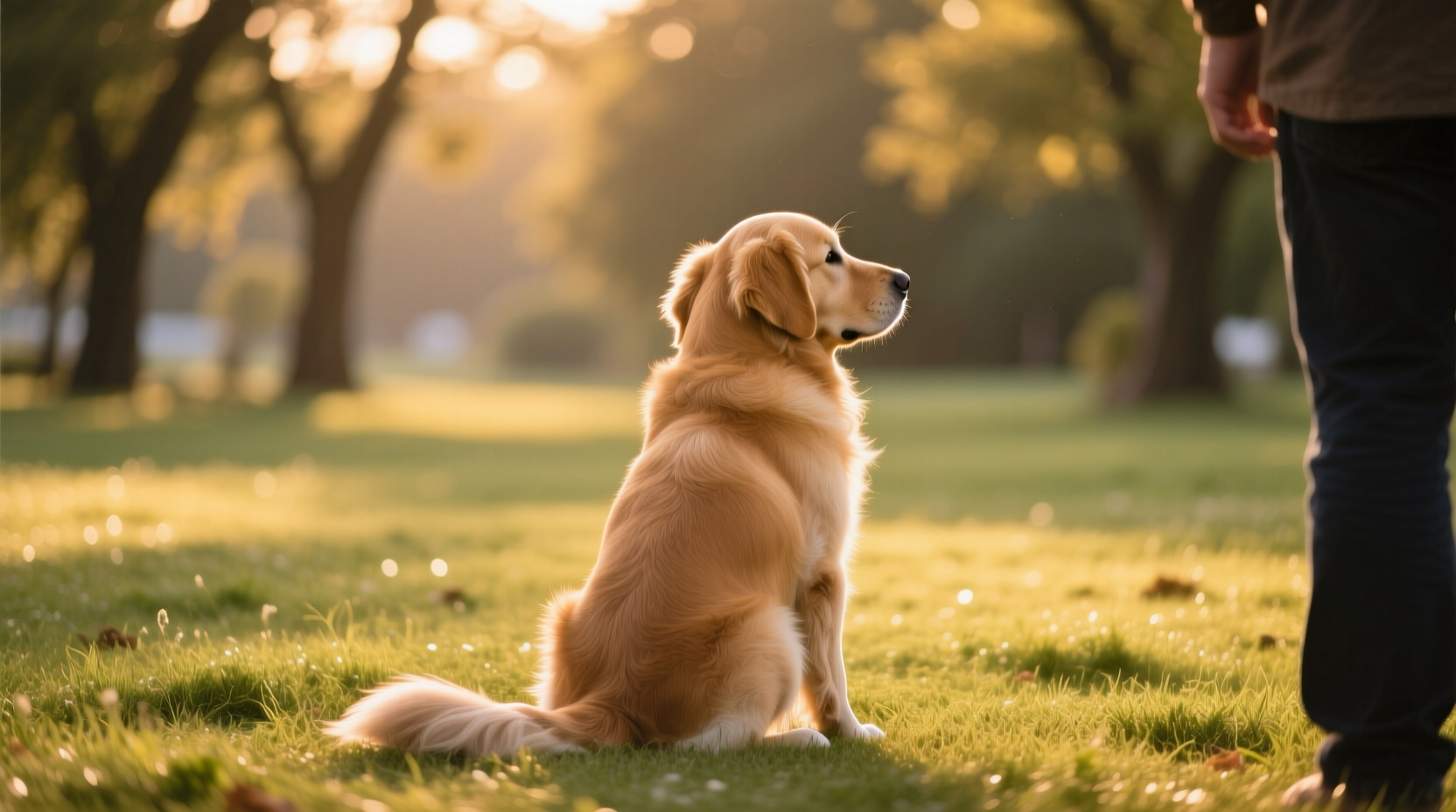
In the wild, dogs are pack animals with a strong awareness of vulnerability. Exposing one’s back — especially near another creature — is inherently risky. Predators or rivals could strike without warning. For this reason, many animals avoid turning their backs unless they feel safe. In domestic dogs, this instinct hasn’t disappeared; it has simply been reshaped by domestication and learned safety.
When a dog sits with its back to you, it may actually be a profound gesture of trust. By positioning itself so that its most vulnerable side faces you, the dog signals that it doesn’t perceive you as a threat. It’s akin to a human turning around in a crowded room and relaxing — only possible when they feel secure in their surroundings.
“Dogs who consistently turn their backs toward their owners are often demonstrating ultimate confidence. They’re not ignoring you — they’re relying on you.” — Dr. Laura Mendez, Certified Animal Behaviorist
This behavior is especially common in dogs that have formed strong attachments. They’ve learned that you won’t startle or harm them, so they don’t need to stay visually alert. In contrast, a nervous or anxious dog will often keep you in its peripheral vision, rotating slightly to maintain eye contact or ear orientation.
Comfort vs. Communication: Decoding Your Dog’s Posture
While trust plays a significant role, physical comfort cannot be overlooked. Dogs choose resting positions based on temperature, surface texture, joint health, and even routine habits. A dog might face away because:
- The airflow feels better from a certain direction.
- They’re aligning with a familiar sleeping pattern (e.g., always curling toward the wall).
- They’re following scent trails or monitoring sounds behind them.
- They’re mirroring another pet in the household.
For older dogs with arthritis or hip dysplasia, sitting at an angle may relieve pressure on sore joints. Similarly, dogs with sensitive hearing might orient themselves to detect subtle noises — such as a furnace kicking on or a neighbor’s door opening — which humans wouldn’t notice.
Tip: Observe your dog’s full body language. Relaxed ears, soft eyes, and a loose tail suggest comfort. Tense muscles or rapid breathing may indicate anxiety, regardless of direction.Social Hierarchy and Subtle Canine Etiquette
Dog behavior is deeply influenced by social structure. Even in homes without obvious dominance struggles, dogs navigate subtle rules of engagement. Facing away can sometimes be a calming signal — a way to de-escalate perceived tension.
For example, if you’ve been staring intently at your dog, petting too much, or showing excitement, your pup might turn slightly aside to create psychological space without appearing confrontational. Direct eye contact, while affectionate to humans, can feel intrusive or challenging to some dogs. Turning away breaks that intensity gently.
This isn’t rudeness — it’s diplomacy. Just as humans might glance out a window during a difficult conversation, dogs use body redirection to manage overstimulation. This behavior is especially common in shy, reactive, or highly sensitive breeds like Border Collies or Greyhounds.
Real-Life Example: Luna the Rescue Beagle
Luna, a three-year-old rescue beagle adopted after living in a shelter for eight months, initially avoided all physical contact. Her new owner, Mark, worked patiently using positive reinforcement and quiet companionship. After six weeks, Luna began lying on the living room rug each evening — always with her back pressed against the couch, facing away from Mark.
At first, Mark worried she hadn’t bonded with him. But a consultation with a veterinary behaviorist revealed the truth: Luna was choosing proximity *and* control. The couch gave her a sense of enclosure, and facing away allowed her to relax without feeling watched. Over time, as her confidence grew, she began occasionally glancing back, then eventually resting her head on Mark’s foot — small milestones of growing trust.
Today, Luna still often sits with her back turned — but now she leans into him, a clear sign of attachment. What once looked like avoidance became a ritual of safety.
Is It Ever a Sign of Mistrust?
While back-sitting is usually benign or even positive, context matters. In rare cases, turning away can reflect discomfort — particularly if accompanied by other signs of stress:
- Avoidance of eye contact combined with lip licking or yawning
- Stiff tail or tucked posture
- Walking away immediately when approached
- Refusal to take treats or engage in play
If your dog only turns away in specific situations — say, when you reach for their food bowl or after scolding — it may be a learned response to conflict. In these instances, the behavior isn’t about general trust but about managing fear in particular contexts.
| Behavior | Likely Meaning | Action Step |
|---|---|---|
| Dog sits close, back to you, relaxed posture | Trust and comfort | Respect their space; no action needed |
| Dog turns away abruptly when touched | Sensitivity or past trauma | Consult a vet or behaviorist |
| Dog avoids sitting near you altogether | Potential mistrust or anxiety | Build confidence through positive reinforcement |
| Dog faces away but tenses when you move | Hypervigilance or insecurity | Create predictable routines and safe zones |
How to Respond: Strengthening the Bond Without Pressure
Understanding your dog’s behavior is the first step. The next is responding in a way that nurtures mutual respect. Pushing for attention — forcing cuddles, picking them up, or blocking their movement — can erode trust, even if done with love.
Instead, focus on creating an environment where your dog feels empowered to choose connection. When they initiate contact, reward it generously with calm praise or a treat. Allow them the freedom to disengage without consequence. Over time, this builds a relationship based on consent rather than coercion.
Step-by-Step: Building Mutual Trust Through Body Language
- Observe without interfering. Note when and where your dog chooses to sit. Look for patterns related to time of day, presence of others, or activity level.
- Avoid direct approaches. Instead of walking straight toward your dog, approach at an angle or sit nearby without making eye contact.
- Let them come to you. Place a treat on the floor near you or pat your leg gently. Wait for your dog to decide whether to respond.
- Respect withdrawal. If your dog walks away or turns further aside, do not follow or call insistently. Give space and try again later.
- Reinforce calm proximity. When your dog rests near you — even if facing away — quietly offer a treat or soft-spoken praise to associate closeness with safety.
Checklist: Is Your Dog Comfortable and Secure?
Use this checklist to assess whether your dog’s back-facing behavior fits within normal, healthy boundaries:
- ✅ They remain physically close to you when relaxed.
- ✅ Their body is loose, not tense — ears natural, tail neutral.
- ✅ They respond to their name or cues when called.
- ✅ They seek you out for food, play, or reassurance.
- ✅ They exhibit no stress behaviors (panting, trembling, hiding).
- ✅ They sleep deeply in your presence.
If most items apply, your dog is likely expressing comfort, not concern. If several do not, consider consulting a certified dog trainer or veterinary behaviorist to explore underlying anxiety or medical causes.
Frequently Asked Questions
Does my dog not love me if they don’t face me?
No. Dogs express affection in many ways — leaning, resting nearby, following you from room to room, or even snoring softly at your feet. Orientation is not a measure of love. Many deeply bonded dogs prefer to sit back-to-back with their owners as a sign of unity and trust.
Should I try to make my dog face me?
Not necessarily. Forcing a change in posture can cause stress. Instead, work on building overall confidence. If your dog feels safe, they may naturally begin to face you more often — but their comfort should always come first.
Is this behavior more common in certain breeds?
Some breeds are more prone to independent or reserved behaviors. Nordic breeds like Huskies, working dogs like German Shepherds, and sight hounds like Whippets often display more aloof body language — not due to lack of affection, but due to temperament. However, individual personality plays a larger role than breed alone.
Final Thoughts: Listening Beyond the Surface
Your dog’s decision to sit facing away from you is rarely about rejection. More often, it’s a quiet testament to the safety you’ve provided. In a world where vigilance is survival, the ability to turn one’s back is the ultimate luxury — one reserved for those we truly trust.
That said, every dog is an individual. Some crave constant eye contact; others show love through peaceful coexistence. The key is learning your dog’s unique dialect of care and responding in kind. Rather than interpreting behavior through a human lens, embrace the quiet moments — the lean, the sigh, the back pressed gently against your leg — as their own form of devotion.
💬 What does your dog’s body language tell you? Share your experiences in the comments — your story might help another owner understand their furry companion just a little better.








