Dogs licking their paws isn't inherently concerning—many dogs groom themselves occasionally, much like cats. But when paw licking becomes obsessive, happening for hours each day or leading to redness, swelling, or hair loss, it's a sign something is wrong. Excessive licking can indicate physical discomfort, emotional distress, or underlying medical issues. Understanding the root cause is essential to stopping the behavior and ensuring your dog’s long-term well-being.
This article explores the most common reasons behind obsessive paw licking in dogs, from allergies to behavioral triggers, and provides practical, veterinarian-backed solutions to help you address the issue effectively.
Common Medical Causes of Obsessive Paw Licking
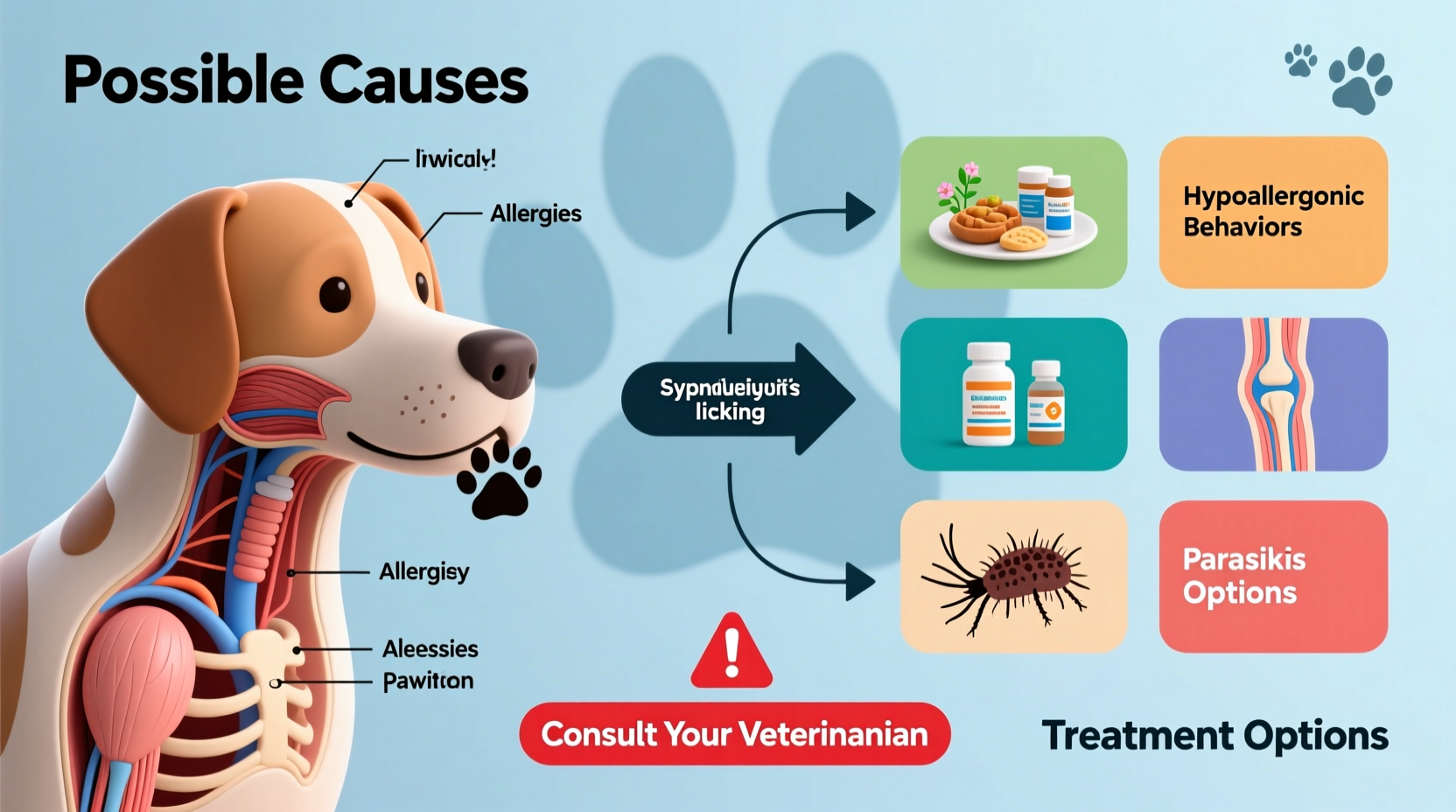
When a dog persistently licks one or more paws, the first step is ruling out medical conditions. These are often the primary drivers of compulsive grooming behavior.
Allergies (Environmental and Food)
Allergies are the number one cause of excessive paw licking in dogs. Unlike humans who sneeze or get watery eyes, dogs often manifest allergic reactions through their skin—particularly on the paws, ears, and belly.
- Environmental allergens: Pollen, mold, dust mites, and grass can stick to your dog’s paws during walks and trigger itching.
- Food sensitivities: Ingredients like chicken, beef, dairy, soy, or grains may cause systemic inflammation and localized irritation.
Chronic exposure leads to a cycle: itch → lick → inflamed skin → more itch. Over time, this can result in yeast or bacterial infections, worsening the condition.
Tip: Wipe your dog’s paws with a damp cloth after outdoor walks to remove allergens like pollen and chemicals.Skin Infections (Yeast and Bacterial)
Moisture trapped between toes creates an ideal environment for yeast (Malassezia) and bacteria to grow. Dogs with floppy ears or thick foot fur are especially prone. Signs include:
- Foul odor (\"corn chip\" smell)
- Red, swollen skin between toes
- Brown staining on light-colored fur
- Constant chewing at the same paw
These infections are both a cause and consequence of licking—dogs start due to mild irritation, but prolonged moisture and trauma open the door to overgrowth.
Parasites
Fleas, mites (especially sarcoptic or demodectic mange), and ticks can provoke intense itching. Even a single flea bite can trigger an allergic reaction in sensitive dogs. Mites burrow into the skin, causing pain and relentless scratching or licking.
Check between toes, under pads, and around nail beds for signs of irritation, scabs, or tiny black specks (flea dirt).
Foreign Objects and Injuries
A thorn, splinter, piece of glass, or even a torn toenail can prompt focused licking. Sometimes the object works its way deep, making it hard to spot without close inspection.
Limping, favoring a paw, or sudden onset of licking after a walk are red flags. Even minor cuts or burns from hot pavement can lead to persistent grooming as the area heals.
“Persistent paw licking should never be dismissed as ‘just a habit.’ It’s usually the dog’s way of telling us they’re uncomfortable.” — Dr. Rebecca Torres, DVM, Veterinary Dermatologist
Behavioral and Psychological Triggers
When medical causes are ruled out, behavioral factors often take center stage. Dogs are intelligent, emotionally complex animals, and stress manifests in physical ways.
Anxiety and Stress
Dogs may lick their paws as a self-soothing mechanism during times of anxiety. Common stressors include:
- Separation from owners
- Loud noises (thunderstorms, fireworks)
- Changes in routine or environment
- New pets or people in the home
The repetitive motion releases endorphins, creating a calming effect—similar to how humans might bite nails or twirl hair when nervous.
Boredom and Lack of Stimulation
Dogs left alone for long periods without toys, exercise, or mental engagement may develop compulsive behaviors. Paw licking becomes a default activity when there’s nothing else to do.
This is especially common in high-energy breeds like Border Collies, Australian Shepherds, or German Shepherds.
Compulsive Disorders
In some cases, what starts as a response to pain or stress evolves into a true compulsive disorder—like canine equivalent of OCD. The behavior persists even after the original trigger is gone.
Signs include:
- Licking for several hours a day
- Difficulty being distracted
- Continuing despite interventions
Step-by-Step Guide to Diagnosing and Addressing Paw Licking
Resolving obsessive paw licking requires a methodical approach. Follow these steps to identify and treat the root cause.
- Inspect the paws closely. Look for cuts, swelling, foreign objects, or discoloration. Gently spread the toes to check between them.
- Rule out parasites. Use a flea comb and examine for fleas, mites, or ticks. Consider a vet-approved preventative if not already in use.
- Monitor patterns. Does the licking happen at certain times (e.g., after meals, during storms)? Is it one paw or multiple?
- Try an elimination diet. If food allergy is suspected, switch to a novel protein (e.g., duck, venison) or hydrolyzed diet for 8–12 weeks with no treats or flavored medications.
- Visit your veterinarian. A full workup may include skin scrapings, allergy testing, bloodwork, or fungal cultures.
- Address environmental factors. Bathe with a hypoallergenic shampoo, wipe paws after walks, and consider air purifiers for indoor allergens.
- Implement behavioral strategies. Increase exercise, provide puzzle toys, and use positive reinforcement training to redirect focus.
- Consider medication if needed. For severe anxiety or compulsions, vets may prescribe anti-anxiety meds (e.g., fluoxetine) alongside behavior modification.
Effective Fixes and Preventative Measures
Once the cause is identified, targeted treatment can begin. Here are proven solutions based on the underlying issue.
Treatment by Cause
| Cause | Treatment | Prevention |
|---|---|---|
| Allergies (food) | Elimination diet, prescription hypoallergenic food | Avoid known allergens, read labels carefully |
| Allergies (environmental) | Antihistamines, immunotherapy, medicated shampoos | Paw wiping, air filters, limited outdoor exposure during peak pollen |
| Yeast infection | Antifungal wipes, oral medication, medicated baths | Keep paws dry, trim fur between toes |
| Bacterial infection | Antibiotics (topical or oral) | Prevent trauma, clean wounds promptly |
| Anxiety | Behavior modification, calming aids, medication | Routine, enrichment, desensitization training |
| Boredom | Increased play, training, interactive toys | Daily mental and physical stimulation |
Home Care Tips
- Paw balm: Use a natural, pet-safe balm to soothe cracked or irritated skin.
- E-collar or recovery suit: Prevent further damage during healing, but only as a temporary measure.
- Trim paw fur: Reduces allergen trapping and improves airflow.
- Rotate toys: Keeps your dog mentally engaged and reduces fixation on licking.
Real-Life Example: Max the Labrador
Max, a 4-year-old yellow Labrador, began obsessively licking his front paws every evening. His owner initially assumed it was a habit, but over time, Max developed bald spots and raw skin. A vet visit revealed no fleas or injuries, but skin testing showed sensitivity to grass pollen and chicken.
The solution was two-fold: switching to a limited-ingredient duck-based diet and using hypoallergenic wipes after walks. The owner also introduced a daily sniffing game in the backyard to redirect Max’s focus. Within six weeks, the licking decreased by 90%, and the skin healed completely.
This case highlights how combining medical and behavioral approaches yields the best results.
Checklist: What to Do If Your Dog Licks Their Paws Excessively
Use this actionable checklist to respond quickly and effectively:
- ☐ Inspect all four paws for injury, swelling, or foreign objects
- ☐ Note which paw(s) are affected and timing of licking episodes
- ☐ Wipe paws with a damp cloth after outdoor activity
- ☐ Check for fleas and apply preventative if needed
- ☐ Eliminate treats and table scraps to rule out food triggers
- ☐ Schedule a vet appointment for skin evaluation and testing
- ☐ Increase daily exercise and mental stimulation
- ☐ Try a short trial of antihistamines (only under vet guidance)
- ☐ Use a cone or soft collar if skin is breaking down
- ☐ Track progress weekly and adjust strategy as needed
Frequently Asked Questions
Is it normal for dogs to lick their paws after a walk?
Light grooming after being outside is normal, especially if paws are dirty or wet. However, prolonged or intense licking—especially if it happens daily or causes redness—is not normal and warrants investigation.
Can anxiety really cause a dog to lick their paws that much?
Yes. Anxiety triggers compulsive behaviors in dogs just as it does in humans. Licking releases calming brain chemicals, making it a self-reinforcing habit. Without intervention, it can become ingrained even after the stressor is removed.
How long does it take to see improvement after starting treatment?
It depends on the cause. Allergy-related licking may improve within 2–4 weeks of dietary changes or medication. Behavioral issues can take 6–8 weeks of consistent training and environmental adjustment. Patience and consistency are key.
Conclusion: Take Action for Your Dog’s Comfort and Health
Obsessive paw licking is more than a quirky habit—it’s a signal that your dog is struggling. Whether the source is physical pain, environmental irritation, or emotional distress, ignoring the behavior risks worsening health outcomes, including chronic infections and permanent skin damage.
The good news is that most causes are manageable with timely intervention. Start with a thorough vet evaluation, then combine medical treatment with lifestyle adjustments. With the right approach, you can break the cycle of licking and restore your dog’s comfort and quality of life.
💬 Have you dealt with obsessive paw licking in your dog? Share your experience or questions in the comments—your story could help another pet owner find relief for their furry friend.








