Dogs communicate in ways that aren’t always obvious. While occasional floor licking may seem harmless—perhaps your pup is cleaning up a crumb or simply exploring a scent—obsessive licking can signal something deeper. When your dog repeatedly licks floors for minutes at a time, especially without an apparent reason, it's worth paying attention. This behavior could stem from medical conditions, anxiety, or neurological issues. Recognizing when this habit crosses the line from quirky to concerning is crucial for your dog’s well-being.
Understanding Normal vs. Obsessive Licking
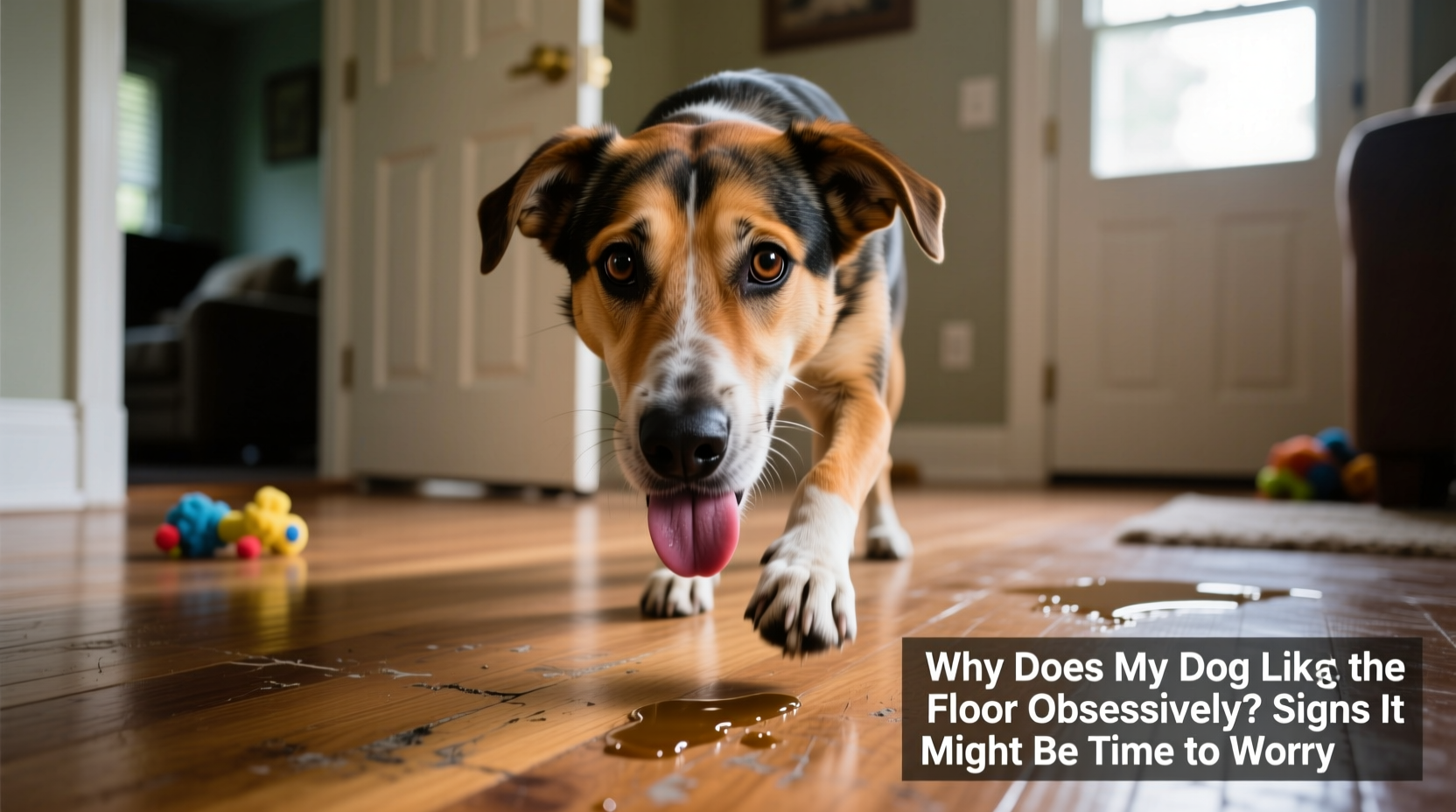
All dogs lick. It’s a natural behavior used for grooming, tasting, and even self-soothing. Puppies explore their world through their mouths, and adult dogs often lick surfaces after meals or when they detect food residue. These instances are typically brief and situational.
Obsessive licking, however, is repetitive, prolonged, and often occurs in the absence of any external trigger. If your dog spends 10–20 minutes multiple times a day focused on a single spot on the floor, or appears trance-like during these episodes, the behavior likely goes beyond curiosity.
Veterinarians define compulsive licking as occurring more than three times a week for over five minutes per session, especially if it interferes with normal activities like eating, sleeping, or playing. At that point, it’s no longer just a habit—it may be a symptom.
Tip: Use a stopwatch to track how long your dog licks the floor. Even short sessions that repeat frequently throughout the day can indicate a problem.Medical Causes Behind Excessive Floor Licking
One of the most common reasons dogs obsessively lick the floor is an underlying medical condition. The gastrointestinal system is frequently involved. Dogs experiencing nausea or stomach discomfort may lick floors as a way to soothe themselves—a behavior similar to humans chewing gum when nauseated.
Gastrointestinal disorders such as inflammatory bowel disease (IBD), acid reflux, or irritable bowel syndrome can prompt this response. A 2020 study published in the *Journal of Veterinary Behavior* found that over 60% of dogs presenting with excessive licking had an undiagnosed GI issue. In many cases, treating the digestive problem resolved the licking entirely.
Other medical causes include:
- Dental pain or oral disease – Discomfort in the mouth can lead dogs to lick surfaces compulsively.
- Nausea from medications or toxins – Certain drugs or ingestion of household cleaners can cause nausea and licking.
- Epilepsy or seizure disorders – Some dogs exhibit “focal seizures” that manifest as repetitive licking, often mistaken for behavioral quirks.
- Endocrine imbalances – Conditions like Cushing’s disease or hypothyroidism may contribute to unusual behaviors, including licking.
- Nutritional deficiencies – Lack of certain minerals or poor diet absorption can drive pica-like behaviors, including licking non-food surfaces.
“Excessive licking is often the only outward sign of gastrointestinal distress in dogs. Owners should never dismiss it as ‘just a habit’ without ruling out medical causes.” — Dr. Lena Patel, DVM, Board-Certified Veterinary Internal Medicine Specialist
Behavioral and Psychological Triggers
When medical issues are ruled out, the root cause may lie in your dog’s mental or emotional state. Canine compulsive disorder (CCD) is increasingly recognized as a legitimate condition, similar to OCD in humans. Stress, boredom, or changes in routine can trigger repetitive behaviors like floor licking.
Dogs left alone for long periods, those living in chaotic households, or pets adjusting to new environments (like a move or new pet) are more prone to developing compulsive habits. Licking releases endorphins, creating a calming effect. Over time, this self-soothing action can become ingrained—even when the original stressor is gone.
Signs that licking may be behavioral include:
- Licking primarily when alone or during high-stress situations (e.g., thunderstorms).
- A ritualistic pattern—same time every day, same spot on the floor.
- No improvement after dietary or medical intervention.
- Co-occurring behaviors like tail chasing, pacing, or excessive barking.
Mini Case Study: Bella, the Anxious Beagle
Bella, a 4-year-old beagle, began licking the kitchen floor every evening after her owner returned from work. Initially dismissed as post-meal cleanup, the behavior escalated to 30-minute sessions. A veterinary exam revealed no physical illness. However, a behaviorist noted that Bella only licked when her owner was home but not engaging with her—suggesting attention-seeking anxiety.
After implementing structured enrichment (daily puzzle toys, scheduled playtime, and a consistent routine), Bella’s licking decreased by 80% within six weeks. This case illustrates how environmental factors, not medical ones, can drive obsessive licking—and how targeted behavioral strategies can yield results.
When to Worry: Red Flags to Watch For
Not all floor licking requires emergency intervention, but certain warning signs suggest it’s time to consult a veterinarian or veterinary behaviorist.
| Red Flag | Potential Implication | Action to Take |
|---|---|---|
| Licking lasts more than 5 minutes, multiple times daily | Possible medical or compulsive disorder | Schedule vet check-up |
| Licking accompanied by vomiting, diarrhea, or loss of appetite | Gastrointestinal illness | Seek immediate veterinary care |
| Dog seems disoriented or unresponsive during licking | Focal seizures or neurological issue | Video the episode; consult neurologist |
| Licking leads to raw spots on lips or paws | Physical harm from compulsion | Prevent access; seek behavioral help |
| New onset after age 7 | Cognitive dysfunction or age-related illness | Evaluate for dementia or organ disease |
Step-by-Step: What to Do If Your Dog Licks the Floor Obsessively
If you’ve noticed persistent floor licking, follow this practical timeline to determine the cause and take appropriate action.
- Day 1–3: Observe and Document
Note when, where, and how long the licking occurs. Is it after meals? During storms? When alone? Track frequency and duration. Look for other symptoms like drooling, vomiting, or lethargy. - Day 4–7: Rule Out Environmental Triggers
Clean floors thoroughly with pet-safe cleaners to eliminate lingering food scents. Check for spills, pet treats, or cleaning residues that might attract licking. Switch to a non-toxic floor cleaner if needed. - Week 2: Schedule a Veterinary Exam
Request a full physical, including bloodwork, urinalysis, and abdominal palpation. Discuss GI health, dental issues, and possible neurological screening. Mention any medications your dog is taking. - Week 3: Consider a Behavior Evaluation
If medical tests come back normal, consult a certified veterinary behaviorist. They can assess for anxiety, compulsions, or environmental stressors. - Week 4 and Beyond: Implement a Management Plan
Depending on diagnosis, this may include medication (e.g., anti-anxiety drugs or GI treatments), dietary changes, increased mental stimulation, or training modifications.
Do’s and Don’ts: Managing Obsessive Licking
| Do | Don’t |
|---|---|
| Track licking episodes with notes or video | Ignore sudden or worsening licking |
| Provide daily mental enrichment (puzzle toys, training) | Yell at or punish your dog for licking |
| Use bitter sprays on floors to deter licking (if safe) | Assume it’s “just a phase” without investigation |
| Stick to a consistent feeding and walking schedule | Change diets or medications without vet guidance |
| Seek professional help early | Wait months hoping the behavior resolves on its own |
FAQ: Common Questions About Floor Licking in Dogs
Is it dangerous if my dog licks the floor every day?
Occasional licking is usually harmless. However, daily, prolonged licking—especially if it replaces normal behaviors—can indicate pain, illness, or psychological distress. It can also lead to secondary issues like lip fold dermatitis or ingestion of toxic residues. It’s best to have it evaluated rather than assume it’s benign.
Can anxiety really cause a dog to lick the floor?
Yes. Anxiety triggers the release of stress hormones, and dogs often develop displacement behaviors to cope. Licking provides sensory feedback and endorphin release, making it a self-reinforcing habit. Dogs with separation anxiety, noise phobias, or social stress are particularly vulnerable.
What if my vet finds nothing wrong?
Even with normal test results, the behavior may still require intervention. Consider a referral to a veterinary behaviorist. They may recommend anti-anxiety supplements (like CBD or L-theanine), prescription medications (e.g., fluoxetine), or environmental modifications to reduce triggers.
Conclusion: Listen to What Your Dog Is Trying to Tell You
Obsessive floor licking isn’t just a quirk—it’s a form of communication. Whether your dog is signaling stomach pain, anxiety, or confusion, ignoring the behavior risks missing a treatable condition. Early intervention improves outcomes, whether the fix is a change in diet, medication, or a behavioral plan.
Your dog relies on you to interpret what they can’t say aloud. By observing closely, seeking expert advice, and responding with compassion, you can address the root cause and restore balance to your pet’s life.
💬 Has your dog exhibited obsessive licking? Share your experience or questions in the comments—your story could help another pet owner recognize the signs early.








