
Dogs communicate in ways that don’t always make sense to us. Licking is a natural canine behavior—used for grooming, tasting, or showing submission—but when it becomes repetitive and directed at nothing in particular, it raises questions. If your dog frequently licks the air with no obvious trigger, you're not alone. Many pet owners notice this odd habit and wonder whether it’s harmless or a sign of something more serious. The truth is, air licking can stem from a range of causes, from mild anxiety to medical conditions requiring immediate attention. Understanding the underlying reasons is key to determining whether intervention is necessary.
Common Reasons Dogs Lick the Air
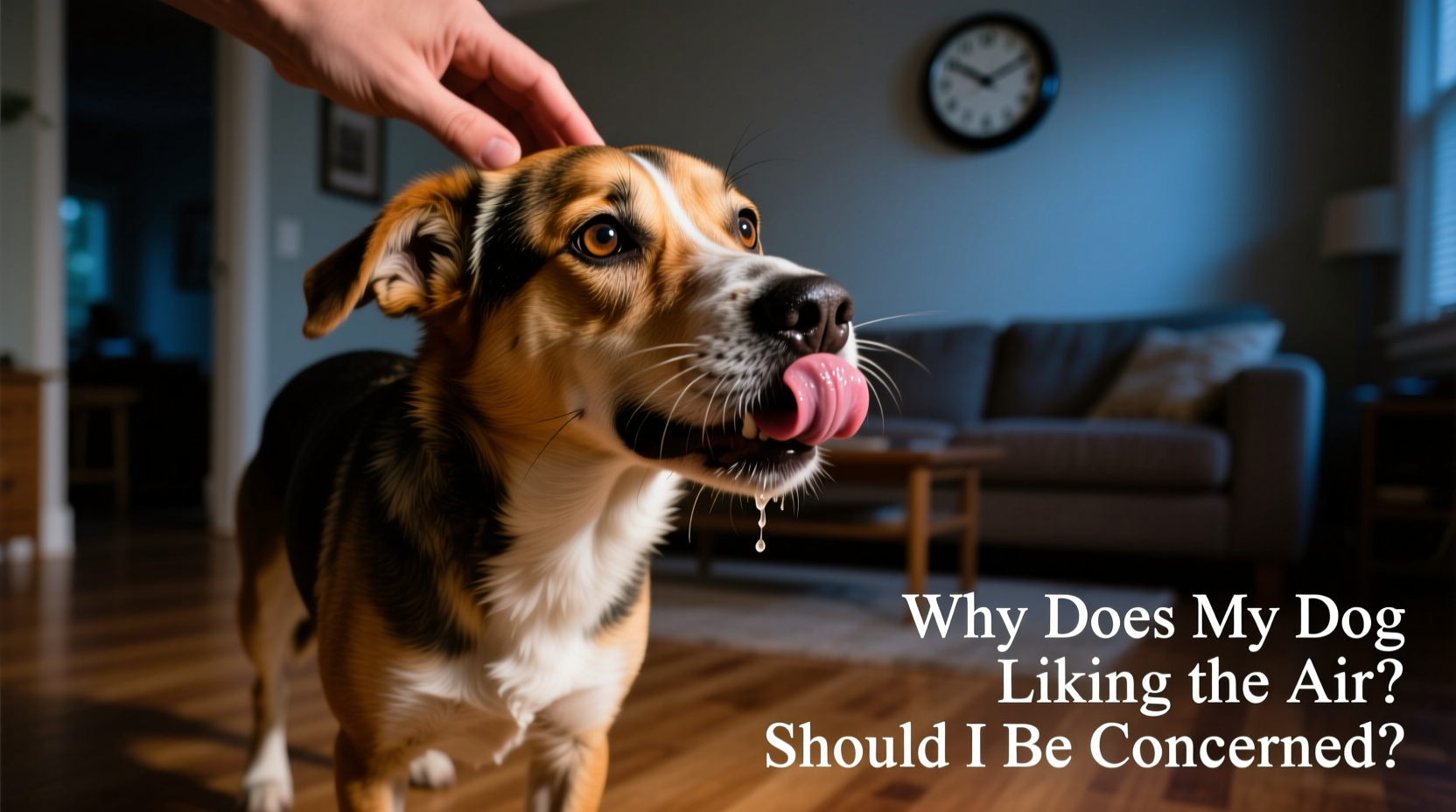
Air licking isn’t usually about taste or hunger. Instead, it often serves as a displacement behavior—a way for dogs to cope with stress—or signals an internal issue. Below are some of the most frequent explanations:
- Anxiety or Stress: Dogs may lick the air when feeling anxious, especially in unfamiliar environments, during thunderstorms, or around strangers. It’s a self-soothing mechanism similar to nail-biting in humans.
- Gastrointestinal Discomfort: Excess saliva production due to nausea or acid reflux can prompt licking. Dogs may swallow repeatedly or lick the air to manage discomfort.
- Dental Problems: Tooth decay, gum disease, or oral tumors can cause pain that leads to obsessive licking.
- Neurological Issues: Seizures, particularly focal (partial) seizures, can manifest as repetitive licking episodes without full-body convulsions.
- Olfactory Investigation: Dogs use their tongues to enhance scent detection via the vomeronasal organ. Brief air licking after sniffing may be normal information gathering.
- Obsessive-Compulsive Disorder (OCD): In some cases, air licking becomes ritualistic, especially in breeds prone to compulsive behaviors like Dobermans or Bull Terriers.
When Air Licking Signals a Medical Problem
Not all air licking is behavioral. Some causes require veterinary diagnosis and treatment. Persistent or escalating licking should never be ignored, especially if accompanied by other symptoms.
One major red flag is gastrointestinal distress. Dogs experiencing nausea may lick the air, drool excessively, or eat grass. Conditions such as inflammatory bowel disease, pancreatitis, or even intestinal blockages can present this way. Similarly, dental infections or oral foreign bodies can lead to chronic licking due to localized pain.
More concerning are neurological origins. Focal seizures, which originate in a specific part of the brain, may involve only facial muscles or repetitive actions like chewing or licking. These episodes can last seconds to minutes and may go unnoticed by owners who mistake them for quirky habits. Over time, they can increase in frequency or evolve into generalized seizures.
“Repetitive air licking, especially if it occurs in clusters or appears trance-like, should prompt a veterinary neurologic evaluation.” — Dr. Lena Torres, DVM, Veterinary Neurologist
Signs That Warrant Immediate Veterinary Attention
Certain accompanying behaviors elevate air licking from curious to concerning. Seek professional help if your dog shows any of the following:
- Licking lasting more than a few minutes at a time
- Glazed eyes or lack of responsiveness during episodes
- Vomiting, gagging, or excessive swallowing
- Loss of appetite or weight
- Sudden onset in older dogs
- Other compulsive behaviors like tail chasing or shadow staring
Behavioral vs. Medical: How to Tell the Difference
Distinguishing between psychological and physical causes is crucial for effective treatment. While overlap exists, certain patterns help differentiate them.
| Factor | Behavioral Cause | Medical Cause |
|---|---|---|
| Timing | Occurs during stressful events (e.g., storms, visitors) | Happens randomly, including at rest or during sleep transitions |
| Duration | Brief episodes, stops when distraction is introduced | Prolonged, repetitive, hard to interrupt |
| Response to Distraction | Easily redirected with toys or commands | Unresponsive or slow to react |
| Physical Symptoms | None; otherwise healthy and active | Drooling, vomiting, lethargy, changes in appetite |
| Onset | Gradual, linked to environmental changes | Sudden, especially in senior dogs |
For example, a dog that licks the air only when left alone likely suffers from separation anxiety. In contrast, one that stares into space and licks rhythmically every night before bed might be experiencing micro-seizures.
Step-by-Step Guide to Addressing Obsessive Air Licking
If your dog exhibits persistent air licking, follow this structured approach to determine the cause and implement solutions.
- Document the Behavior: Keep a log noting when licking occurs, how long it lasts, and any surrounding circumstances (e.g., before meals, during storms). Include video recordings if possible—these are invaluable for veterinarians.
- Schedule a Veterinary Exam: Begin with a full physical, including oral inspection and blood work. Your vet may check liver function, pancreas enzymes, and thyroid levels, as imbalances here can contribute to nausea or neurologic symptoms.
- Rule Out Dental Issues: A dental cleaning under anesthesia may be recommended, especially if bad breath, tartar buildup, or bleeding gums are present.
- Consider Gastrointestinal Evaluation: If nausea is suspected, your vet might prescribe anti-nausea medication or recommend dietary trials, ultrasound, or endoscopy.
- Neurological Assessment: For unexplained or seizure-like episodes, referral to a veterinary neurologist may be necessary. MRI or EEG testing can detect brain abnormalities.
- Address Behavioral Triggers: If medical causes are ruled out, focus shifts to anxiety reduction. Work with a certified animal behaviorist to develop a desensitization plan.
- Implement Environmental Enrichment: Provide puzzle toys, regular exercise, and predictable routines to reduce stress and prevent boredom-induced compulsions.
Mini Case Study: Max, the Anxious Rescue Dog
Max, a 4-year-old mixed breed, was adopted from a shelter six months ago. His new owner noticed he frequently licked the air after loud noises like doorbells or passing trucks. Initially dismissed as odd, the behavior increased in frequency and began occurring at night.
After a full veterinary workup—including blood tests, dental exam, and abdominal ultrasound—no medical issues were found. A behaviorist observed that Max would freeze, lick rapidly, and then pace after hearing sudden sounds. With a diagnosis of noise-related anxiety, a treatment plan began.
The owner started using sound desensitization recordings at low volumes, paired with treats. They also introduced a weighted anxiety wrap and consistent bedtime rituals. Within eight weeks, air licking decreased by over 80%. Occasional episodes still occur, but they’re shorter and less intense.
This case highlights how behavioral causes can mimic medical ones—and why a thorough diagnostic process is essential.
Tips for Managing and Reducing Air Licking
Tip: Never punish air licking—it’s a symptom, not defiance. Focus on addressing root causes instead.- Use calming aids like pheromone diffusers (Adaptil) or anxiety vests during known stressors.
- Feed smaller, more frequent meals if nausea is suspected.
- Avoid feeding table scraps or high-fat foods that can trigger pancreatitis.
- Establish a predictable daily routine to reduce environmental uncertainty.
- Engage your dog in nose work games or training exercises to redirect mental energy.
Checklist: What to Do If Your Dog Licks the Air Obsessively
- ✅ Record a video of the behavior
- ✅ Note frequency, duration, and triggers
- ✅ Schedule a comprehensive vet visit
- ✅ Request blood work and dental exam
- ✅ Rule out gastrointestinal or neurological conditions
- ✅ Consult a veterinary behaviorist if no medical cause is found
- ✅ Implement stress-reduction strategies
- ✅ Monitor progress and adjust treatment as needed
Frequently Asked Questions
Is occasional air licking normal in dogs?
Yes, brief episodes—especially after sniffing or in response to interesting scents—are typically normal. Dogs use their tongues to transfer scent particles to the Jacobson’s organ for deeper analysis. However, frequent or prolonged licking is not considered typical and warrants investigation.
Can diet affect air licking?
Absolutely. Poor-quality food, food intolerances, or eating too quickly can cause gastrointestinal upset and nausea, leading to air licking. Switching to a highly digestible, hypoallergenic, or novel-protein diet under veterinary guidance may resolve the issue if digestion is the culprit.
Are certain breeds more prone to obsessive licking?
Yes. Breeds like German Shepherds, Labrador Retrievers, Doberman Pinschers, and Bull Terriers have higher rates of compulsive disorders. These dogs may develop repetitive behaviors when stressed, bored, or confined. Early intervention is critical to prevent habits from becoming ingrained.
Conclusion: Know When to Act
Occasional air licking is rarely a concern, but when it becomes obsessive, it’s your dog’s way of signaling that something is off—whether emotionally, physically, or neurologically. Ignoring the behavior risks missing treatable conditions like seizures, dental pain, or chronic anxiety. By taking a methodical approach—documenting episodes, seeking veterinary insight, and addressing both medical and emotional needs—you give your dog the best chance at relief and comfort.
💬 Has your dog shown signs of obsessive air licking? Share your experience or questions in the comments—your story could help another pet owner recognize a warning sign early.








