Dogs communicate in ways that often puzzle their owners. One such behavior—air licking—can seem odd or even comical at first glance. You might notice your dog rapidly darting their tongue into the air, seemingly without reason. While occasional air licking is usually harmless, frequent or compulsive episodes may signal underlying physical, behavioral, or neurological issues. Understanding why dogs engage in this behavior is essential for responsible pet ownership. This article explores the full spectrum of causes, from benign habits to serious health concerns, and provides clear guidance on when it’s time to seek veterinary help.
Common Reasons Dogs Lick the Air
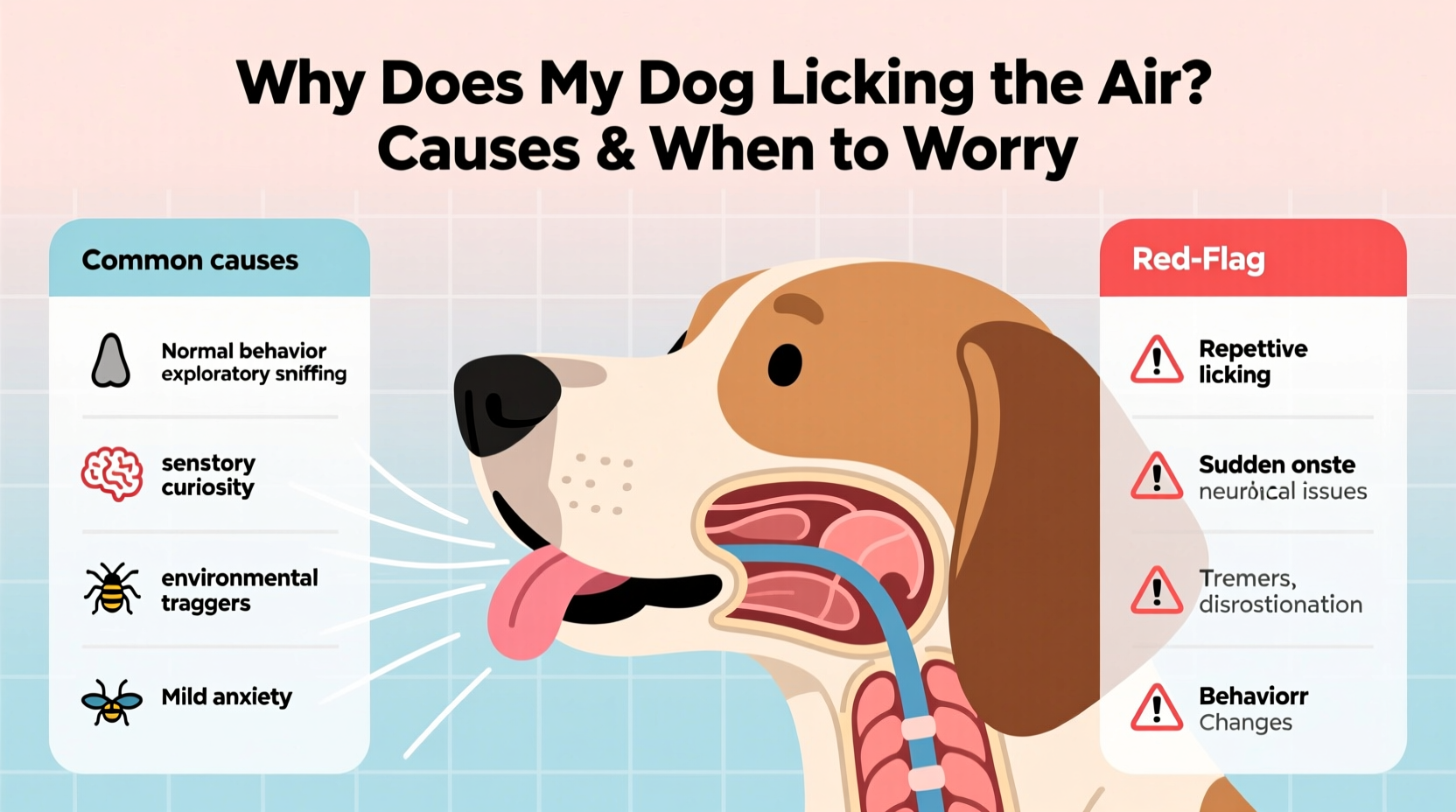
Air licking isn’t always a cause for alarm. In many cases, it's part of normal canine communication or sensory exploration. Dogs rely heavily on their sense of smell, and licking the air can enhance their ability to gather scent particles through the vomeronasal organ, located in the roof of the mouth. This behavior, known as the flehmen response, helps them analyze unfamiliar odors—such as those from other animals or new environments.
Beyond olfactory investigation, dogs may lick the air due to:
- Hunger or anticipation: A dog may lick the air when they smell food or expect a meal.
- Attention-seeking: If licking has been rewarded in the past (even with scolding), it can become a learned behavior.
- Anxiety or stress: Nervous dogs often develop displacement behaviors like licking, pacing, or yawning.
- Oral discomfort: Dental pain, gum disease, or foreign objects stuck in the mouth can prompt repetitive licking.
Medical Causes That Require Attention
When air licking becomes persistent or ritualistic, it may point to medical conditions needing professional evaluation. Some of these are urgent and require immediate intervention.
Gastrointestinal Issues
One of the most common medical reasons for air licking is nausea or gastrointestinal discomfort. Dogs experiencing acid reflux, an empty stomach, or inflammatory bowel disease may lick the air as a way to produce saliva, which soothes irritation. This often happens late at night or early in the morning and may be accompanied by lip smacking, gulping, or loss of appetite.
Dental and Oral Problems
Painful teeth, abscesses, gingivitis, or oral tumors can lead a dog to repeatedly lick the air. They may also drool excessively, avoid chewing on one side of the mouth, or resist having their face touched.
Neurological Disorders
In rare cases, air licking is a symptom of seizures or epilepsy. Focal (partial) seizures can manifest as isolated movements—like jaw snapping, blinking, or licking—without full-body convulsions. These episodes may last seconds to minutes and are often followed by disorientation.
Canine Cognitive Dysfunction
Older dogs with cognitive decline may display repetitive behaviors, including air licking, staring into space, or wandering aimlessly. This condition, similar to dementia in humans, disrupts normal brain function and requires supportive care.
“Repetitive air licking should never be dismissed as ‘just a quirk.’ It can be a window into your dog’s internal state—physical or emotional.” — Dr. Lena Torres, Veterinary Behaviorist
Behavioral and Psychological Triggers
Just like humans, dogs can develop compulsive behaviors under stress. Air licking may evolve into a self-soothing mechanism for dogs dealing with anxiety, fear, or environmental instability.
Common psychological contributors include:
- Separation anxiety: Dogs left alone may lick obsessively as a coping strategy.
- Environmental changes: Moving homes, introducing new pets, or loud noises (fireworks, thunderstorms) can trigger stress-related licking.
- Lack of mental stimulation: Boredom can lead to stereotypic behaviors, especially in high-energy breeds.
Over time, these behaviors can become ingrained, persisting even after the initial stressor is gone. Without intervention, they may escalate into full-blown compulsive disorders.
Mini Case Study: Max, the Anxious Rescue Dog
Max, a 4-year-old mixed breed, was adopted from a shelter after spending months in a noisy kennel environment. His new owner noticed he frequently licked the air, especially when guests arrived or during evening hours. Initially dismissed as a nervous habit, the behavior intensified over weeks. A veterinary exam ruled out dental and GI issues, but a behaviorist identified severe social anxiety. With a tailored plan involving environmental enrichment, desensitization training, and short-term anti-anxiety medication, Max’s air licking decreased significantly within two months. The case highlights how behavioral causes can mimic medical ones—and why a multidisciplinary approach is crucial.
When to Worry: Red Flags to Monitor
Not all air licking demands emergency action, but certain patterns should prompt a vet visit. Watch for:
| Frequency | Duration | Associated Symptoms | Action Required |
|---|---|---|---|
| Occasional, brief episodes | Less than 10 seconds | None | Monitor; likely normal |
| Daily or multiple times per day | 15–30 seconds | Lip smacking, restlessness | Schedule vet check-up |
| Constant or escalating | Minutes at a time | Vomiting, drooling, confusion, tremors | Seek immediate care |
Additional warning signs include:
- Staring blankly or appearing “zoned out”
- Loss of house training
- Sudden aggression or fearfulness
- Changes in appetite or sleep patterns
Step-by-Step Guide: What to Do If Your Dog Licks the Air Frequently
If you're concerned about your dog’s air licking, follow this structured approach to determine the cause and appropriate response:
- Observe and document: Record when the behavior occurs, how long it lasts, and what happens before and after. Include videos if possible.
- Rule out hunger or thirst: Ensure your dog is fed on a consistent schedule and has access to fresh water.
- Check for oral issues: Gently inspect the mouth for redness, swelling, tartar, or foreign objects. Avoid deep probing if your dog resists.
- Reduce stressors: Identify and minimize potential anxiety triggers—such as loud noises, visitors, or routine changes.
- Schedule a veterinary exam: A full workup should include blood tests, gastrointestinal screening, and a neurological assessment if needed.
- Consult a specialist: If no medical cause is found, a veterinary behaviorist can evaluate for anxiety or compulsive disorders.
- Implement treatment: Depending on the diagnosis, treatment may involve medication, dietary changes, behavior modification, or environmental adjustments.
Do’s and Don’ts: Managing Air Licking in Dogs
| Do’s | Don’ts |
|---|---|
| Monitor the frequency and context of licking | Ignore sudden or worsening episodes |
| Provide mental stimulation (puzzle toys, training) | Yell at or punish your dog for licking |
| Maintain a consistent daily routine | Assume it’s “just a phase” without evaluation |
| Use calming aids (pheromone diffusers, anxiety wraps) if stress-related | Give human medications without veterinary approval |
| Follow up with your vet after starting treatment | Discontinue prescribed treatments prematurely |
Frequently Asked Questions
Is air licking a sign of seizures in dogs?
Yes, in some cases. Focal seizures can present as repetitive licking, chewing motions, or “fly-biting” behavior. These episodes are often brief and may be followed by drowsiness or confusion. If you suspect seizures, video-record the behavior and consult a veterinarian immediately.
Can diet affect air licking?
Absolutely. Poor-quality food, food allergies, or gastrointestinal sensitivities can contribute to nausea and air licking. A limited-ingredient diet or hypoallergenic formula may help if food intolerance is suspected. Always transition foods gradually and under veterinary supervision.
How can I stop my dog from licking the air out of boredom?
Enrichment is key. Increase daily exercise, introduce interactive toys, teach new commands, or try nosework games. Mental engagement reduces idle time and redirects energy into positive outlets. Consistency and patience are essential—behavior change takes time.
Checklist: Responding to Air Licking in Your Dog
- ✅ Observe and record episodes (time, duration, triggers)
- ✅ Inspect the mouth for signs of pain or injury
- ✅ Evaluate recent changes in routine or environment
- ✅ Rule out hunger or thirst as a cause
- ✅ Schedule a veterinary examination
- ✅ Run diagnostic tests if recommended (blood work, imaging)
- ✅ Consult a behavior specialist if no medical cause is found
- ✅ Implement treatment plan and monitor progress
- ✅ Provide environmental enrichment and reduce stress
- ✅ Maintain regular follow-ups with your vet
Conclusion: Taking Action for Your Dog’s Well-Being
Air licking in dogs sits at the intersection of instinct, health, and emotion. While it can be a fleeting gesture rooted in curiosity, it may also be a silent plea for help. As a pet owner, your attentiveness can make all the difference. By learning to interpret your dog’s behavior, responding with empathy, and seeking expert guidance when needed, you ensure their physical comfort and emotional security. Don’t wait for symptoms to worsen—early intervention leads to better outcomes. Your dog depends on you not just for food and shelter, but for understanding.
💬 Have you noticed air licking in your dog? Share your experience or questions in the comments below—your story could help another pet parent find answers.








