
Dog owners often wonder why their pets are so eager to shower them with wet, persistent licks—especially on the hands. While it may seem like a simple display of affection, canine licking is a complex form of communication rooted in biology, social structure, and emotional expression. Understanding the reasons behind this behavior can deepen the bond between you and your dog and help you respond appropriately to their needs.
Licking is one of the first behaviors puppies experience. From birth, mother dogs use licking to stimulate breathing, clean their pups, and encourage elimination. Puppies reciprocate by nuzzling and licking their mothers as a sign of comfort and bonding. This early-life interaction lays the foundation for how dogs interpret licking throughout their lives—not just as grooming, but as a multifaceted signal embedded in instinct and learned behavior.
The Social Language of Licking
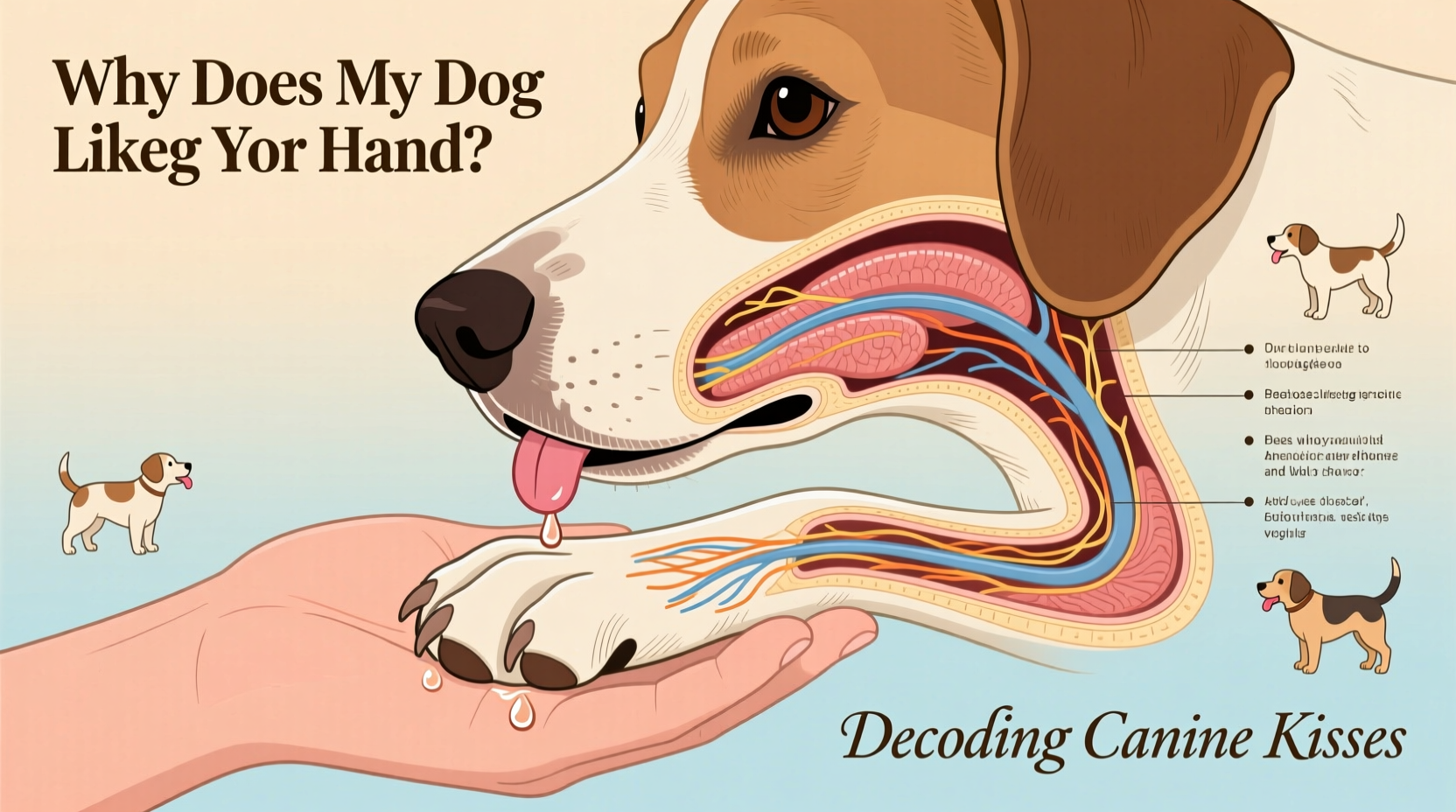
In the wild, canines rely heavily on body language to maintain group harmony. Licking plays a crucial role in pack dynamics. Subordinate wolves or dogs often lick the mouths of dominant members as a gesture of deference, signaling non-aggression and respect. When your dog licks your hand, they may be acknowledging your role as the leader—a peaceful way of saying, “I trust you, and I’m not a threat.”
This behavior extends beyond hierarchy. Dogs also use licking to solicit attention or food. A puppy might lick its mother’s lips to prompt regurgitation, a survival mechanism that evolves into a learned tactic for getting treats or affection from humans. Over time, dogs associate licking with positive outcomes—petting, praise, or snacks—and repeat the behavior to achieve desired results.
Tip: If your dog licks excessively for attention, reward calm behavior instead to avoid reinforcing obsessive licking.Affection and Bonding
One of the most heartwarming explanations for hand-licking is love. Just as humans hug or hold hands, dogs express attachment through physical contact. Your scent, warmth, and familiar touch make your hands particularly appealing targets. The act of licking releases endorphins in your dog’s brain, creating a calming, pleasurable sensation similar to how people feel when hugging someone they care about.
Studies have shown that oxytocin—the “bonding hormone”—increases in both dogs and humans during mutual gaze and physical contact, including licking. This biochemical feedback loop strengthens emotional connections, making licking not just a habit, but a physiological reinforcement of trust and companionship.
“Dogs don’t just lick because they’re trained to—it’s a deeply ingrained social behavior that fosters connection. When your dog licks you, they’re often saying, ‘You’re part of my pack.’” — Dr. Karen Becker, Integrative Veterinarian and Canine Behavior Specialist
Health and Medical Considerations
While occasional licking is normal, sudden changes in frequency or intensity may indicate underlying issues. Excessive licking can be a symptom of anxiety, allergies, dental pain, or gastrointestinal discomfort. Dogs may also lick salty sweat from human skin, especially after exercise, which can become compulsive if not monitored.
Some medical conditions cause dogs to lick obsessively, such as:
- Anxiety or stress: Separation anxiety or environmental changes can trigger repetitive licking.
- Nausea: Dogs often lick surfaces or objects when feeling nauseous.
- Skin or oral infections: Pain or irritation may lead to increased salivation and licking.
- Cognitive dysfunction: Older dogs may develop compulsive behaviors due to cognitive decline.
If your dog begins licking hands (or other surfaces) more than usual, consult a veterinarian to rule out medical causes before assuming it’s purely behavioral.
Decoding the Context: When Licking Speaks Volumes
Understanding *when* your dog licks is just as important as knowing *why*. Observe the situation closely:
| Situation | Possible Meaning |
|---|---|
| After you return home | Greeting and excitement; reaffirming bond |
| When you're eating | Anticipation of food; learned begging behavior |
| During tense moments | Stress-relief or appeasement gesture |
| At night or when resting | Comfort-seeking or self-soothing |
| Excessive, constant licking | Potential medical or compulsive issue |
Context transforms the meaning of a single action. A quick lick upon greeting differs significantly from prolonged, repetitive licking that occurs in isolation.
Mini Case Study: Max, the Anxious Rescue Dog
Max, a three-year-old mixed breed, was adopted from a shelter after being found wandering alone. His new owner noticed he constantly licked her hands—sometimes gently, sometimes insistently—especially when she used her phone or stopped petting him. Initially seen as sweet, the behavior became concerning when Max began licking walls and floors when left alone.
After a veterinary checkup ruled out medical causes, a canine behaviorist diagnosed mild separation anxiety. Max had learned that licking brought immediate attention, reinforcing the habit. Through structured training—rewarding calm behavior, introducing puzzle toys, and gradually increasing alone time—Max’s licking decreased significantly within six weeks. The key was addressing both the emotional need and the learned reinforcement cycle.
Action Plan: Managing and Responding to Licking
If your dog’s licking is healthy and moderate, embrace it as a natural expression of love. But if it becomes overwhelming or compulsive, follow this step-by-step guide:
- Observe patterns: Note when, where, and how often licking occurs.
- Rule out medical issues: Schedule a vet visit to check for pain, nausea, or neurological concerns.
- Avoid reinforcing unwanted behavior: Don’t push your dog away or scold, but don’t reward excessive licking with attention either.
- Redirect gently: Offer a chew toy or initiate a command like “sit” to shift focus.
- Enrich the environment: Provide mental stimulation with puzzles, walks, and training games to reduce boredom-related licking.
- Consult a professional: For persistent or obsessive licking, seek help from a certified animal behaviorist.
Checklist: Is Your Dog’s Licking Normal?
- ☑ Occurs occasionally, especially during greetings or bonding moments
- ☑ Stops when redirected or distracted
- ☑ No signs of skin irritation, vomiting, or lethargy
- ☑ Doesn’t interfere with daily activities or sleep
- ☑ Not focused on walls, floors, or air (signs of compulsive disorder)
If all boxes are checked, your dog’s licking is likely a healthy expression of affection. If several are unchecked, further evaluation is recommended.
Frequently Asked Questions
Is it safe to let my dog lick my hands?
Generally, yes. A dog’s saliva contains enzymes that can inhibit some bacteria, but avoid letting them lick open wounds or your face, especially if you have a compromised immune system. Always wash your hands afterward if hygiene is a concern.
Why does my dog only lick one person in the household?
Dogs often form stronger bonds with specific individuals based on who feeds, walks, or comforts them most. Scent, voice, and routine interactions influence preference. It doesn’t mean they love others less—just that their attachment is more reinforced with one person.
Can licking be a sign of dominance?
No—licking is typically a submissive or affiliative gesture, not dominant. A dog asserting dominance would show stiff posture, prolonged staring, or resource guarding, not licking.
Conclusion: Listening Beyond the Lick
Your dog’s licks are more than just wet nose boops—they’re messages encoded in instinct, emotion, and experience. Whether it’s a quiet “I love you,” a plea for attention, or a subtle cry for help, each lick carries meaning. By paying attention to context, frequency, and accompanying behaviors, you become fluent in your dog’s silent language.
Responsible pet ownership means not just accepting behaviors at face value, but understanding their roots. Celebrate the affection, address the anxieties, and nurture the bond with informed care. Your dog is speaking—now you know how to listen.
💬 What does your dog’s licking say about your relationship? Share your story in the comments and help fellow dog lovers decode their own canine kisses.








