
Dog owners often notice their pets engaging in seemingly harmless habits—chewing toys, scratching behind the ears, or licking a paw after a walk. But when paw licking becomes constant, intense, or focused on one specific foot, it crosses into obsessive territory. Excessive paw licking isn’t just quirky behavior; it’s usually a sign that something is off. Whether it’s physical discomfort, environmental irritation, or emotional stress, your dog is trying to communicate a problem. Understanding why this happens—and how to respond—is essential for your pet’s long-term health and comfort.
Common Reasons Behind Obsessive Paw Licking
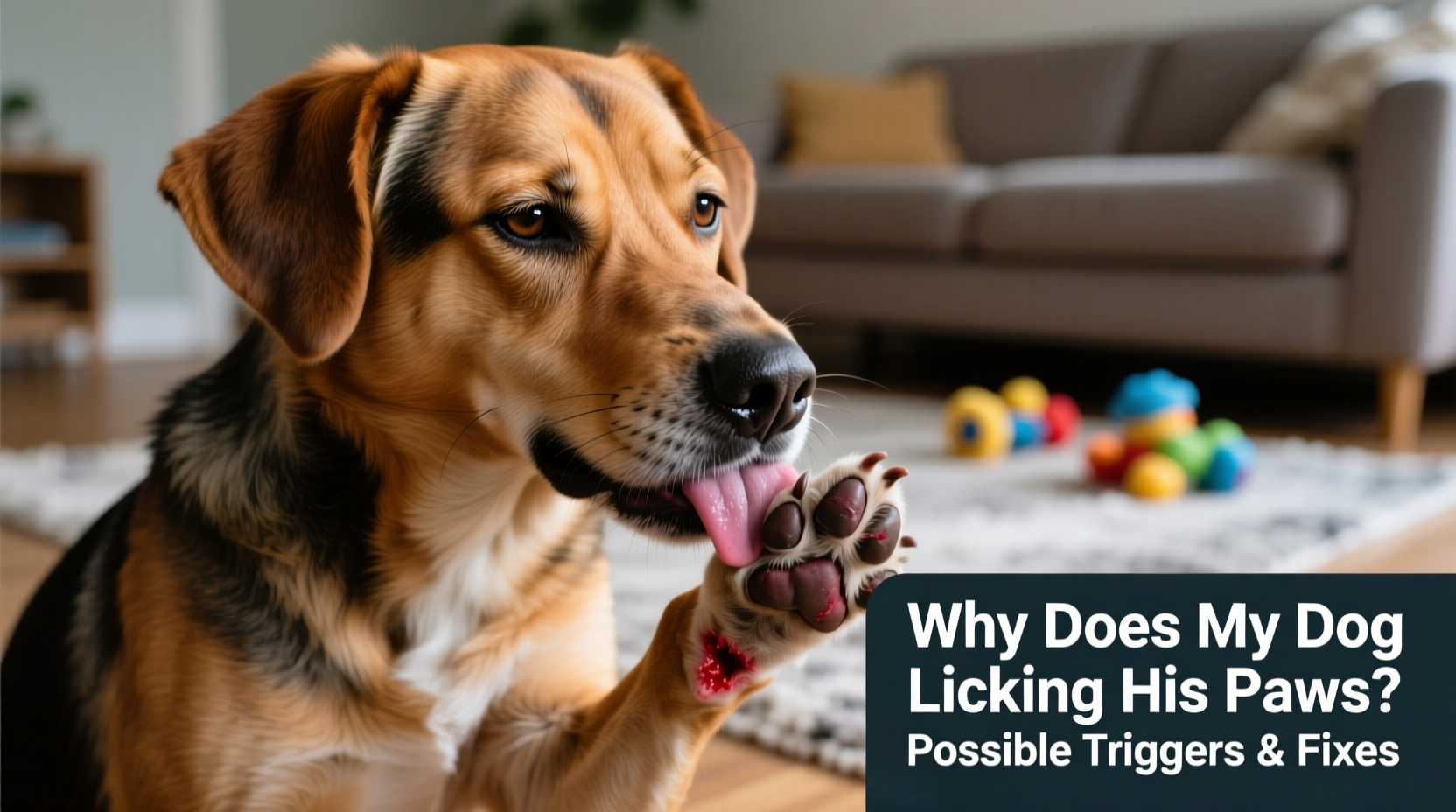
Dogs don’t lick their paws without reason. While occasional grooming is normal, persistent licking points to an underlying trigger. The most frequent causes fall into three broad categories: medical, environmental, and behavioral.
- Allergies: Food, pollen, dust mites, or mold can cause allergic reactions that lead to itchy skin, especially between the toes.
- Skin infections: Yeast or bacterial overgrowth in the paw folds creates irritation and odor, prompting licking.
- Injuries: Cuts, splinters, cracked pads, or torn nails are painful and attract repeated attention.
- Anxiety or boredom: Dogs may develop compulsive behaviors when stressed, under-stimulated, or left alone too long.
- Fleas or parasites: Even a single flea bite can trigger an allergic response and intense itching.
- Joint pain or arthritis: Older dogs may lick a paw near a sore joint as a self-soothing mechanism.
Because these issues overlap in symptoms, identifying the root cause requires careful observation and often veterinary insight.
Tip: Check your dog’s paws daily—especially after walks. Look for redness, swelling, debris between toes, or signs of cracking.Medical Causes and When to See a Vet
When paw licking leads to raw, inflamed skin or hair loss, medical intervention is likely needed. Allergies top the list of clinical triggers. A 2022 study published in the Journal of Veterinary Dermatology found that up to 75% of dogs with environmental allergies exhibit paw licking as a primary symptom.
Veterinarians often classify allergies into two types:
- Food allergies: Common culprits include beef, dairy, chicken, wheat, and soy. These typically emerge early in life and persist year-round.
- Environmental (atopic) allergies: Pollen, grass, mold spores, and dust mites cause seasonal flare-ups, though indoor allergens can make symptoms chronic.
A vet may recommend an elimination diet lasting 8–12 weeks to rule out food sensitivities. For environmental allergies, intradermal skin testing or blood panels help identify specific allergens.
Secondary infections are another major concern. Moisture trapped between toes—common in dogs with hairy feet or those who walk on wet grass—creates a breeding ground for yeast (Malassezia) and bacteria (Staphylococcus). These infections intensify itching, leading to a vicious cycle of lick-infect-lick.
“Chronic paw licking is rarely just a habit. It’s a cry for relief. Addressing the inflammation early prevents permanent tissue damage.” — Dr. Lena Torres, DVM, Board-Certified Veterinary Dermatologist
Signs Your Dog Needs Medical Attention
| Symptom | Possible Cause | Action Step |
|---|---|---|
| Red, swollen paws with odor | Yeast infection | Vet-prescribed antifungal treatment |
| Brown staining between toes | Chronic licking + saliva pigmentation | Identify and treat root cause |
| Limping or favoring one paw | Injury or arthritis | X-rays and orthopedic exam |
| Hair loss, sores, or scabs | Allergy or bacterial infection | Topical or oral medication |
| Licking only during certain seasons | Environmental allergies | Allergy testing and management plan |
Behavioral Triggers: Anxiety, Boredom, and Compulsion
Not all excessive licking stems from physical discomfort. Behavioral causes are more common than many owners realize. Dogs are intelligent, emotionally sensitive animals. When they lack mental stimulation or feel anxious, they may resort to repetitive actions like paw licking to self-soothe.
Common behavioral scenarios include:
- Separation anxiety: Dogs left alone for long periods may lick paws as a displacement behavior.
- Understimulation: Without enough exercise or interactive play, dogs invent routines to pass the time.
- Compulsive disorders: In some cases, licking becomes a true compulsion—similar to OCD in humans—requiring behavioral therapy.
A key clue is timing. If your dog licks mostly when you're gone, during storms, or at night, anxiety could be the driver. Another indicator is symmetry: behavioral licking often affects multiple paws equally, while medical issues usually target one area.
Mini Case Study: Max, the Licking Labrador
Max, a 4-year-old yellow Labrador, began obsessively licking his front right paw every evening. His owner initially assumed a thorn or insect bite. After a vet visit ruled out injury and infection, the focus shifted to behavior. The owner installed a camera and discovered Max started licking within minutes of being left alone. With no separation issues previously noted, the change coincided with a new work-from-home schedule—the family had recently returned to office jobs.
A veterinary behaviorist diagnosed mild separation anxiety. A combination of increased morning exercise, puzzle feeders, and gradual desensitization to departures reduced Max’s licking by 90% in six weeks. No medication was needed.
Tip: Record a short video of your dog when you're not home. It can reveal patterns invisible during the day.Practical Fixes and Home Care Strategies
Once you’ve identified—or begun ruling out—potential causes, practical interventions can bring relief. Start conservatively and escalate only if symptoms persist.
Step-by-Step Guide to Reducing Paw Licking
- Inspect the paws daily: Use a soft cloth to wipe between toes. Look for foreign objects, swelling, or discharge.
- Clean with a hypoallergenic wipe: Use pet-safe wipes or a diluted vinegar solution (1 part vinegar to 4 parts water) to remove allergens after walks.
- Trim hair between pads: Long fur traps moisture and debris. Keep it clipped short, especially in breeds like Poodles or Shih Tzus.
- Introduce an Elizabethan collar temporarily: Prevent access to paws overnight to break the itch-scratch cycle and allow healing.
- Switch to a limited-ingredient diet: Try a novel protein (like duck or venison) for 8 weeks to test for food allergies.
- Increase mental and physical exercise: Aim for at least 30–60 minutes of active engagement daily, including training or scent games.
- Use calming aids if anxiety is suspected: Consider pheromone diffusers (Adaptil), anxiety wraps, or background noise apps.
If no improvement occurs after 2–3 weeks of consistent effort, consult your veterinarian. They may recommend allergy testing, antibiotics, antifungals, or anti-anxiety medications.
Do’s and Don’ts of Managing Paw Licking
| Do | Don't |
|---|---|
| Check paws after outdoor activity | Ignore persistent redness or odor |
| Use vet-approved paw balms | Apply human lotions or creams |
| Provide chew toys and puzzles | Punish licking—it increases stress |
| Keep nails trimmed | Allow walking on salted winter roads without rinsing |
| Document changes in behavior | Assume it’s “just a habit” without investigation |
Frequently Asked Questions
Is it safe for my dog to lick his paws occasionally?
Yes. Dogs groom themselves like cats, and brief paw licking after walks is normal. The concern arises when it becomes constant, forceful, or leads to visible damage like redness, hair loss, or sores.
Can I use coconut oil on my dog’s paws?
In moderation, yes. Coconut oil has mild antimicrobial properties and can soothe dry, cracked pads. However, it won’t treat infections or allergies. Apply sparingly and prevent your dog from immediately licking it off—otherwise, it offers no benefit and may contribute to digestive upset if ingested in large amounts.
How long does it take to stop obsessive paw licking?
It varies. If the cause is a minor irritant or temporary stressor, improvement can occur within days. Allergy management or behavioral modification may take weeks to months. Consistency is key—relapses are common without sustained care.
Conclusion: Listen to What Your Dog Is Telling You
Obsessive paw licking is more than a nuisance—it’s a signal. Your dog isn’t being stubborn or annoying; they’re responding to discomfort, fear, or illness. Dismissing the behavior risks worsening skin damage, chronic pain, or emotional distress. By approaching the issue with patience, observation, and professional guidance when needed, you can restore your dog’s comfort and prevent long-term complications.
The best outcomes come from combining medical insight with compassionate care. Start today: examine those paws, adjust the environment, enrich your dog’s routine, and don’t hesitate to reach out to your vet. Every lick tells a story—make sure you’re listening.
💬 Have you dealt with obsessive paw licking in your dog? Share your experience or questions below—your story might help another pet owner find relief.








