
Dogs often groom themselves by licking their paws, but when this behavior becomes constant, rhythmic, and difficult to interrupt, it may signal an underlying issue. Obsessive paw licking isn't just a quirky habit—it can lead to inflammation, infections, hair loss, and even open sores if left unchecked. As a pet owner, recognizing the root cause is essential for both your dog’s comfort and long-term well-being. This article explores the most common reasons behind excessive paw licking and provides practical, science-backed solutions to help you address and resolve the problem.
Common Causes of Excessive Paw Licking
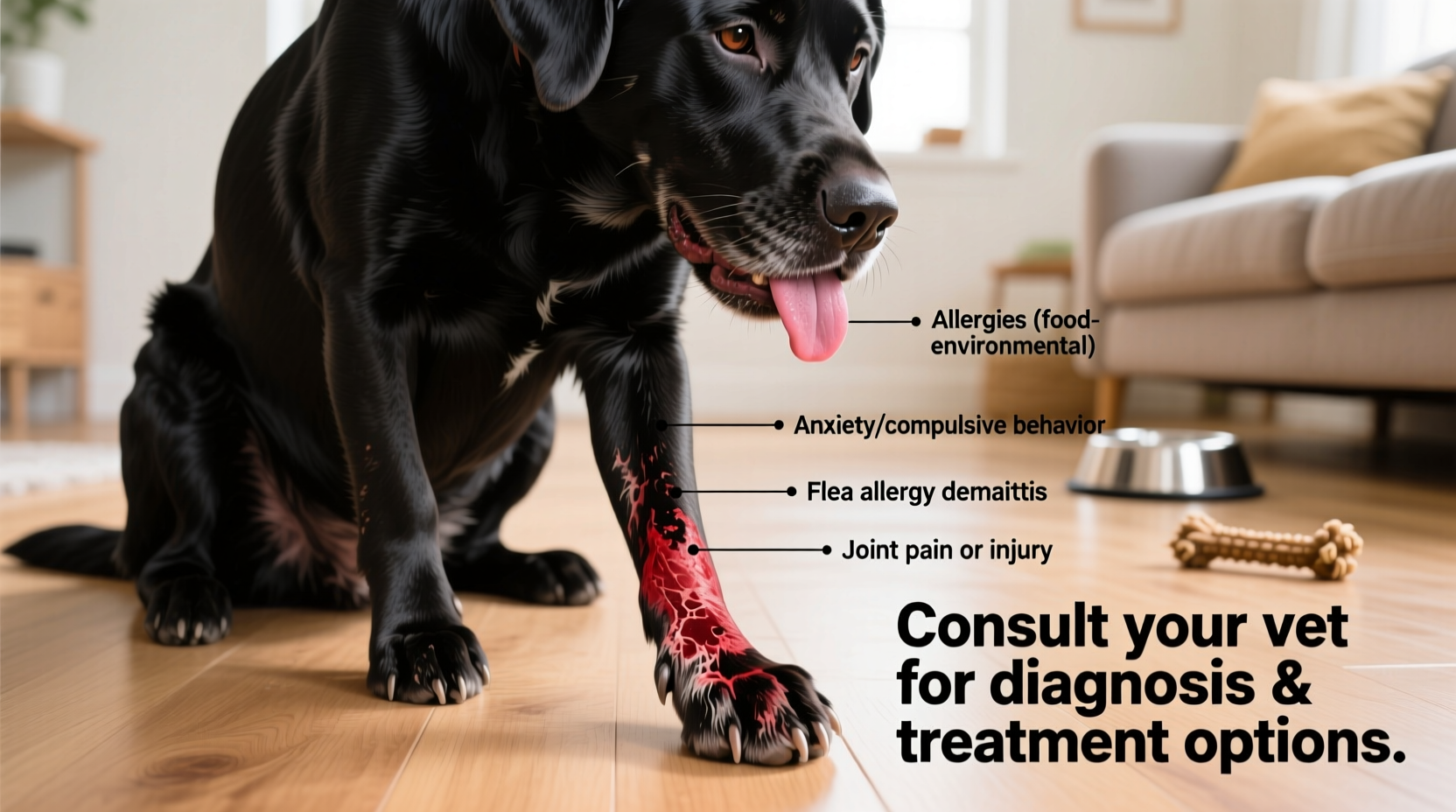
Obsessive paw licking in dogs rarely stems from a single cause. Instead, it's often the result of a combination of medical, environmental, and behavioral factors. Identifying which category applies to your dog is the first step toward effective treatment.
Allergies: The Leading Culprit
Allergies are the most frequent cause of chronic paw licking in dogs. Whether environmental (like pollen, dust mites, or mold) or food-related (such as beef, chicken, dairy, or grains), allergens trigger inflammatory responses that manifest in the skin—particularly the paws, which come into direct contact with allergens on the ground.
Dogs with allergies may experience:
- Itchy, red, or swollen paws
- Brown staining between toes (from saliva)
- Recurrent ear infections
- Skin rashes or hot spots
“Over 70% of dogs with environmental allergies show symptoms in their paws first. Chronic licking is often the earliest warning sign.” — Dr. Lisa Marlowe, Veterinary DermatologistTip: Wipe your dog’s paws with a damp cloth after walks to remove pollen, chemicals, and irritants.
Yeast and Bacterial Infections
Persistent moisture between the toes—especially in dogs with thick fur or those who swim frequently—creates a breeding ground for yeast (Malassezia) and bacteria (Staphylococcus). These infections intensify itching, prompting more licking, which in turn worsens the infection. It’s a self-perpetuating cycle.
Signs of infection include:
- Foul odor from the paws
- Thickened or discolored skin
- Cracked or bleeding pads
- Reluctance to walk or bear weight
Parasites and Foreign Objects
Fleas, mites (especially Demodex and Sarcoptes), and ticks can cause localized irritation that leads to obsessive licking. Even a tiny splinter, grass seed, or piece of glass lodged between the toes can provoke intense chewing and licking.
Inspect your dog’s paws regularly for:
- Redness or swelling around one specific toe
- Limping or favoring a paw
- Visible debris or wounds
Anxiety and Behavioral Triggers
Just like humans bite their nails when stressed, dogs may develop compulsive behaviors such as paw licking when anxious. Common triggers include separation anxiety, changes in routine, loud noises (fireworks, thunderstorms), or lack of mental stimulation.
Behavioral licking tends to be:
- Rhythmic and repetitive
- More frequent when alone
- Unrelated to physical discomfort at onset
- Accompanied by other signs of stress (pacing, panting, whining)
Joint Pain and Physical Discomfort
Older dogs or those with arthritis may lick a specific paw due to referred pain. The brain sometimes misinterprets joint discomfort as an itch or irritation in the foot. This is especially common in dogs with hip or elbow dysplasia.
If your dog is older or has mobility issues, consider whether pain—not itch—is driving the behavior.
How to Diagnose the Underlying Cause
Before attempting treatment, it’s crucial to determine the root issue. Jumping straight to home remedies without diagnosis can delay healing and allow conditions to worsen.
Veterinary Evaluation
A full veterinary workup should include:
- Physical examination: Checking for cuts, foreign bodies, swelling, or signs of infection.
- Skin cytology: Microscopic analysis of skin cells to detect yeast or bacteria.
- Allergy testing: Blood or intradermal tests to identify environmental or food allergens.
- Fecal or skin scraping: To rule out parasitic infestations.
- X-rays or joint assessment: If lameness or age-related pain is suspected.
Food Trial for Allergies
If food allergy is suspected, your vet may recommend an elimination diet lasting 8–12 weeks. During this time, your dog eats only a novel protein (like venison or kangaroo) and a single carbohydrate source (like sweet potato), with no treats or flavored medications.
Success is measured by symptom reduction. If paw licking improves, gradual reintroduction of ingredients helps pinpoint the allergen.
Step-by-Step Guide to Stop Obsessive Paw Licking
Resolving obsessive paw licking requires a multi-pronged approach. Follow this timeline to ensure consistent progress:
- Week 1: Observe and Document
- Note when and where licking occurs (e.g., after walks, during storms).
- Take photos of affected paws weekly to track changes.
- Record diet, environment, and activity levels.
- Week 2: Schedule a Vet Visit
- Bring your observation notes.
- Request skin tests and parasite screening.
- Discuss possible allergy or behavioral causes.
- Weeks 3–4: Begin Targeted Treatment
- If infection is present, use prescribed antifungal or antibiotic ointments.
- Start paw wipes or rinses after outdoor exposure.
- Introduce an Elizabethan collar (cone) temporarily to prevent further damage.
- Weeks 5–8: Implement Long-Term Strategies
- Begin hypoallergenic diet if food allergy confirmed.
- Use vet-recommended supplements (e.g., omega-3 fatty acids).
- Introduce behavioral enrichment (puzzle toys, training games).
- Week 9+: Monitor and Adjust
- Reassess with your vet if improvement stalls.
- Consider allergy immunotherapy or anti-anxiety medication if needed.
- Maintain hygiene and preventive care routines.
Effective Home Care and Prevention Tips
While professional diagnosis is essential, daily habits can significantly reduce paw licking and support recovery.
Tip: Use breathable booties during walks on chemically treated lawns or snowy roads to protect paws from irritants.Paw Cleaning Routine
Create a simple post-walk ritual:
- Dampen a soft cloth with lukewarm water or a pet-safe paw wash.
- Gently wipe between all toes and around paw pads.
- Dry thoroughly—moisture encourages yeast growth.
- Inspect for cuts, thorns, or swelling.
Nutritional Support
Diet plays a major role in skin health. Consider adding:
- Omega-3 fatty acids: Reduce inflammation and improve coat quality.
- Probiotics: Support gut health, which is linked to immune function and allergy response.
- Zinc and vitamin E: Promote skin repair and barrier integrity.
Environmental Modifications
Reduce exposure to known allergens:
- Wash bedding weekly in fragrance-free detergent.
- Use air purifiers to reduce indoor pollen and dust.
- Avoid walking during peak pollen times (early morning or late afternoon).
- Switch to natural, non-toxic cleaning products.
Checklist: What to Do When Your Dog Licks His Paws Excessively
Use this actionable checklist to respond quickly and effectively:
- ✅ Inspect paws daily for redness, swelling, or foreign objects.
- ✅ Wipe paws after every walk.
- ✅ Schedule a vet visit within one week of noticing obsessive licking.
- ✅ Record frequency and duration of licking episodes.
- ✅ Eliminate potential dietary allergens under veterinary guidance.
- ✅ Provide mental stimulation (toys, training) to reduce boredom.
- ✅ Use a cone or recovery suit if raw spots develop.
- ✅ Follow prescribed treatments consistently—even if symptoms improve.
Do’s and Don’ts of Managing Paw Licking
| Do | Don’t |
|---|---|
| Use vet-prescribed medicated shampoos or sprays | Apply human creams (like hydrocortisone) without consulting a vet |
| Keep nails trimmed to reduce irritation | Allow continued licking once sores appear |
| Try a limited-ingredient diet under supervision | Switch foods randomly without a plan |
| Provide chew toys to redirect oral fixation | Yell at or punish your dog for licking—it’s not willful disobedience |
| Follow up with your vet if no improvement in 4 weeks | Ignore persistent licking hoping it will “go away” |
Real-Life Example: Max, the Golden Retriever
Max, a 4-year-old Golden Retriever, began licking his front paws obsessively every evening. His owner initially assumed it was seasonal allergies and tried over-the-counter antihistamines with little effect. After two months, Max developed red, raw patches between his toes.
A veterinary dermatologist performed a skin scrape and found a yeast overgrowth. Further allergy testing revealed sensitivity to grass pollen and chicken. Max was placed on a strict novel-protein diet, given antifungal medication, and started on a regimen of paw wipes and omega-3 supplements.
Within six weeks, the licking decreased dramatically. His owner now wipes his paws after every walk and avoids dog parks during high-pollen days. Max’s case highlights the importance of accurate diagnosis and comprehensive management.
Frequently Asked Questions
Is it normal for dogs to lick their paws?
Yes, occasional paw licking as part of grooming is normal. However, prolonged, focused, or daily licking—especially if it causes redness or hair loss—is not and should be evaluated.
Can anxiety really cause paw licking?
Absolutely. Dogs with separation anxiety, noise phobias, or insufficient mental stimulation may develop compulsive licking as a displacement behavior. In these cases, addressing the emotional root is as important as treating physical symptoms.
Should I use a cone if my dog won’t stop licking?
A cone (or soft alternative) can be helpful short-term to prevent further damage while you diagnose and treat the cause. However, it doesn’t solve the underlying issue and should be combined with medical or behavioral intervention.
Conclusion: Take Action for Your Dog’s Comfort and Health
Obsessive paw licking is more than a nuisance—it’s a signal from your dog that something is wrong. Whether it’s an allergy, infection, pain, or emotional distress, ignoring the behavior risks worsening discomfort and secondary complications. With careful observation, timely veterinary care, and consistent home management, most dogs can find relief and return to healthy, itch-free living.
💬 Your dog’s health matters—share your experience or questions below. Have you successfully reduced your dog’s paw licking? What worked for you? Join the conversation and help other pet owners do the same.








