Dogs licking their paws isn’t uncommon—many pet owners see it as a routine grooming habit. But when the licking becomes constant, obsessive, or leads to redness, swelling, or hair loss, it’s time to take a closer look. Persistent paw licking is rarely just a quirk; it’s usually a signal. The two most common culprits are allergies and behavioral issues. While they can sometimes overlap, understanding the distinction is essential for proper treatment. This guide breaks down the signs, causes, and solutions so you can determine whether your dog’s paw licking stems from physical discomfort or emotional distress.
Understanding Normal vs. Abnormal Paw Licking
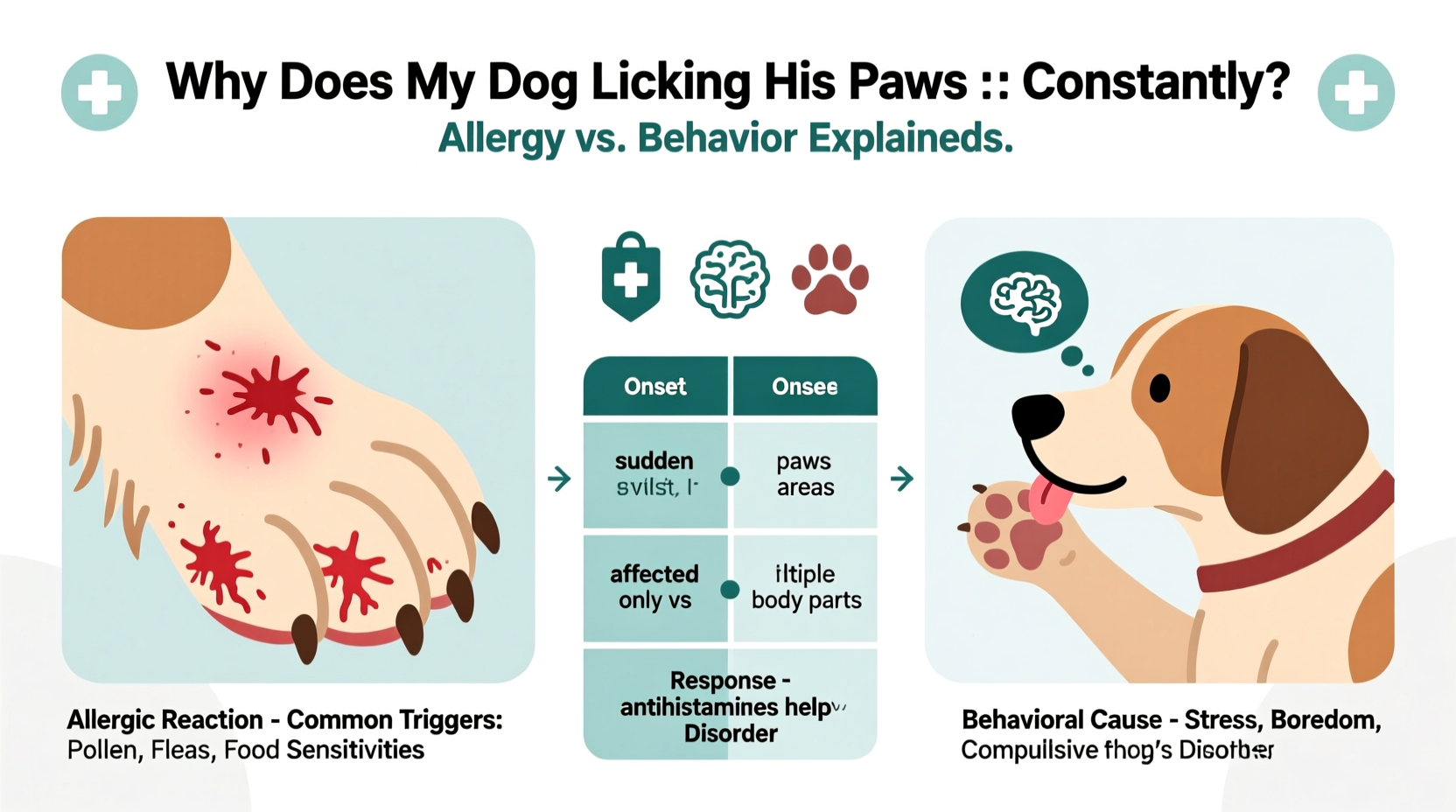
All dogs groom themselves to some extent. A quick pass of the tongue over a paw after a walk or before settling down is perfectly normal. However, abnormal licking is characterized by frequency, duration, and intensity. If your dog spends more than 10–15 minutes at a time focused on one or both paws, especially if this happens multiple times a day, it’s likely more than routine cleaning.
Signs of problematic licking include:
- Red, inflamed skin between the toes or on paw pads
- Bald spots or thinning fur on the top of the paws
- Moist, smelly areas (a sign of secondary yeast or bacterial infection)
- Limping or favoring a particular paw
- Chewing or biting at the paws instead of gentle licking
These symptoms suggest that something is irritating your dog—either physically or mentally. The next step is determining whether the root cause is medical or behavioral.
Allergies: The Physical Trigger Behind Excessive Licking
Allergies are among the leading medical reasons dogs obsessively lick their paws. Unlike humans, who often respond to allergens with respiratory symptoms, dogs typically manifest allergic reactions through their skin—a condition known as atopic dermatitis. The paws are a prime target because they come into direct contact with potential allergens like pollen, dust mites, mold, and grass.
There are three main types of allergies that contribute to paw licking:
- Environmental Allergies (Atopy): Seasonal or year-round exposure to airborne allergens such as tree pollen, ragweed, or household dust. Dogs may lick more during spring and fall when pollen counts are high.
- Food Allergies: Reactions to specific proteins (commonly beef, chicken, dairy, or grains). These tend to cause year-round symptoms rather than seasonal ones.
- Contact Allergies: Irritation from walking on chemically treated lawns, concrete with de-icing salts, or synthetic carpet fibers.
Allergies prompt itching, which leads to licking. Over time, this creates a cycle: the more the dog licks, the more irritated the skin becomes, inviting bacterial or fungal infections that worsen the itch.
Tip: Wipe your dog’s paws with a damp cloth after outdoor walks to remove pollen, dirt, and chemicals.How Veterinarians Diagnose Allergies
Diagnosing the exact allergen requires a process of elimination. Your vet may recommend:
- Skin or blood testing to identify environmental allergens.
- Elimination diet trials lasting 8–12 weeks to rule out food allergies. During this period, your dog eats only a novel protein (like venison or duck) and a single carbohydrate source.
- Cytology tests to check for secondary infections in the skin folds of the paws.
It’s important not to self-diagnose. Over-the-counter antihistamines may provide temporary relief but are ineffective for many dogs. Prescription treatments such as Apoquel, Cytopoint injections, or corticosteroids are often necessary for significant symptom control.
Behavioral Causes: When Stress Drives the Licking
If medical causes are ruled out, the focus shifts to behavior. Just like humans might bite their nails or twirl their hair when anxious, dogs develop compulsive behaviors—including excessive licking—as a coping mechanism.
Common behavioral triggers include:
- Separation anxiety
- Boredom or lack of mental stimulation
- Changes in routine (new pet, moving homes, owner returning to work)
- Past trauma or inadequate early socialization
Behavioral licking often occurs when the dog is alone or during quiet periods. You might notice your dog licking while lying on the couch, especially in the evening or when left unattended. Unlike allergy-related licking, there may be less visible inflammation—at least initially—but over time, the constant moisture can still lead to infections.
“Compulsive licking in dogs is often a displaced behavior—an attempt to self-soothe when stressed. It starts as occasional but can become hardwired without intervention.” — Dr. Karen Becker, Integrative Veterinary Medicine Specialist
Differentiating Behavioral Licking from Allergies
Telling the difference isn’t always straightforward, but certain clues can help:
| Factor | Allergy-Related Licking | Behavioral Licking |
|---|---|---|
| Timing | Worse after walks, during high pollen seasons | Occurs when bored, anxious, or left alone |
| Paw Appearance | Red, moist, possibly infected; affects multiple paws | May start clean; localized to one paw or area |
| Response to Medication | Improves with antihistamines, steroids, or allergy shots | No change with meds; improves with enrichment or anti-anxiety treatment |
| Licking Pattern | Frequent, intense, often during or after activity | Rhythmic, trance-like, may pause when distracted |
Some dogs suffer from both allergies and anxiety, making diagnosis even more complex. In these cases, treating only one aspect may yield limited results.
Step-by-Step Guide to Addressing Constant Paw Licking
Resolving chronic paw licking requires a structured approach. Follow these steps to identify and manage the underlying cause:
- Visit Your Veterinarian
Start with a full physical exam. Rule out infections, parasites, injuries, or arthritis that could be causing pain. - Conduct Diagnostic Testing
Request skin cytology, allergy testing, or a food trial based on your vet’s assessment. - Implement Environmental Controls
Use hypoallergenic bedding, wash paws after walks, vacuum frequently, and consider air purifiers to reduce indoor allergens. - Evaluate Behavior and Routine
Keep a log of when the licking occurs. Note any patterns related to being alone, loud noises, or changes in schedule. - Increase Mental and Physical Stimulation
Add daily puzzle toys, training sessions, or longer walks. A tired dog is less likely to engage in compulsive behaviors. - Consult a Veterinary Behaviorist if Needed
For persistent behavioral licking, professional guidance may include pheromone diffusers, calming supplements, or prescription anti-anxiety medications like fluoxetine.
Mini Case Study: Max, the Golden Retriever
Max, a 4-year-old Golden Retriever, began excessively licking his front paws every evening. His owner first assumed it was due to allergies and tried over-the-counter antihistamines with no improvement. A vet visit revealed mild yeast overgrowth, which was treated with medicated wipes. The licking stopped temporarily but returned within two weeks.
Further investigation included a video diary. The owner noticed Max only licked when she was working from home and ignoring him. He would stare at her, whine softly, then begin licking. When she engaged him with a toy or command, he stopped immediately.
The diagnosis shifted to attention-seeking behavior amplified by mild boredom. A plan was implemented: structured playtime before work, interactive feeders during the day, and scheduled training intervals. Within three weeks, the licking decreased by 80%. No further medication was needed.
This case highlights how symptoms can mimic allergies but stem from unmet behavioral needs.
Action Checklist: What to Do If Your Dog Licks Their Paws Constantly
Use this checklist to systematically address the issue:
- ✅ Schedule a vet appointment to rule out medical conditions
- ✅ Take photos or videos of the paws to track changes
- ✅ Wipe paws with a damp cloth after every outdoor session
- ✅ Start a food elimination diet if food allergy is suspected
- ✅ Record when and where licking occurs (use a journal or notes app)
- ✅ Increase daily exercise and mental challenges (sniffing games, obedience drills)
- ✅ Try an Elizabethan collar temporarily to break the licking cycle and allow healing
- ✅ Consult a veterinary behaviorist if no improvement after 4–6 weeks
Frequently Asked Questions
Can I treat my dog’s paw licking at home?
You can support treatment at home by wiping paws daily, using hypoallergenic shampoos, and enriching your dog’s environment. However, true resolution requires identifying the root cause, which often needs veterinary input. Home remedies alone rarely cure chronic licking.
Is paw licking ever harmless?
Occasional licking is normal. But constant, focused licking—especially if it disrupts sleep, causes skin changes, or persists for weeks—is not harmless. It indicates discomfort or distress that should be addressed.
Will neutering or spaying stop paw licking?
No, there’s no direct link between reproductive status and paw licking. The behavior is driven by allergies, pain, or psychological factors, not hormones related to mating.
Conclusion: Take Action for Your Dog���s Comfort and Health
Constant paw licking is more than a nuisance—it’s a form of communication. Whether your dog is reacting to an invisible allergen in the air or expressing anxiety in a quiet home, the behavior deserves your attention. Jumping to conclusions can delay effective treatment. A methodical approach that considers both physical and emotional health gives your dog the best chance at relief.
Start with a vet visit, document the behavior, and remain patient throughout the diagnostic process. Many dogs improve significantly once the real cause is identified. With the right care, your dog can stop licking, heal completely, and return to a happy, balanced life.
💬 Have experience with a dog who licked their paws constantly? Share your story or tips in the comments—your insight could help another pet owner find answers faster.








