Dog owners often notice their pets engaging in repetitive paw licking. While occasional grooming is normal, persistent or obsessive licking can signal underlying health or behavioral issues. Understanding the reasons behind this behavior is essential to addressing it effectively. From allergies and pain to boredom and anxiety, multiple factors can drive a dog to focus on its paws. This guide explores the most common causes, provides practical solutions, and helps you determine when it’s time to consult a veterinarian.
Common Medical Causes of Paw Licking
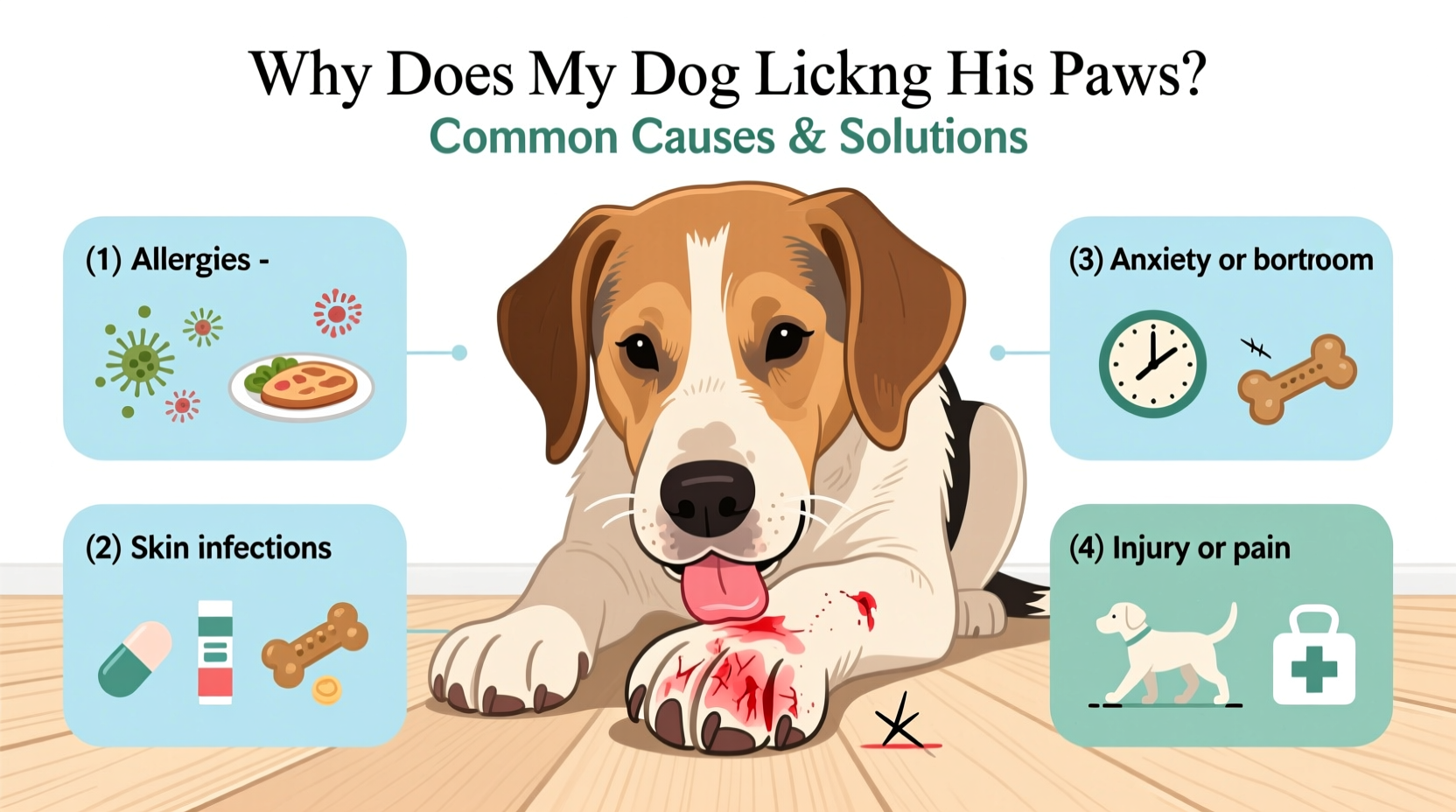
Excessive paw licking is frequently linked to medical conditions. Identifying these early can prevent secondary infections and long-term discomfort.
- Allergies: Environmental allergens (pollen, dust mites) or food sensitivities can cause itchy skin, especially between the toes. Dogs respond by licking to soothe irritation.
- Skin Infections: Bacterial or yeast overgrowth often develops in moist areas between paw pads. Signs include redness, odor, and swelling.
- Injuries: Cuts, thorns, splinters, cracked paw pads, or burns from hot pavement can prompt licking as a self-soothing response.
- Arthritis or Joint Pain: Older dogs may lick paws due to referred pain from hip or knee issues, even if the source isn’t the paw itself.
- Fleas and Parasites: Flea bites, mites (like demodex or sarcoptic mange), or ticks can trigger localized itching and inflammation.
Behavioral and Psychological Triggers
Not all paw licking stems from physical ailments. Behavioral causes are just as common, particularly in intelligent or high-energy breeds.
Dogs may develop compulsive licking habits when under stress, bored, or anxious. Common triggers include:
- Separation anxiety when left alone
- Lack of mental stimulation or exercise
- Changes in routine (new home, baby, pet)
- Reinforcement—if licking earns attention, even negative, the behavior may persist
In some cases, chronic licking evolves into an obsessive-compulsive disorder (OCD), where the dog continues despite no physical cause. Breeds like Doberman Pinschers, Bull Terriers, and German Shepherds are more prone to such behaviors.
“Chronic paw licking without a clear medical explanation often points to an emotional component. Addressing environment and routine is just as critical as ruling out disease.” — Dr. Laura Bennett, DVM, Veterinary Behavior Specialist
Step-by-Step Guide to Diagnosing and Treating Paw Licking
Resolving paw licking requires a systematic approach. Follow these steps to identify and treat the root cause:
- Inspect the Paws: Look for cuts, embedded objects, redness, swelling, or discharge. Gently press each toe to check for pain.
- Rule Out Allergies: Work with your vet to conduct allergy testing or start an elimination diet if food sensitivity is suspected.
- Visit Your Veterinarian: Schedule a full exam. The vet may take skin scrapings, perform blood tests, or recommend X-rays if joint pain is suspected.
- Treat Any Infection: If bacteria or yeast is present, antifungal or antibiotic treatments (topical or oral) will be prescribed.
- Address Behavioral Factors: Increase daily exercise, introduce puzzle toys, and establish a consistent routine to reduce anxiety.
- Use Protective Measures: Consider soft collars (e.g., onesie shirts or inflatable E-collars) temporarily to prevent further damage while treating the area.
- Monitor Progress: Keep a journal noting frequency, duration, and possible triggers of licking episodes.
Effective Solutions and Preventative Measures
Once the cause is identified, targeted interventions can break the cycle of licking.
| Cause | Solution | Prevention Tips |
|---|---|---|
| Allergies (food/environmental) | Vet-prescribed hypoallergenic diet, antihistamines, immunotherapy | Bathe regularly with gentle shampoo; wipe paws after outdoor walks |
| Yeast or bacterial infection | Topical sprays, medicated shampoos, oral antibiotics | Keep paws dry; avoid prolonged exposure to wet grass or puddles |
| Anxiety or boredom | Increased exercise, training, environmental enrichment | Provide chew toys, rotate activities, use calming aids if needed |
| Joint pain or arthritis | Pain medication, joint supplements, physical therapy | Maintain healthy weight; provide orthopedic bedding |
| Parasites | Flea/tick prevention, medicated dips or oral treatments | Monthly parasite control; regular grooming |
Mini Case Study: Max, the Labrador with Seasonal Licking
Max, a 4-year-old Labrador Retriever, began intensely licking his front paws every spring. His owner initially dismissed it as grooming, but over time, the skin became raw and discolored. A veterinary exam revealed elevated IgE levels indicating environmental allergies. Pollen counts were highest during his peak licking season. After switching to weekly oatmeal baths, using paw wipes post-walks, and starting a prescribed antihistamine regimen, Max’s licking decreased by 80% within six weeks. His case highlights how seasonal patterns can point to allergic causes.
Checklist: What You Can Do Today
Use this actionable checklist to begin addressing your dog’s paw licking:
- ✅ Inspect your dog’s paws for injuries, redness, or foreign objects
- ✅ Wipe paws with a damp cloth after outdoor activity
- ✅ Review recent changes in diet, environment, or routine
- ✅ Assess your dog’s mental state—signs of stress or loneliness?
- ✅ Schedule a vet visit if licking persists beyond a few days
- ✅ Introduce new enrichment toys or increase walk duration
- ✅ Avoid harsh chemical cleaners on floors your dog walks on
Frequently Asked Questions
Is it normal for dogs to lick their paws?
Yes, light grooming is normal. Dogs clean themselves much like cats. However, constant, focused licking—especially to the point of causing redness or hair loss—is not normal and warrants investigation.
Can diet affect my dog’s paw licking?
Absolutely. Food allergies to ingredients like beef, chicken, dairy, or grains can manifest as skin irritation and paw licking. A veterinary-guided elimination diet is the best way to test for food sensitivities.
Should I stop my dog from licking completely?
You shouldn’t punish the behavior, as it may be a symptom of discomfort. Instead, redirect gently and address the underlying cause. Interrupting with a toy or command can help break the habit while treatment takes effect.
Conclusion: Taking Action for Your Dog’s Comfort
Paw licking is more than just a quirky habit—it’s often a cry for help. Whether rooted in physical pain, allergies, or emotional distress, ignoring the behavior can lead to worsening symptoms and reduced quality of life. With careful observation, timely veterinary care, and consistent management, most cases of excessive licking can be resolved. Your dog depends on you to interpret their actions and respond with compassion and knowledge.
💬 Have you successfully reduced your dog’s paw licking? Share your story or questions in the comments—your experience could help another pet owner find relief for their furry friend.








