Dog owners often find themselves covered in wet, slobbery kisses—and while it can be endearing, it’s natural to wonder: Why does my dog keep licking me? This seemingly simple behavior carries a range of meanings, from deep emotional bonds to subtle signs of stress or medical issues. Understanding the motivation behind your dog’s licks allows you to respond appropriately, strengthen your relationship, and ensure their well-being.
Licking is one of the most instinctive and versatile forms of communication in the canine world. From puppyhood onward, dogs use licking to gather information, express emotions, and interact with their environment. When directed at humans, it's rarely just about taste. It's a complex behavior rooted in biology, social structure, and learned habits.
The Emotional Language of Licking
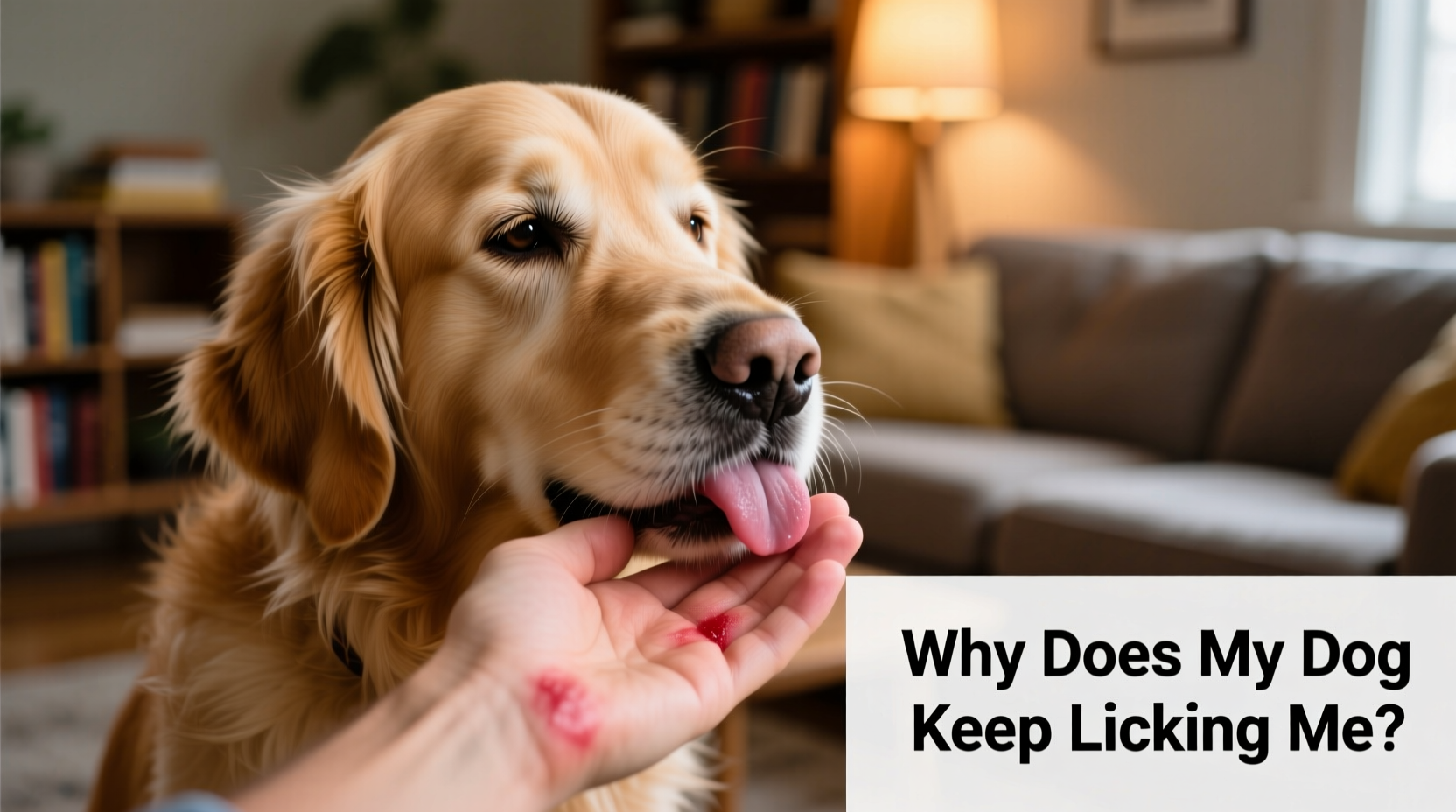
Dogs don’t have words, but they’re fluent in body language. Licking is one of their primary tools for expressing feelings. In many cases, when a dog licks you, it’s a gesture of affection and trust. Just as puppies lick their mother to bond and receive care, adult dogs may lick their human companions as a way of reinforcing social ties.
This type of licking is usually gentle, brief, and occurs during calm moments—like when you're sitting together on the couch or after returning home. The dog may look relaxed, with soft eyes and a loose tail wag. It’s akin to a verbal “I love you” in human terms.
Tip: If your dog licks you when you're relaxed or after reuniting, it’s likely a sign of bonding—not a demand for attention.However, not all licking is positive. Some dogs develop compulsive licking behaviors due to anxiety or insecurity. For example, a dog that licks your hand repeatedly during thunderstorms or when left alone may be self-soothing. In these cases, the behavior serves as a calming mechanism, much like how some people bite their nails or fidget.
Biological and Instinctual Reasons Behind Licking
Beyond emotion, licking is deeply ingrained in canine survival instincts. Dogs have an extraordinary sense of taste and smell, and their tongues are powerful sensory tools. When your dog licks your skin, they’re gathering chemical information—detecting salt, sweat, lotions, or even changes in your hormonal state (such as stress or illness).
In the wild, canines lick pack members to check health status and reinforce hierarchy. A subordinate wolf might lick the muzzle of a dominant one as a sign of deference. Similarly, domestic dogs may lick their owners as a submissive or appeasing gesture, especially if they feel uncertain or want to avoid conflict.
Additionally, puppies are licked by their mothers to stimulate elimination and maintain hygiene. This early experience creates a lifelong association between licking and care. Your dog may view licking you as a nurturing act—even if you don’t need cleaning.
When Licking Signals Health Concerns
While occasional licking is normal, excessive or sudden changes in licking behavior should raise concern. Persistent licking—of you, themselves, or objects—can indicate underlying medical problems.
Common health-related causes include:
- Dental pain or oral discomfort: A dog with gum disease or a toothache may lick more frequently as a response to pain.
- Skin allergies or infections: These can cause generalized itchiness, leading to obsessive licking.
- Gastrointestinal distress: Nausea or acid reflux may prompt a dog to lick surfaces or people excessively.
- Cognitive dysfunction: Older dogs with dementia may develop repetitive behaviors, including compulsive licking.
“Excessive licking, especially if it’s new or worsening, should always prompt a veterinary evaluation. It could be the only outward sign of discomfort.” — Dr. Lena Torres, DVM, Canine Behavior Specialist
Checklist: When to See a Veterinarian
- Your dog suddenly starts licking you or objects more than usual.
- The licking is intense, repetitive, and difficult to interrupt.
- You notice redness, sores, or hair loss on your dog’s paws or body.
- Licking occurs alongside other symptoms like vomiting, lethargy, or changes in appetite.
- Your senior dog begins licking walls, floors, or air without apparent reason.
Behavioral Triggers and Reinforcement
Humans often unintentionally encourage licking by reacting to it. Laughing, petting, or saying “no” still provides attention—which from a dog’s perspective, is rewarding. Over time, this reinforcement can turn a natural behavior into an overused tactic for gaining interaction.
For instance, consider a dog who learns that licking your face gets them picked up and cuddled. Even if you try to push them away, the physical contact reinforces the action. The dog doesn’t distinguish between positive and negative attention; any response strengthens the habit.
Mini Case Study: The Attention-Seeking Labrador
Sophie, a 3-year-old Labrador, began licking her owner’s arms every time she sat down. At first, it was cute—but within weeks, it became constant, even interrupting work calls. Her owner would say, “Stop!” and push her gently, which only made Sophie more persistent. A behaviorist observed that each interaction—positive or corrective—was reinforcing the behavior. By switching to a strategy of ignoring the licking and rewarding calm sitting instead, Sophie reduced her licking by 80% in three weeks.
How to Respond: Practical Steps for Owners
Managing licking behavior starts with understanding its root cause. Once you’ve ruled out medical issues, you can adjust your response based on whether the licking is affectionate, anxious, or attention-driven.
Step-by-Step Guide: Reducing Unwanted Licking
- Observe patterns: Note when, where, and how the licking occurs. Is it after meals? During stressful events? Only when you're on the phone?
- Rule out health issues: Schedule a vet visit to check for dental problems, gastrointestinal upset, or neurological conditions.
- Avoid reinforcing the behavior: Don’t push, scold, or laugh. Instead, stand up and walk away silently when licking starts.
- Redirect to acceptable behaviors: Ask your dog to sit or lie down, then reward compliance with treats or playtime.
- Provide alternatives: Offer chew toys or lick mats filled with peanut butter (xylitol-free) to satisfy the urge in a healthy way.
- Build confidence: Use positive training to reduce anxiety, especially in submissive or nervous dogs.
| Scenario | Likely Cause | Recommended Response |
|---|---|---|
| Licks after greeting you | Affection / excitement | Accept calmly, then redirect to sitting |
| Licks during storms or fireworks | Anxiety / self-soothing | Create a safe space; consider calming aids |
| Licks hands while eating | Food-seeking / begging | Ignore and feed in another room |
| Licks obsessively at night | Pain / cognitive decline | Veterinary consultation required |
| Licks only one family member | Preference / learned attention | Encourage balanced interactions |
Frequently Asked Questions
Is it safe to let my dog lick me?
In general, dog saliva is not highly dangerous to healthy adults, but it can carry bacteria like *Pasteurella* or *Capnocytophaga*, which may cause infections in immunocompromised individuals or through open wounds. Avoid letting your dog lick your face, mouth, or cuts. Practice good hygiene by washing your skin after heavy licking.
Why does my dog only lick me and not others?
This usually reflects a strong emotional bond. Dogs often form primary attachments to one person and express affection more intensely toward them. It could also be because you react more noticeably—laughing, petting, or talking—which reinforces the behavior specifically with you.
Can I train my dog to stop licking completely?
You shouldn’t aim to eliminate all licking, as it’s a natural and healthy form of expression. Instead, focus on reducing excessive or inappropriate licking. Use consistent redirection and reward-based training to teach boundaries while preserving your dog’s ability to communicate.
Conclusion: Listening Beyond the Lick
Your dog’s licks are more than just a messy habit—they’re a window into their mind and heart. Whether it’s a tender show of love, a plea for comfort, or a cry for help, each lick carries meaning. By observing context, responding thoughtfully, and seeking professional guidance when needed, you honor your dog’s needs while maintaining a balanced relationship.
Understanding behavior deepens connection. Instead of simply reacting to the slobber, take a moment to ask: What is my dog trying to tell me? That curiosity and compassion make all the difference.
🚀 Ready to build a deeper bond with your dog? Start today by tracking one week of licking behavior—note the triggers, your responses, and any changes. Share your observations in the comments and join the conversation!








