
Dogs are social animals by nature, and their bond with humans often manifests in behaviors that can seem obsessive or overly clingy. One of the most common—and endearing—behaviors is a dog following its owner from room to room, waiting outside the bathroom door, or trailing closely during walks. While this loyalty is usually a sign of affection and attachment, there are times when such behavior may indicate deeper emotional or medical issues. Understanding the reasons behind this tendency, as well as recognizing warning signs, is essential for responsible pet ownership.
The Emotional Bond Between Dogs and Their Owners
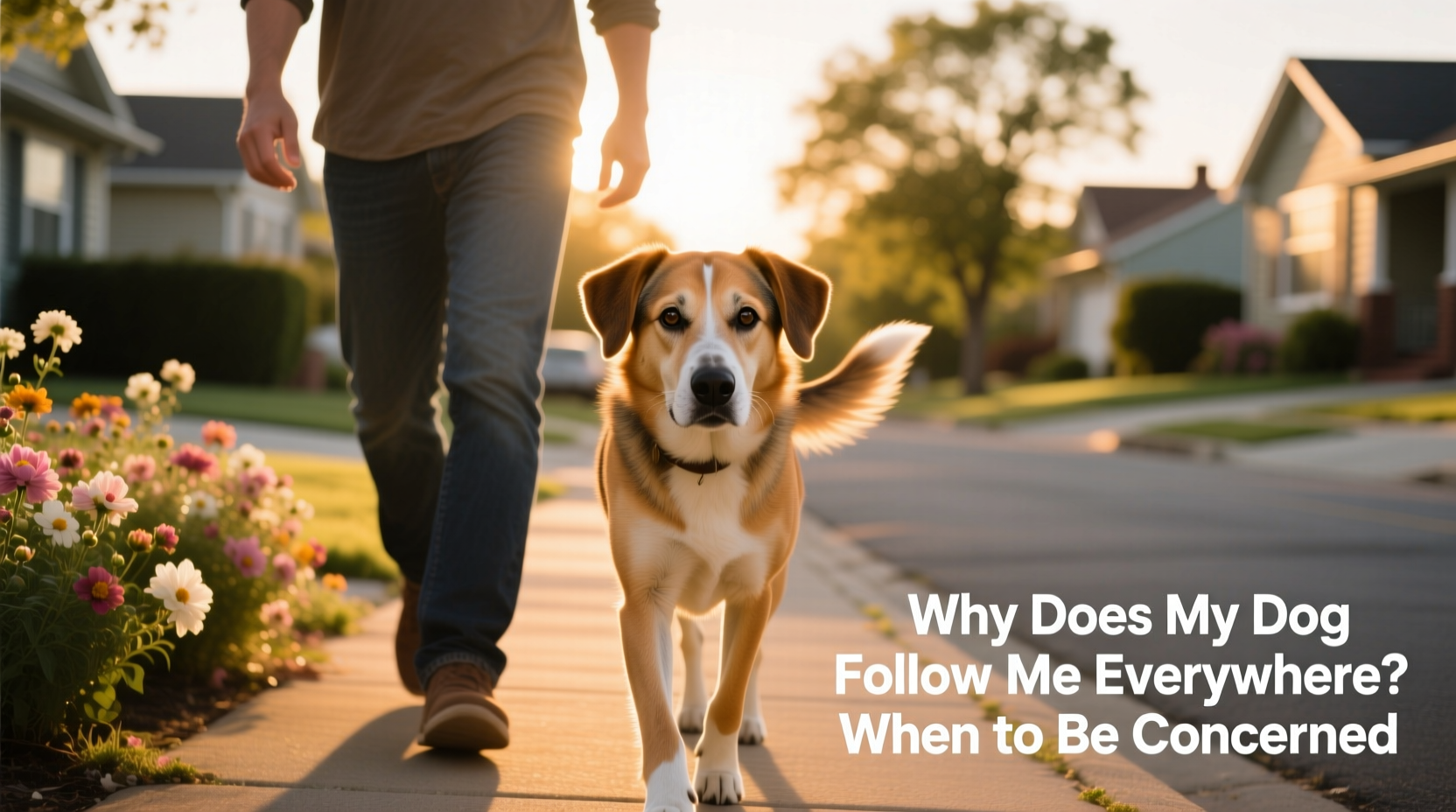
Dogs have evolved over thousands of years to form strong attachments to humans. Unlike their wolf ancestors, domesticated dogs rely on people not only for food and shelter but also for emotional security. This deep-rooted dependency explains why many dogs view their owners as part of their pack. When a dog follows you constantly, it’s often because they see you as their leader and source of comfort.
Studies in canine cognition show that dogs look to their owners for cues about safety and environment. A 2017 study published in *Animal Cognition* found that dogs exhibit increased stress responses when separated from their primary caregiver, even in familiar environments. This dependency reinforces the instinct to stay close, especially in new or uncertain situations.
“Dogs don’t just follow their owners out of habit—they do so because they’ve learned that proximity equals safety.” — Dr. Sarah Bennett, Veterinary Behaviorist
Common Reasons Your Dog Follows You Everywhere
There are several natural explanations for this behavior, most of which fall within the range of normal canine conduct:
- Bonding and Affection: Just as humans seek closeness with loved ones, dogs express love through physical presence. Following you is their way of saying, “I want to be near you.”
- Curiosity: Dogs are naturally inquisitive. If you’re moving around, opening cabinets, or preparing food, your dog likely wants to know what’s happening.
- Anticipation of Rewards: Many dogs learn that staying close increases their chances of receiving treats, pets, or playtime. This reinforcement strengthens the habit.
- Security Needs: Some dogs, particularly those rescued or with past trauma, may follow their owners due to anxiety about being left alone.
- Breed Tendencies: Certain breeds, like German Shepherds, Border Collies, and Shetland Sheepdogs, are genetically predisposed to form intense bonds and work closely with humans.
When Following Behavior Becomes a Concern
While constant companionship is often harmless, it can cross into problematic territory when it interferes with your dog’s ability to relax independently. Signs that following behavior may be rooted in anxiety or distress include:
- Inability to settle when you’re in another room
- Panting, pacing, or whining when briefly separated
- Refusing food or toys unless you're present
- Accidents in the house when left alone
- Destructive chewing or scratching at doors
These symptoms may point to separation anxiety—a condition affecting up to 20% of dogs according to the American Kennel Club. In severe cases, dogs become so distressed at the prospect of being apart that they cannot function normally without their owner nearby.
Differentiating Normal Attachment From Dependency
It’s important to distinguish between healthy attachment and unhealthy dependency. A securely attached dog enjoys your company but can also spend time alone calmly. A dependent dog exhibits signs of panic when you prepare to leave—even if it’s just to go upstairs.
| Behavior | Healthy Attachment | Unhealthy Dependency |
|---|---|---|
| Follows you around | Joins you occasionally, returns to bed when tired | Physically blocks you from moving, shadows every step |
| Alone time tolerance | Relaxes with chew toy or nap | Paces, barks, or destroys objects |
| Reaction to departure cues | Watches you leave, then settles | Whines, drools, or tries to escape |
| Response to visitors | Greet politely, may disengage | Stays glued to owner, ignores others |
Step-by-Step Guide to Managing Excessive Following
If your dog’s attachment is becoming overwhelming or appears anxiety-driven, gradual behavioral training can help restore balance. Here’s a structured approach:
- Establish a Safe Space: Create a designated area (e.g., a crate or dog bed) where your dog feels secure. Stock it with favorite toys and treats.
- Practice Short Separations: Start by stepping into another room for 10 seconds while your dog stays behind. Reward calm behavior with praise or a treat upon return.
- Gradually Increase Distance and Duration: Over days or weeks, extend the time and distance of separations. Use a timer to avoid rushing the process.
- Avoid Reinforcing Clinginess: Do not reward following with attention. Instead, encourage independent play by tossing a treat into their safe zone.
- Use Calming Tools: Consider using pheromone diffusers (like Adaptil), calming music, or white noise to reduce environmental stress.
- Maintain a Predictable Routine: Dogs thrive on consistency. Feeding, walking, and resting at regular times builds confidence and reduces uncertainty.
Medical Causes Behind Clingy Behavior
Sudden changes in behavior, including increased neediness, should prompt a veterinary evaluation. Physical discomfort or illness can cause dogs to seek more attention. Common medical triggers include:
- Vision or hearing loss: Older dogs may follow closely because they feel disoriented.
- Cognitive dysfunction syndrome (CDS): Similar to dementia in humans, CDS affects older dogs and leads to confusion, clinginess, and disrupted sleep patterns.
- Pain or mobility issues: Arthritis or injury may make dogs reluctant to move away from their trusted human.
- Hormonal imbalances: Conditions like hypothyroidism can alter mood and energy levels.
If your senior dog suddenly starts shadowing you all day—especially if accompanied by nighttime restlessness, accidents, or confusion—consult your vet promptly. Early diagnosis improves treatment outcomes significantly.
“Sudden onset of clinginess in an older dog isn’t just ‘getting old’—it could be cognitive decline or pain. These require medical intervention.” — Dr. Lena Patel, Canine Neurologist
Mini Case Study: Max, the Rescue Terrier
Max, a three-year-old Jack Russell Terrier, was adopted after spending six months in a high-kill shelter. His new owner, Maria, noticed he followed her into every room, paced when she used the phone, and cried when she closed the bedroom door. Initially, she found it sweet, but soon it became exhausting.
After consulting a certified dog trainer, Maria learned that Max’s behavior stemmed from early social deprivation and fear of abandonment. The trainer recommended a structured desensitization plan: teaching Max to stay on his mat while Maria moved progressively farther away. Over eight weeks, using treats and consistent cues, Max began to relax when alone. He still enjoys being near Maria, but now chooses to nap in his bed instead of pressing against her legs.
This case illustrates how patience and proper training can transform anxious attachment into confident companionship.
Checklist: Is Your Dog’s Following Behavior Healthy?
Use this checklist to assess whether your dog’s behavior falls within normal limits:
- ✅ My dog can remain calm in another room for at least 15 minutes
- ✅ My dog engages with toys or chews independently
- ✅ My dog greets other family members or guests without clinging to me
- ✅ My dog doesn’t pant, shake, or vocalize when I leave the house
- ✅ My dog eats normally even when I’m not in sight
- ✅ There has been no sudden change in behavior
If you answered “no” to two or more items, consider seeking help from a professional dog trainer or veterinary behaviorist.
Frequently Asked Questions
Is it bad if my dog follows me to the bathroom?
Not necessarily. Many dogs view bathrooms as mysterious spaces and want to ensure nothing dangerous happens. As long as your dog remains calm and doesn’t show distress when briefly excluded, this behavior is typically harmless. However, if they bark, scratch, or panic when the door closes, it may signal separation anxiety.
Can I train my dog to stop following me?
You shouldn’t aim to eliminate following entirely—it’s a natural expression of bonding. Instead, focus on building independence. Teach commands like “stay” or “go to your mat,” and reward your dog for choosing to relax apart from you. With consistency, most dogs learn to enjoy both closeness and solitude.
Why has my dog suddenly started following me more than usual?
Sudden changes in behavior warrant attention. Possible causes include aging, illness, environmental stress (e.g., loud noises, new pets), or disruptions in routine. Rule out medical issues first, then evaluate recent life changes that might have increased your dog’s need for reassurance.
Conclusion: Balancing Connection and Independence
Your dog’s desire to follow you is a testament to the powerful bond you share. In most cases, it reflects trust, love, and a sense of belonging. But like any relationship, balance is key. Encouraging healthy independence doesn’t diminish your connection—it strengthens it by giving your dog the confidence to feel safe, even when apart.
Start small: create a cozy space, practice brief separations, and celebrate moments when your dog chooses to relax on their own. With time, patience, and understanding, you can nurture a relationship that thrives on both closeness and calm self-reliance.
💬 Have a story about your ever-present pup? Share your experience or questions in the comments below—let’s support each other in raising happy, balanced dogs.








