
Dogs eating grass is one of the most frequently observed behaviors among pet owners—and one of the most misunderstood. Whether your dog nibbles gently on lawn blades during a walk or devours handfuls with urgency, you’ve likely wondered: Is this normal? Could it be harmful? Should I stop them?
Veterinary science offers reassuring answers. Grass consumption in dogs is overwhelmingly common, with studies suggesting that over 70% of healthy dogs engage in this behavior regularly. While it may seem odd to us, it’s rarely a sign of serious illness. However, understanding the underlying reasons—from instinctual habits to potential health signals—can help you determine when it's harmless and when it warrants closer attention.
Common Reasons Dogs Eat Grass
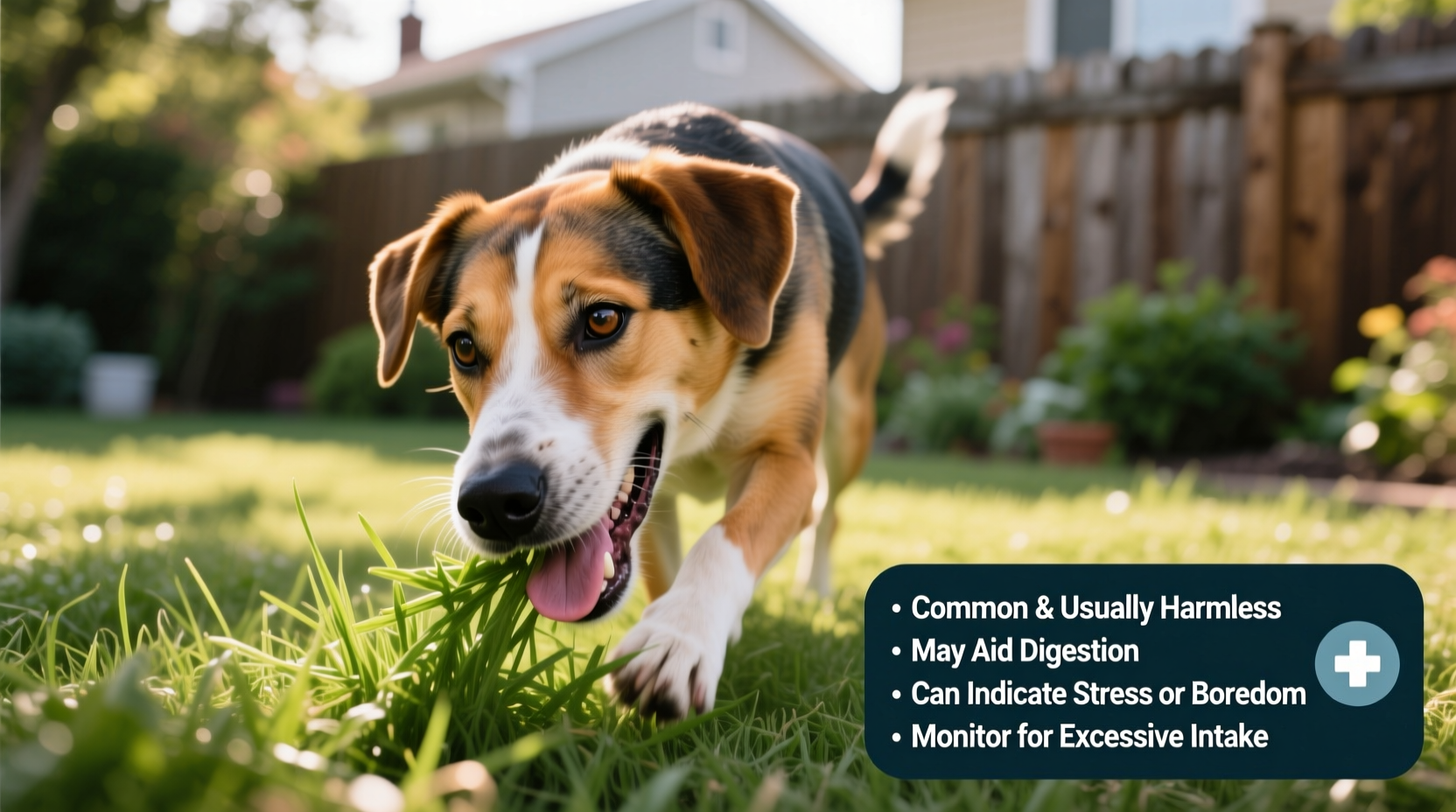
Dogs don’t eat grass for a single reason. Instead, multiple factors—ranging from biological instincts to dietary needs—can explain the behavior. Veterinarians have identified several plausible explanations supported by observation and research.
- Natural instinct: Canines are omnivores with evolutionary roots in scavenging. Wild canids like wolves and coyotes consume plant material found in the stomachs of prey animals. Eating grass may be an inherited behavior tied to digestive diversity.
- Dietary supplementation: Some dogs may seek out grass to add fiber or micronutrients missing in their regular diet. Though commercial dog foods are nutritionally complete, individual sensitivities or imbalances can drive foraging behavior.
- Upset stomach relief: A long-held belief is that dogs eat grass to induce vomiting when feeling nauseated. While not all grass-eating leads to vomiting, many owners report their dogs do so shortly after grazing—suggesting self-medication may play a role in some cases.
- Boredom or anxiety: Behavioral triggers are often overlooked. Dogs left alone in yards or under-stimulated may turn to grass chewing as a form of occupation or stress relief.
- Taste and texture preference: Not every behavior needs a medical explanation. Some dogs simply enjoy the taste or mouthfeel of fresh grass, especially in spring when new growth is tender and sweet.
When Grass-Eating Signals a Health Concern
While occasional grass consumption is considered normal, certain patterns should prompt veterinary evaluation. The key lies in context: frequency, accompanying symptoms, and behavioral changes.
Grass itself is not toxic to dogs, but problems arise when the behavior is excessive or paired with signs of illness. For example, if your dog suddenly begins eating large amounts of grass and vomits repeatedly, appears lethargic, has diarrhea, or shows appetite changes, an underlying condition such as gastrointestinal upset, parasites, or inflammatory bowel disease could be present.
Another concern is exposure to treated lawns. Herbicides, pesticides, and fertilizers commonly used on residential grass can be toxic. Even organic lawn treatments may contain essential oils or compounds harmful to pets. Dogs ingesting chemically treated grass risk chemical poisoning, which can manifest as drooling, tremors, or neurological symptoms.
“Grass eating is usually a normal canine behavior, but sudden changes in frequency or intensity deserve a vet check. Rule out pain, nausea, or parasites before assuming it’s just a habit.” — Dr. Lena Reyes, DVM, Small Animal Internal Medicine Specialist
Red Flags That Warrant a Veterinary Visit
| Symptom | Possible Implication | Action Step |
|---|---|---|
| Eating grass daily with vomiting | Gastric irritation, acid reflux, or pancreatitis | Schedule GI exam and dietary review |
| Obsessive grass chewing | Anxiety, pica (compulsive eating), or nutrient deficiency | Behavioral assessment + blood work |
| Diarrhea or blood in stool after grazing | Parasites (e.g., hookworms), intestinal infection, or toxin ingestion | Fecal test and possible deworming |
| Seizures, drooling, or weakness | Pesticide or herbicide poisoning | Immediate emergency care |
Safe vs. Unsafe Grass: What Dog Owners Need to Know
Not all grass is created equal. The safety of grass consumption depends heavily on environmental factors. Urban lawns, public parks, and even backyard turf may harbor hazards beyond the plants themselves.
Chemical treatments are the primary concern. Glyphosate-based herbicides, commonly found in weed killers, have been linked to increased cancer risk in dogs with prolonged exposure. Similarly, fertilizers high in nitrogen or iron can cause gastrointestinal distress or more severe toxicity.
Weeds growing alongside grass also pose risks. Some plants, such as foxtails or burrs, can become lodged in a dog’s mouth, eyes, or nasal passages. Others, like daffodils or lilies, are outright toxic if ingested.
How to Provide Safe Grazing Options
- Grow pet-safe grass indoors: Plant wheatgrass, oat grass, or barley in a pot inside your home. These are non-toxic, easy to grow, and give dogs a controlled source of greenery.
- Avoid chemical lawn treatments: Opt for pet-safe alternatives or allow natural growth without synthetic inputs.
- Supervise outdoor time: Prevent access to roadside grass, public lawns, or areas where unknown chemicals may have been applied.
- Rinse paws after walks: This reduces the risk of your dog ingesting toxins while grooming, even if they didn’t eat the grass directly.
Case Study: Max, the Labrador Who Ate Grass Every Morning
Max, a 4-year-old yellow Labrador, began eating grass intensely each morning before breakfast. His owner, Sarah, noticed he would gulp down large clumps and sometimes vomit afterward. Initially, she assumed he was trying to settle an upset stomach. But when the behavior persisted for weeks despite a high-quality diet, she consulted her veterinarian.
After a physical exam and bloodwork, no signs of infection, parasites, or organ dysfunction were found. However, Max’s history revealed he was often anxious when left alone. Further questioning uncovered that his grass-eating occurred only on weekdays—when Sarah went to work—and not on weekends.
The vet diagnosed mild separation anxiety with displacement behavior. Grass eating served as a coping mechanism. The solution wasn’t medication, but environmental enrichment: puzzle feeders, scheduled walks, and gradual desensitization training reduced Max’s stress. Within three weeks, the grass consumption stopped entirely.
This case illustrates how behavioral causes can mimic medical ones. Without proper assessment, Max might have undergone unnecessary treatments. Instead, addressing the root emotional trigger resolved the issue naturally.
Step-by-Step Guide: Responding to Your Dog’s Grass-Eating Habit
If your dog eats grass, follow this practical sequence to assess and manage the behavior responsibly:
- Observe the pattern: Note when, how much, and how often your dog eats grass. Does it happen before meals? After exercise? Only when alone?
- Check for symptoms: Look for vomiting, diarrhea, weight loss, or changes in energy levels. Keep a log for your vet if concerns arise.
- Inspect the environment: Confirm your lawn hasn’t been treated with chemicals. Avoid letting your dog graze in parks or along roadsides.
- Review diet quality: Ensure your dog is getting balanced nutrition. Consider adding fiber-rich supplements like pumpkin (consult your vet first).
- Rule out medical issues: Schedule a wellness exam, including fecal testing for parasites and bloodwork if indicated.
- Address behavioral needs: Increase mental stimulation with toys, training, or social interaction. Reduce anxiety through routine and positive reinforcement.
- Provide safe alternatives: Grow indoor grass trays or offer chew-safe greens approved for dogs.
FAQ: Common Questions About Dogs Eating Grass
Is it normal for dogs to eat grass every day?
Yes, many dogs eat grass daily without any health issues. As long as there are no signs of illness, vomiting, or exposure to toxins, frequent grass consumption is generally considered normal behavior.
Should I stop my dog from eating grass?
Not necessarily. If the grass is untreated and your dog shows no adverse effects, there’s no need to intervene. However, if the behavior becomes obsessive or is followed by vomiting, consult your vet to rule out underlying causes.
Can eating grass make my dog sick?
Grass itself isn’t harmful, but contaminated grass—treated with pesticides or hosting parasites—can cause illness. Additionally, sharp blades or foxtail seeds may irritate the digestive tract. Supervision and clean sources minimize risk.
Checklist: Is Your Dog’s Grass-Eating Behavior Safe?
- ☐ Grass is free of pesticides, herbicides, and fertilizers
- ☐ No vomiting, diarrhea, or lethargy after grazing
- ☐ Dog eats grass casually, not obsessively
- ☐ No sudden changes in appetite or behavior
- ☐ Regular parasite prevention is up to date
- ☐ Diet is balanced and appropriate for age/lifestyle
- ☐ Mental and physical enrichment needs are met
Conclusion: Understanding, Not Fear
Dogs eat grass for a variety of reasons—many of which are completely natural. As pet owners, our instinct is to worry when our dogs do something we don’t fully understand. But in most cases, grass consumption is not a cry for help, but a quiet expression of instinct, taste, or mild discomfort.
The real value lies in paying attention—not in stopping the behavior outright. By observing patterns, ensuring environmental safety, and consulting your veterinarian when in doubt, you can support your dog’s well-being without unnecessary intervention.
💬 Have a story about your dog and grass-eating? Share your experience in the comments—your insight could help another pet owner feel more informed and less concerned.








