
Dogs eating grass is a common behavior observed by pet owners across the world. Whether your dog nibbles on blades gently during a walk or aggressively chews through yard patches, this habit often raises questions—and sometimes concern. Is it a sign of illness? A nutritional deficiency? Or simply instinct?
Veterinarians have studied this behavior for decades, and while no single explanation fits every case, several well-supported theories exist. At the same time, numerous myths persist—some harmless, others potentially misleading. This article breaks down the science behind why dogs eat grass, separates evidence-based explanations from speculation, and offers practical guidance for concerned pet owners.
Common Reasons Dogs Eat Grass (Vet-Approved)
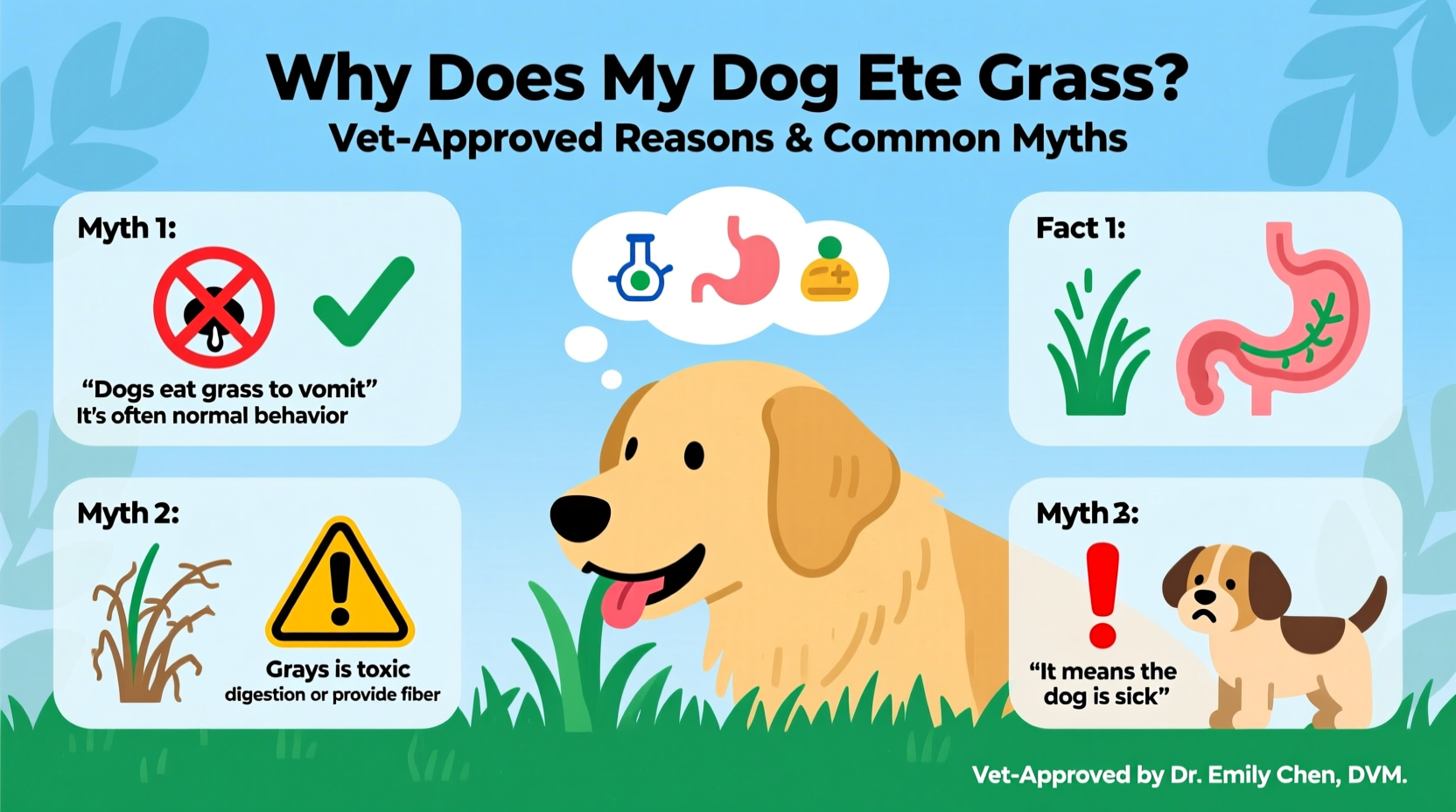
Contrary to popular belief, most dogs that eat grass are not sick—and many never vomit afterward. In fact, a study published in *Applied Animal Behaviour Science* found that only 10% of dogs showed signs of illness before grazing, and less than 25% vomited after consuming grass. This suggests that grass-eating is largely normal behavior.
Here are the top vet-supported reasons why dogs eat grass:
- Dietary fiber supplementation: Grass provides roughage, which aids digestion and helps regulate bowel movements. Dogs on highly processed diets may seek out plant material to balance their gastrointestinal function.
- Natural instinct: Canine ancestors consumed plant matter through the stomach contents of prey animals. Modern dogs retain this omnivorous flexibility and may graze as part of natural foraging behavior.
- Boredom or anxiety relief: Like humans who bite their nails, some dogs chew grass out of mild stress or lack of stimulation. It can serve as a self-soothing mechanism.
- Taste preference: Fresh spring grass has a sweet, juicy flavor that many dogs enjoy. Seasonal growth patterns often correlate with increased grazing.
- Mild stomach upset: While not the primary cause, some dogs may use grass to induce vomiting if they feel nauseous. However, this is typically a last resort rather than a routine behavior.
Debunking Common Myths About Dogs Eating Grass
Despite growing scientific understanding, myths about grass consumption continue to circulate. These misconceptions can lead to overreaction or inappropriate treatment. Let’s examine and correct the most persistent ones.
Myth 1: “Dogs eat grass because they’re sick.”
Reality: Most dogs eat grass when perfectly healthy. Research shows vomiting occurs in fewer than one-quarter of cases. Illness may trigger the behavior in some instances, but it’s not the default cause.
Myth 2: “Grass means my dog has a nutritional deficiency.”
Reality: There’s little evidence that dogs crave grass due to missing nutrients. Commercial dog foods are formulated to meet all dietary needs. If deficiencies were common, we’d see more widespread symptoms beyond grass-eating.
Myth 3: “Eating grass can cause intestinal blockages.”
Reality: Short, soft grass is easily digested and poses minimal risk. Only large quantities of coarse, fibrous plants—or ingestion of non-grass materials like plastic mulch—present real dangers.
Myth 4: “Puppies eat grass to get rid of worms.”
Reality: No scientific proof supports this. While wild animals sometimes use plants to expel parasites, domestic dogs don’t rely on grass for deworming. Regular parasite prevention is far more effective.
“Grass-eating is a normal canine behavior seen across breeds and ages. Unless accompanied by other clinical signs, it rarely indicates disease.” — Dr. Laura Greensmith, DVM, Veterinary Behavior Specialist
When Grass-Eating Might Signal a Problem
While occasional grazing is normal, certain patterns warrant veterinary attention. Not all grass consumption is benign—especially when linked to underlying health issues or environmental hazards.
Watch for these red flags:
- Frequent, obsessive grass consumption (multiple times per day)
- Aggressive chewing or gulping without chewing
- Immediate vomiting after every episode
- Diarrhea, weight loss, lethargy, or changes in appetite
- Eating grass in areas treated with pesticides, herbicides, or fertilizers
Gastrointestinal disorders such as inflammatory bowel disease (IBD), pancreatitis, or gastric reflux can increase grass-seeking behavior. Similarly, behavioral conditions like compulsive disorder may manifest as repetitive grass-eating.
In rare cases, pica—a condition where animals consume non-food items—can include excessive plant ingestion. Pica may stem from medical issues (e.g., anemia, malabsorption) or psychological factors (e.g., anxiety, lack of enrichment).
Environmental Risks of Grass Consumption
The location matters as much as the behavior. Urban lawns, public parks, and roadside greenery may contain harmful substances:
| Hazard | Risk to Dogs | Prevention Strategy |
|---|---|---|
| Pesticides/Herbicides | Liver damage, neurological effects, vomiting | Avoid chemically treated lawns; opt for organic landscaping |
| Fertilizers | Gastroenteritis, tremors, seizures (if ingested in bulk) | Keep dog off lawn for at least 72 hours after application |
| Lawn Treatments (weed killers) | Skin irritation, oral ulcers, toxicity | Use pet-safe products or create untreated grazing zones |
| Parasite-contaminated soil | Roundworms, hookworms, giardia | Regular deworming and fecal testing |
Real-Life Example: Max, the Labrador Who Loved Lawn Time
Max, a 3-year-old yellow Labrador, began eating grass obsessively after his family moved to a suburban home with a large backyard. His owners noticed he’d spend 10��15 minutes each morning devouring clumps of grass, often followed by vomiting.
Concerned, they brought him to their veterinarian. After a full physical exam, blood work, and fecal analysis, no underlying illness was found. The vet asked about Max’s routine and learned he spent long stretches alone in the yard with limited toys or interaction.
The diagnosis? Behavioral grass-eating driven by boredom and mild separation anxiety. The vet recommended increasing mental stimulation through puzzle feeders, scheduled play sessions, and obedience training. Within three weeks, Max’s grass consumption dropped by 80%, and the vomiting stopped entirely.
This case highlights how environment and emotional well-being influence seemingly odd behaviors—even something as simple as eating grass.
Step-by-Step Guide: Assessing and Managing Your Dog’s Grass-Eating Habit
If you're unsure whether your dog’s grass consumption is normal or concerning, follow this vet-recommended process:
- Observe frequency and context: Note how often your dog eats grass, what type of grass, and whether vomiting follows.
- Check for other symptoms: Look for diarrhea, weight loss, lethargy, or changes in appetite or energy levels.
- Review diet quality: Ensure your dog is on a balanced, AAFCO-compliant food. Consider adding fiber-rich vegetables (like pumpkin) if digestive irregularities exist.
- Assess mental and physical enrichment: Evaluate daily exercise, playtime, and mental challenges. Bored dogs are more likely to develop repetitive habits.
- Eliminate environmental toxins: Confirm your lawn and walking routes are free from chemicals. Use pet-safe alternatives if needed.
- Consult your veterinarian: If behavior persists or worsens, schedule a check-up. Blood tests, fecal exams, or imaging may be necessary to rule out medical causes.
- Implement behavior modification: For anxiety-related grazing, work with a trainer or veterinary behaviorist on desensitization and redirection techniques.
Checklist: Is Your Dog’s Grass-Eating Normal?
Use this quick reference to evaluate your dog’s behavior:
- ✅ Eats grass occasionally (once a day or less)
- ✅ Chews grass slowly and calmly
- ✅ Shows no signs of illness before or after
- ✅ Has regular bowel movements and good appetite
- ✅ Vomits rarely, if at all
- ✅ Grazes on untreated, chemical-free lawns
- ✅ Enjoys other forms of enrichment (toys, walks, training)
If all boxes are checked, your dog is likely just exhibiting natural, harmless behavior. If multiple items are unchecked, further investigation is warranted.
Frequently Asked Questions
Should I stop my dog from eating grass?
Not necessarily. If your dog is healthy, eating grass in moderation, and not exposed to toxins, there’s no need to intervene. Forcing suppression without addressing root causes (like boredom) may lead to frustration or redirected behaviors.
Can I give my dog indoor grass to satisfy the urge?
Yes. Pet-safe wheatgrass or oat grass grown indoors can provide a clean, controlled alternative. Many pet stores sell “cat and dog grass” kits that are easy to grow on a windowsill. This allows safe grazing year-round.
Does eating grass mean my dog has worms?
No. There is no scientific link between grass consumption and intestinal parasites. However, dogs can pick up worm eggs from contaminated soil while grazing. That’s why regular deworming and fecal testing (at least once a year) are essential, regardless of grass-eating habits.
Final Thoughts: Understanding, Not Fear
Dogs eat grass for a variety of reasons—many of them completely normal. From evolutionary instincts to digestive support, the behavior is deeply rooted in canine biology. While vigilance is important, especially regarding environmental risks, most grass-eating episodes require no intervention.
The key is observation. By understanding your dog’s patterns, ruling out medical concerns, and providing a stimulating, toxin-free environment, you can ensure this habit remains harmless. When in doubt, consult your veterinarian. But remember: seeing your dog munch on grass doesn’t automatically mean something is wrong.
💬 Have a story about your dog and grass-eating? Share your experience in the comments below—your insight could help another pet owner feel more at ease.








