
It’s a common sight: your dog pauses during a walk, lowers their head, and starts munching on grass like it’s part of their dinner menu. For many pet owners, this behavior raises eyebrows. Is it normal? Could it be harmful? Should you intervene, or is it best to let it go?
Grass-eating in dogs is more widespread than most people realize. Studies suggest that over 70% of dogs engage in this behavior regularly, often without any signs of illness before or after. While it may seem odd, eating grass isn’t inherently dangerous—and in most cases, it doesn’t require intervention. But understanding the reasons behind it, recognizing red flags, and knowing when to act can make all the difference in your dog’s health and well-being.
Common Reasons Dogs Eat Grass
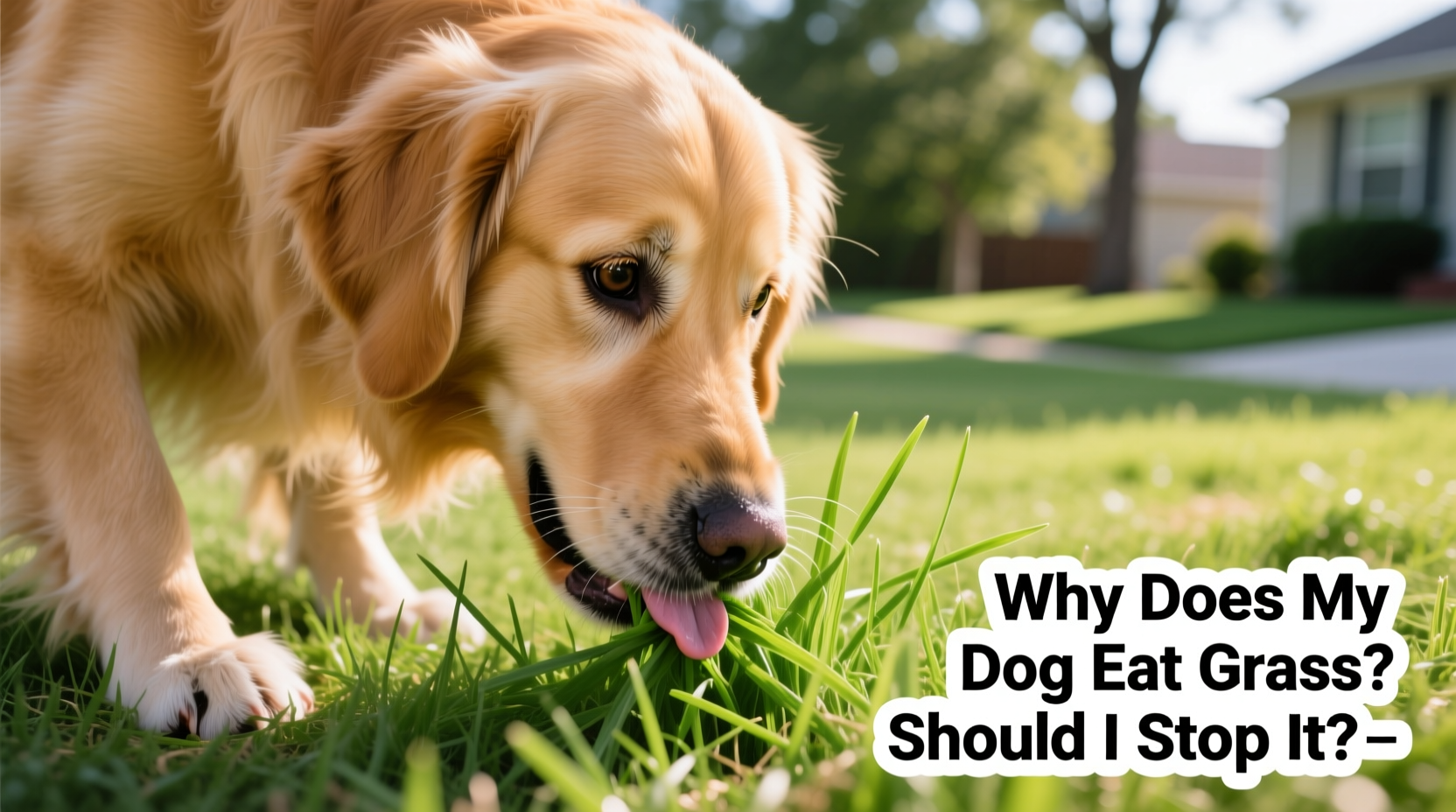
Dogs don’t read human dietary guidelines, and their instincts often guide behaviors that seem strange to us. Grass consumption is one such behavior with multiple potential explanations. While no single theory applies to every dog, several well-supported possibilities help explain why your pup might prefer a side of lawn with their kibble.
- Nutritional deficiency: Some experts believe dogs may seek out grass to compensate for missing nutrients, particularly fiber. Grass contains roughage that can support digestion, especially in dogs on low-fiber diets.
- Digestive aid: Grass can act as a natural laxative or induce vomiting if a dog has an upset stomach. The fibrous texture may stimulate intestinal movement or trigger regurgitation to relieve discomfort.
- Instinctual behavior: Wild canids, like wolves and foxes, consume plant material found in the stomachs of prey animals. Eating grass could be an inherited trait from their ancestors.
- Boredom or anxiety: Dogs left alone for long periods or those experiencing stress may turn to grass-eating as a form of self-soothing or mental stimulation.
- Taste preference: Not all dogs eat grass to feel better—some simply enjoy the taste or texture, especially young, curious dogs exploring their environment.
When Grass-Eating Is Normal vs. A Cause for Concern
Occasional grass consumption, especially without vomiting or distress, is typically harmless. However, patterns matter. The context—how often, how much, and what happens afterward—can indicate whether this behavior is benign or a symptom of something deeper.
Dogs who nibble small amounts of grass during walks, appear relaxed, and show no gastrointestinal issues afterward are likely engaging in normal, instinct-driven behavior. On the other hand, frantic or obsessive grass-eating, especially followed by vomiting, diarrhea, or lethargy, may signal an underlying problem.
| Normal Behavior | Potential Red Flags |
|---|---|
| Eats grass occasionally during walks | Eats grass aggressively or obsessively |
| No vomiting or only rare, mild episodes | Frequent vomiting after eating grass |
| Appears happy and energetic | Lethargic, whining, or showing abdominal pain |
| Consumes small amounts | Eats large quantities rapidly |
| No changes in appetite or bowel movements | Diarrhea, constipation, or blood in stool |
“Grass-eating is a common canine behavior, and in most cases, it’s not a medical concern. But sudden changes in frequency or associated symptoms should prompt a veterinary consultation.” — Dr. Lena Patel, DVM, Canine Behavioral Specialist
Should You Stop Your Dog From Eating Grass?
The short answer: usually not. Preventing your dog from eating grass entirely is neither practical nor necessary in most cases. However, there are exceptions—particularly when safety or health risks are involved.
If your dog enjoys the occasional blade of grass in a clean, pesticide-free yard, there’s little reason to discourage the habit. In fact, forcing restraint could increase stress or frustration. But if your dog is consuming grass treated with herbicides, fertilizers, or contaminated by animal feces, intervention is essential.
Chemicals used in lawn care can be toxic to dogs. Glyphosate, commonly found in weed killers, has been linked to kidney disease and cancer in pets. Similarly, grass near roadsides or public parks may be exposed to pollutants, antifreeze, or parasites like roundworms and hookworms from fecal matter.
Steps to Minimize Risk Without Suppressing Natural Behavior
- Provide a safe outdoor space free of chemicals and contaminants.
- Supervise your dog during potty breaks and redirect them if they start eating grass in unsafe areas.
- Offer indoor alternatives like wheatgrass grown specifically for pets.
- Ensure your dog’s diet includes sufficient fiber through high-quality food or vet-approved supplements.
- Address boredom with puzzle toys, longer walks, or training sessions.
Mini Case Study: Max, the Labrador Who Loved Lawn
Max, a three-year-old yellow Labrador, began eating grass daily after his family moved to a suburban home with a lush backyard. At first, his owners were concerned, especially when he vomited once a week. They tried distracting him and even considered using a muzzle during walks.
After a check-up, their veterinarian found Max was otherwise healthy but slightly overweight and on a low-fiber kibble. The vet suggested switching to a higher-fiber diet and adding structured playtime to reduce boredom. Within three weeks, Max’s grass consumption dropped by half, and vomiting stopped completely.
This case highlights how environmental and dietary factors—not illness—were driving the behavior. Simple adjustments resolved the issue without suppressing Max’s natural instincts.
Checklist: When to Consult a Veterinarian
Use this checklist to determine whether your dog’s grass-eating warrants professional evaluation:
- ✅ Vomiting occurs frequently (more than once a week)
- ✅ Grass is consumed in large, frantic amounts
- ✅ Signs of abdominal pain (whining, bloating, reluctance to move)
- ✅ Diarrhea, blood in stool, or weight loss
- ✅ Sudden onset of the behavior in an older dog
- ✅ Exposure to pesticides, fertilizers, or toxic plants
- ✅ Changes in appetite, energy levels, or drinking habits
If two or more items apply, schedule a vet visit. Blood work, fecal exams, or dietary analysis may be needed to rule out gastrointestinal disorders, parasites, or metabolic conditions.
FAQ: Common Questions About Dogs Eating Grass
Is it dangerous if my dog throws up after eating grass?
Occasional vomiting after eating grass is not automatically concerning, especially if your dog seems fine afterward. Many dogs use grass to self-induce vomiting when their stomach feels off. However, frequent or forceful vomiting requires veterinary attention to rule out gastritis, obstruction, or other illnesses.
Can I grow grass for my dog at home?
Yes—pet-safe indoor grass kits, often labeled as “wheatgrass” or “cat grass,” are available at pet stores and online. These provide a clean, chemical-free option for dogs who crave greens. Just ensure the grass is grown without pesticides and replace it regularly to prevent mold.
Do puppies eat grass more than adult dogs?
Yes, younger dogs are more likely to eat grass due to curiosity, teething discomfort, or higher energy levels. Puppies explore the world orally, and grass is readily available. As they mature, the behavior often decreases unless reinforced by digestive needs or boredom.
How to Respond: A Balanced Approach
Instead of reacting with alarm or attempting to eliminate the behavior altogether, adopt a measured, observant approach. Start by tracking when and where your dog eats grass, how much they consume, and what happens afterward. Keep a simple log for a week—it can reveal patterns invisible in day-to-day interactions.
Next, evaluate your dog’s environment and diet. Are they getting enough physical and mental stimulation? Is their food high in fillers and low in fiber? Could they be anxious during certain times of day? Addressing these root causes often reduces grass-eating naturally.
If your dog is healthy, happy, and only nibbling grass casually, let it go. This behavior is part of their biological heritage and rarely harmful. But if you notice changes in frequency, intensity, or accompanying symptoms, don’t hesitate to seek professional advice. Early detection of health issues leads to better outcomes.
Tip: Carry a portable water bottle and collapsible bowl on walks. Hydration can reduce the urge to eat grass caused by dry mouth or mild nausea.Conclusion: Trust Instincts, But Know the Signs
Dogs eat grass for a variety of reasons—many of them perfectly normal. As a responsible pet owner, your role isn’t to eliminate every unusual behavior but to understand it, assess its impact, and respond wisely. In most cases, letting your dog enjoy a few blades of grass is harmless and even beneficial.
Focus on creating a safe environment, providing a nutritious diet, and staying alert to changes in behavior. When in doubt, consult your veterinarian. Their expertise, combined with your observations, ensures your dog stays healthy while expressing natural instincts.
💬 Have a story about your dog and grass-eating? Share your experience in the comments—your insight could help another pet owner navigate the same question.








