
Dogs eating grass is one of the most common yet misunderstood behaviors in pet ownership. Walk through any park and you’re likely to see dogs nibbling on blades of lawn with focused intent. For many owners, this sparks concern: Is my dog sick? Does he have an upset stomach? Or is he just bored? The truth is more nuanced than a simple yes or no. Grass consumption in dogs is widespread—studies suggest that over 70% of dogs engage in this behavior at least occasionally—and for most, it’s completely normal. However, understanding the underlying reasons can help determine when it’s harmless and when it might signal a deeper issue.
While some dogs eat grass and immediately vomit, others graze calmly without any digestive aftermath. This variation suggests multiple motivations behind the behavior. By examining veterinary research, behavioral patterns, and real-world observations, we can separate myth from fact and offer practical guidance for concerned pet owners.
The Science Behind Canine Grass Consumption
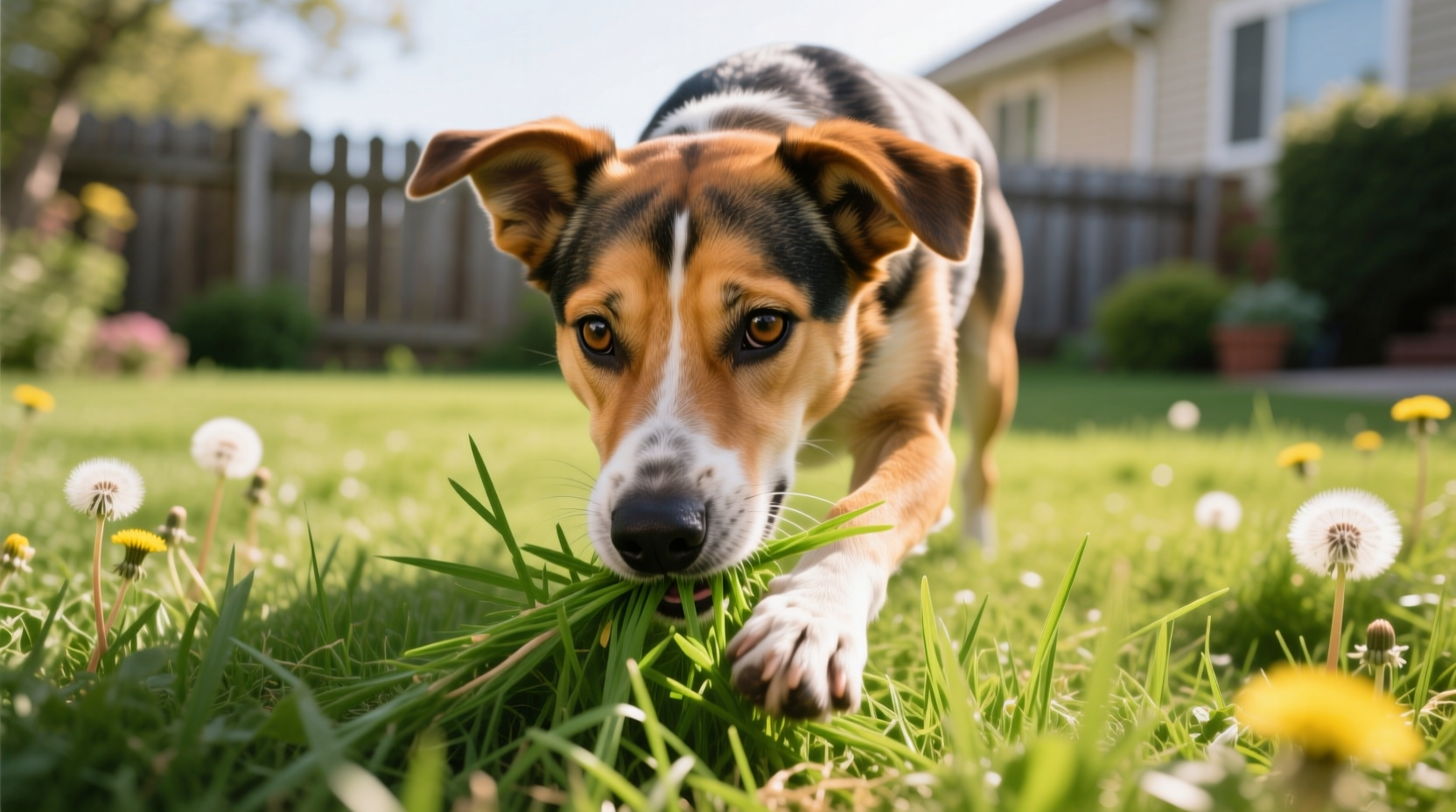
Despite decades of anecdotal speculation, scientific inquiry into why dogs eat grass has yielded surprising clarity. A landmark study published in the journal Applied Animal Behaviour Science surveyed over 1,500 dog owners and observed 79 dogs consuming grass. The findings challenged long-held assumptions: only 22% of dogs appeared unwell before eating grass, and fewer than 9% showed signs of illness afterward. Most ate grass regularly, without vomiting, suggesting it’s not primarily a self-induced remedy for nausea.
Researchers concluded that grass-eating is likely an inherited trait from wild canid ancestors, who consumed plant material through the stomach contents of prey. Modern dogs may retain a biological drive to ingest fibrous matter, even if their diet is nutritionally complete. In fact, some experts believe that small amounts of grass can support digestion by adding roughage, much like dietary fiber does in humans.
“Grass eating in dogs is usually not linked to illness. It’s a normal, often instinctive behavior that doesn’t require intervention unless accompanied by other symptoms.” — Dr. Karen Becker, Integrative Veterinarian
Common Reasons Dogs Eat Grass
While no single explanation fits every case, several well-documented factors contribute to this behavior. Understanding them helps distinguish between benign habits and potential health concerns.
1. Natural Instinct and Dietary Supplementation
Dogs are omnivores, not strict carnivores. Their digestive systems can process plant matter, and wild relatives like wolves consume vegetation indirectly through prey. Some dogs may seek out grass to fulfill a subtle nutritional need, such as missing fiber, enzymes, or micronutrients—even when fed high-quality commercial food.
2. Digestive Aid and Gut Health
Grass acts as a natural bulking agent. For dogs with mild constipation or irregular bowel movements, the added fiber may promote intestinal motility. Unlike the popular belief that dogs eat grass to induce vomiting, most do not throw up afterward. When vomiting does occur, it’s often coincidental rather than intentional.
3. Boredom or Anxiety Relief
Dogs left alone for long periods or lacking mental stimulation may resort to grazing as a displacement behavior. Just as humans might bite their nails when stressed, dogs may chew grass to occupy themselves. This is especially common in high-energy breeds or those without sufficient daily exercise.
Tip: If your dog eats grass excessively during downtime, increase structured play, walks, or puzzle toys to reduce idle behavior.4. Taste and Texture Preference
Some dogs simply enjoy the taste or mouthfeel of fresh grass, particularly in spring when new growth is tender and sweet. This is especially true for puppies exploring their environment orally—a natural developmental phase.
5. Underlying Medical Conditions
In rare cases, frequent grass consumption accompanied by vomiting, diarrhea, weight loss, or lethargy may indicate gastrointestinal disorders such as inflammatory bowel disease (IBD), parasites, or pancreatitis. Nutritional deficiencies due to poor absorption or low-quality diets can also trigger pica—the ingestion of non-food items.
When Grass Eating Becomes a Concern
Occasional grass grazing is typically nothing to worry about. But certain red flags suggest it’s time to consult a veterinarian. The key is observing patterns and accompanying symptoms.
| Behavior or Symptom | Normal? | Action Recommended |
|---|---|---|
| Eats grass once or twice a week, no vomiting | ✅ Yes | Monitor, no action needed |
| Grass consumption followed by vomiting | ⚠️ Occasionally acceptable | Observe frequency; consult vet if regular |
| Obsessive grass eating, pacing, drooling | ❌ No | Possible nausea or anxiety—seek evaluation |
| Diarrhea, weight loss, or blood in stool | ❌ No | Immediate veterinary consultation required |
| Eats chemically treated lawns or roadside grass | ❌ Hazardous | Prevent access; use leashed supervision |
Real-Life Scenario: Max, the Border Collie
Max, a 4-year-old Border Collie, began eating large amounts of grass after his owner started working from home full-time. Previously, Max was walked twice daily and attended doggy daycare. With reduced activity, he spent hours in the backyard, returning with green-stained mouth and occasional vomiting.
His owner initially assumed Max had a stomach problem and switched foods twice, but symptoms persisted. A veterinary exam revealed no parasites or illness. The vet suggested behavioral causes due to decreased stimulation. The owner responded by increasing walks, introducing agility training, and using treat-dispensing toys indoors.
Within three weeks, Max’s grass consumption dropped by over 80%. He still nibbled occasionally, but without distress. This case illustrates how environmental changes—not medical issues—can drive seemingly concerning behaviors.
How to Respond: A Step-by-Step Guide
If your dog eats grass frequently, follow this practical timeline to assess and address the cause:
- Observe the pattern: Note how often your dog eats grass, whether vomiting follows, and the context (e.g., after meals, during walks, when alone).
- Assess diet quality: Ensure your dog is on a balanced, species-appropriate diet. Consider adding fiber-rich vegetables like pumpkin or steamed greens if stools are soft.
- Increase mental and physical stimulation: Aim for at least 30–60 minutes of active exercise daily. Use interactive toys, scent games, or obedience training to reduce boredom.
- Limit access to unsafe grass: Avoid areas treated with pesticides, herbicides, or fertilizers. Prevent grazing on roadsides where toxins or parasites may be present.
- Monitor for additional symptoms: Watch for vomiting, diarrhea, appetite changes, or lethargy lasting more than 24 hours.
- Schedule a vet check-up: If grass eating is obsessive or paired with illness signs, request fecal testing, blood work, and a dietary review.
Checklist: What You Can Do Today
- ✔️ Track your dog’s grass-eating episodes for one week
- ✔️ Review current dog food ingredients and fiber content
- ✔️ Add 1–2 teaspoons of plain canned pumpkin to meals (if tolerated)
- ✔️ Schedule an extra walk or play session daily
- ✔️ Replace outdoor grass access with supervised chew toys if ingestion is excessive
- ✔️ Book a wellness exam if behavior changes suddenly
Frequently Asked Questions
Can eating grass make my dog sick?
Grass itself is not toxic, but risks arise from contaminated sources. Lawns treated with chemicals, polluted runoff, or parasite-infested soil can lead to poisoning or intestinal infections. Always supervise outdoor grazing and avoid unknown areas.
Should I stop my dog from eating grass?
Not necessarily. If your dog eats grass moderately and shows no ill effects, intervention isn’t needed. However, if it leads to vomiting, blockages, or exposure to hazards, redirection with toys or leashed walks is advisable.
Is grass eating a sign of worms?
While intestinal parasites can cause pica (eating non-food items), grass consumption alone isn’t diagnostic. If you suspect worms—especially with diarrhea, weight loss, or visible segments in stool—consult your vet for deworming and testing.
Final Thoughts and Action Steps
Dogs eat grass for a variety of reasons, most of which are entirely normal. Whether driven by instinct, mild dietary curiosity, or boredom, the behavior rarely indicates serious illness. However, dismissing it outright can mean missing subtle cues of discomfort or anxiety. The key is mindful observation and responsive care.
Instead of reacting with alarm, approach grass eating as a window into your dog’s physical and emotional world. Is their routine fulfilling? Is their diet optimal? Are they getting enough engagement? Addressing these broader aspects often resolves the behavior naturally.
For most dogs, grass is just part of life outdoors. With proper management and awareness, you can ensure it remains a safe, occasional habit rather than a symptom of neglect or imbalance.
💬 Have a story about your dog and grass? Share your experience below. Your insights could help other pet owners understand this common behavior better.








