
Dogs eating grass is one of the most common yet misunderstood behaviors in pet ownership. It's estimated that over 70% of dogs engage in this habit at some point, often leaving owners puzzled or concerned. Is it a sign of an upset stomach? A cry for help due to nutritional deficiency? Or simply a quirky pastime born out of boredom? The truth is more nuanced than any single explanation. While occasional grass consumption is typically harmless, understanding the underlying reasons can help you assess whether it's normal behavior or a symptom worth investigating.
Unlike cats, who are obligate carnivores, dogs are omnivores with evolutionary roots in scavenging. This means their digestive systems are equipped to handle a broader range of foods—including plant matter. Grass-eating likely stems from instinctual behaviors passed down from wild ancestors who consumed entire prey animals, including stomach contents filled with vegetation. But modern domestication has changed how and why dogs interact with their environment. Today’s dogs may graze for psychological, physiological, or environmental reasons—sometimes all at once.
The Science Behind Canine Grass Consumption
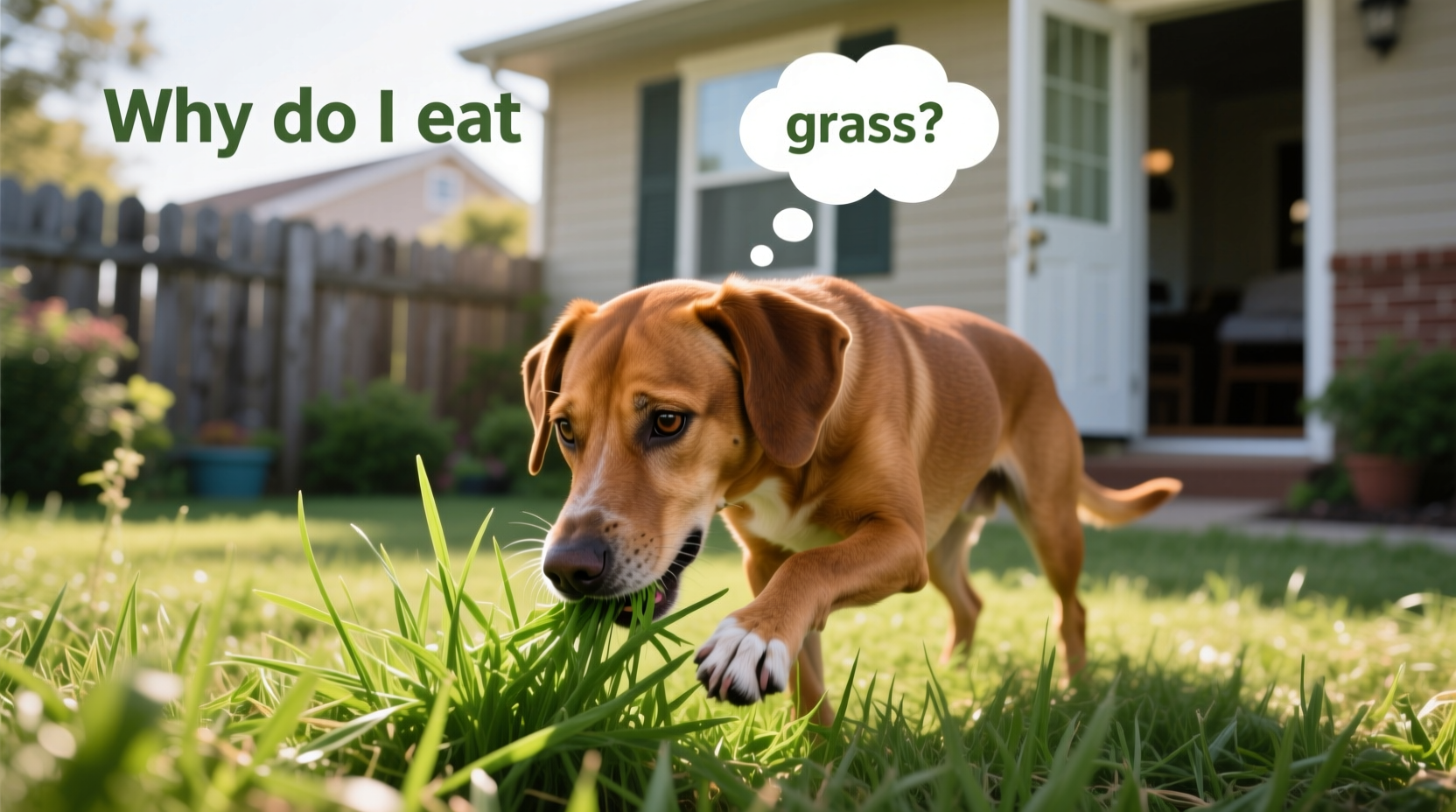
Research into why dogs eat grass has yielded mixed but informative results. A landmark study published in *Applied Animal Behaviour Science* surveyed over 1,500 dog owners and observed 79 dogs consuming grass. The findings were revealing: only about 10% of dogs appeared sick before eating grass, and less than 25% vomited afterward. This suggests that vomiting is not the primary goal of grass consumption for most dogs.
Instead, researchers concluded that grass eating is a normal, innate behavior that begins early in life—often before six months of age—and tends to occur when dogs are relaxed and not showing signs of gastrointestinal distress. In fact, frequent grass eaters were found to be less likely to display illness either before or after grazing, further weakening the assumption that it’s primarily a self-medicating act.
From a biological perspective, grass provides minimal nutritional value, but its fibrous texture may aid digestion by stimulating intestinal motility. Some experts believe dogs instinctively use grass as a natural laxative or deworming agent, though there’s little clinical evidence supporting this in well-cared-for pets. Still, the mechanical effect of fiber moving through the gut could explain why some dogs feel better after eating grass—even if they don’t vomit.
“Grass eating in dogs is largely benign and appears to be a normal part of canine behavior. Unless it’s excessive or accompanied by other symptoms, it rarely indicates serious illness.” — Dr. Karen Sueda, Veterinary Behaviorist at VCA West Los Angeles Animal Hospital
Stomach Issues vs. Boredom: How to Tell the Difference
Distinguishing between medical and behavioral causes of grass eating requires careful observation. While both scenarios can look identical at first glance, key contextual clues help differentiate them.
Signs that grass eating may stem from stomach discomfort:
- Eating grass rapidly and urgently
- Visible signs of nausea (lip licking, drooling, pacing)
- Vomiting shortly after ingestion
- Lethargy or loss of appetite before or after grazing
- Recent dietary changes or access to spoiled food
In contrast, dogs eating grass out of boredom or instinct typically do so casually during walks or while lounging in the yard. They may nibble intermittently, show no signs of distress, and continue normal activities afterward. These dogs often seem curious or playful rather than anxious.
Boredom-driven grass consumption is especially common in high-energy breeds like Border Collies, Australian Shepherds, or young puppies with unmet mental stimulation needs. Without adequate exercise or interactive toys, dogs may turn to grass as a form of oral engagement—a way to occupy themselves much like humans might chew gum.
Tip: Observe your dog’s body language before, during, and after grass eating. Calm, slow grazing usually indicates normal behavior; frantic or repetitive consumption may signal discomfort.When Grass Eating Becomes a Concern
While occasional grass consumption is generally safe, certain red flags warrant veterinary attention. Not all grass is created equal—lawn treatments, pesticides, and toxic plants pose real dangers. Dogs who frequently eat grass in urban parks or chemically treated yards are at higher risk of ingesting harmful substances.
Additionally, compulsive grass eating—defined as obsessive, daily consumption regardless of environment—can indicate underlying anxiety, pica (an appetite for non-food items), or gastrointestinal disorders such as inflammatory bowel disease (IBD) or pancreatitis.
Watch for these warning signs:
- Excessive vomiting or diarrhea after eating grass
- Weight loss despite normal appetite
- Changes in bowel habits (constipation, bloody stools)
- Aggression or stress around meal times
- Eating non-grass items like dirt, feces, or plastic
If your dog suddenly increases grass consumption or exhibits any of the above symptoms, schedule a vet visit. Diagnostic tests such as blood work, fecal exams, or abdominal imaging may be needed to rule out parasites, infections, or chronic conditions.
Safe Alternatives to Outdoor Grass
To reduce exposure to contaminants while satisfying your dog’s urge to graze, consider growing pet-safe indoor grass. Commonly known as “wheatgrass” or “cat grass,” these sprouted grains (like barley, oats, or rye) are non-toxic and rich in chlorophyll and fiber.
Benefits include:
- Controlled growing environment (no pesticides)
- Year-round availability
- Supports digestion and dental health
- Provides mental enrichment indoors
Simply plant seeds in a shallow tray, keep them watered, and place near a sunny window. Most dogs enjoy nibbling the tender shoots within 7–10 days of planting.
Do’s and Don’ts of Managing Grass-Eating Behavior
| Do | Don’t |
|---|---|
| Allow moderate grass eating if your dog shows no signs of illness | Assume all grass eating is a sign of sickness |
| Provide mental stimulation through puzzle toys and training games | Yell at or punish your dog for eating grass |
| Inspect your yard for toxic plants or chemical treatments | Let your dog graze in public areas with unknown lawn care practices |
| Introduce indoor pet grass as a safe alternative | Ignore sudden changes in frequency or associated symptoms |
| Keep routine parasite prevention up to date | Delay veterinary consultation if vomiting or lethargy occurs |
A Real-Life Example: Max, the Labrador Who Loved Lawns
Max, a three-year-old Yellow Lab, began eating grass obsessively every morning during his owner’s walk through the neighborhood. At first, his owner assumed it was a stomach issue—especially since Max occasionally vomited afterward. Worried, she switched his food twice and even fasted him overnight, hoping to calm his digestion.
But the behavior persisted. Then, a trainer suggested observing Max’s demeanor. She noticed he only ate grass on days when he hadn’t received his usual 45-minute off-leash run at the park. On weekends with full activity, he barely glanced at the lawn. The vomiting wasn’t caused by illness—it was likely due to swallowing large amounts of grass quickly on an empty stomach.
After increasing his morning exercise and introducing a small pot of wheatgrass at home, Max’s outdoor grazing decreased by over 80%. His owner realized the behavior was less about physical need and more about routine, energy regulation, and oral satisfaction.
This case highlights how easily behavioral triggers can mimic medical ones—and why context matters more than isolated actions.
Step-by-Step Guide to Assessing and Responding to Grass Eating
Follow this timeline to determine whether your dog’s grass consumption needs intervention:
- Day 1–3: Observe patterns – Note when, where, and how your dog eats grass. Record frequency, speed, and any pre- or post-ingestion behaviors.
- Day 4: Evaluate environment – Check your yard and walking routes for pesticides, herbicides, or toxic plants like foxglove, daffodils, or oleander.
- Day 5: Review diet and routine – Ensure your dog is on a balanced, AAFCO-approved food. Consider whether recent changes in feeding, exercise, or household dynamics may contribute.
- Day 6–7: Introduce enrichment – Add chew toys, snuffle mats, or short training sessions to increase mental stimulation.
- Day 8: Try indoor grass – Grow a small tray of pet-safe grass to offer a controlled grazing option.
- Day 9–10: Reassess – If grass eating persists or worsens, or if new symptoms appear, contact your veterinarian for evaluation.
Frequently Asked Questions
Can eating grass make my dog sick?
Occasional grass consumption rarely causes harm, but risks increase if the grass is treated with chemicals or contaminated with feces carrying parasites like roundworms or giardia. Always ensure your dog is on regular deworming and avoid areas with unknown maintenance practices.
Should I stop my dog from eating grass?
Not necessarily. If your dog is healthy, not vomiting excessively, and grazing moderately, there’s usually no need to intervene. However, if the behavior becomes compulsive or dangerous (e.g., eating large clumps that cause choking), redirection and enrichment strategies are recommended.
Is grass eating linked to nutritional deficiency?
There’s little scientific evidence that dogs eat grass to correct dietary imbalances. Most commercial dog foods provide complete nutrition, and studies show grass-eating dogs don’t differ in diet quality from those who don’t graze. Fiber supplementation may help some individuals, but should only be added under veterinary guidance.
Action Plan: Supporting Your Dog’s Health and Behavior
Understanding why your dog eats grass isn’t about eliminating the behavior—it’s about ensuring it doesn’t mask deeper issues. Start by ruling out medical causes through a check-up and parasite screening. Then, focus on lifestyle factors: Is your dog getting enough physical and mental exercise? Are mealtimes predictable? Is their environment enriched with scent games, chews, and interaction?
If boredom is the driver, structured play and training can redirect that energy productively. If mild digestive sensitivity plays a role, a highly digestible diet or probiotic support may help. And if grass eating remains a minor habit without consequences, acceptance may be the best approach.
“The key is not to pathologize normal behavior. Dogs are curious, tactile creatures. Letting them explore the world—including tasting grass—is part of being a dog.” — Dr. Sophia Yin, Late Animal Behavior Specialist and Author of *The Science and Application of Dog Training*
Final Thoughts: Balancing Instinct and Care
Dog owners naturally want to protect their pets from harm, but vigilance shouldn’t override common sense. Eating grass is a widespread, evolutionarily rooted behavior that, in most cases, falls well within the range of normal. While it can occasionally reflect stomach discomfort, far more often it’s a blend of instinct, curiosity, and environmental opportunity.
By paying attention to context—not just the act itself—you can make informed decisions that support your dog’s overall well-being. Whether the cause is boredom, mild digestive nudging, or pure enjoyment, your response should prioritize safety, enrichment, and peace of mind—for both of you.
🚀 Ready to understand your dog better? Start tracking their grass-eating habits today, share your observations with your vet, and explore safe enrichment options. Your dog’s behavior tells a story—listen closely, respond wisely, and foster a healthier, happier relationship.








