Dogs don’t come with instruction manuals, but their behaviors often tell a story. One of the most puzzling habits many dog owners encounter is finding beloved chew toys stashed under couch cushions, buried in flower beds, or tucked behind bathroom towels. While it may seem random—or even mischievous—this behavior is deeply rooted in canine instincts, environment, and emotional needs. Understanding why your dog buries toys in odd locations isn’t just about solving a mystery; it’s about fostering a healthier, more harmonious relationship with your pet.
This behavior, often dismissed as quirky, can actually reveal important insights into your dog’s mental state, breed tendencies, and daily routine. More importantly, knowing how to manage it ensures that your home stays organized and your dog remains mentally stimulated and emotionally secure.
The Evolutionary Roots of Toy Burying
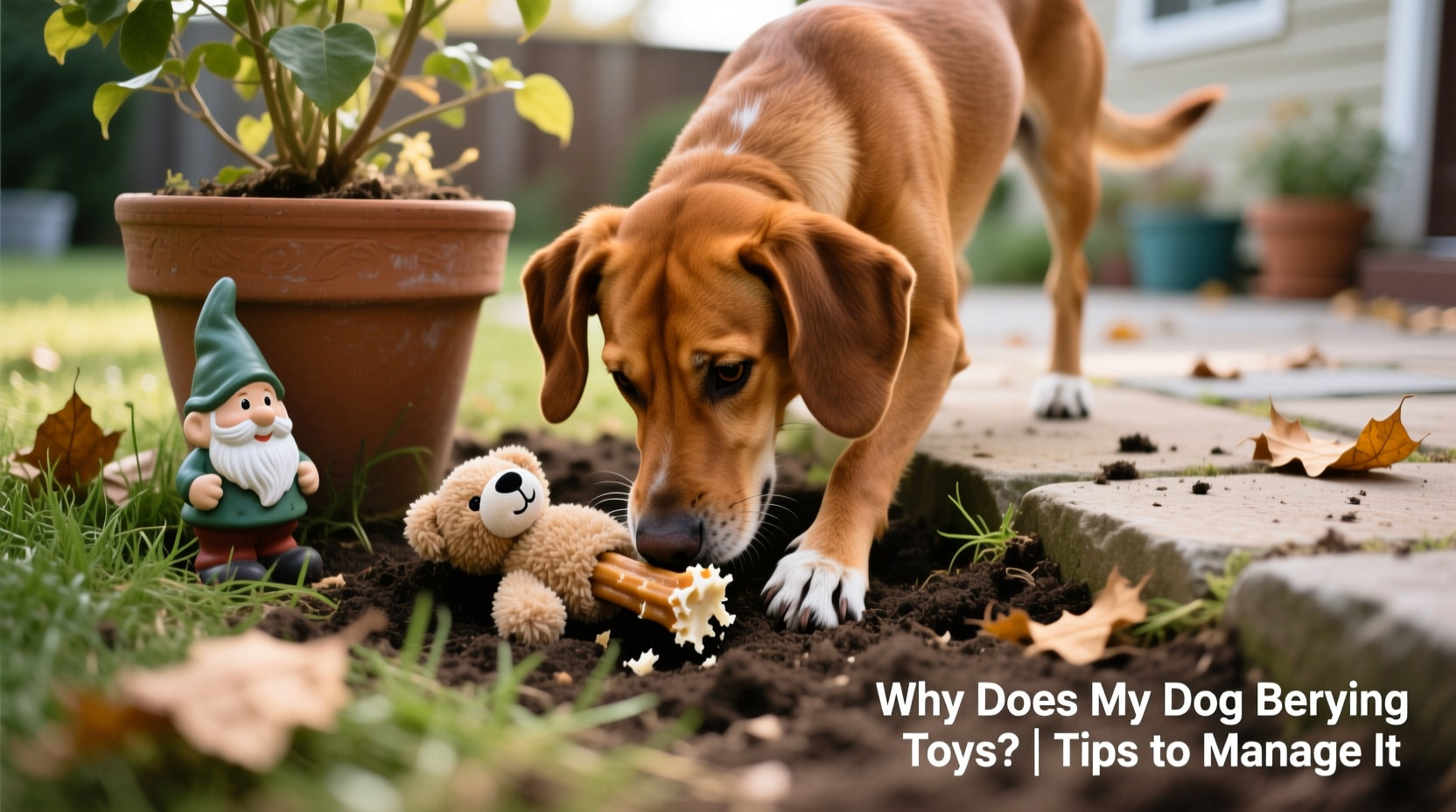
To understand toy burial, we must look back thousands of years—to the wild ancestors of today’s domesticated dogs. In the wild, food was not always guaranteed. Canines like wolves and early proto-dogs developed caching behavior: hiding surplus food to protect it from scavengers and ensure future meals. This instinct didn’t vanish with domestication—it evolved.
Modern dogs still carry these genetic blueprints. When your dog “buries” a favorite squeaky toy under a blanket or pushes it into the corner behind the sofa, they’re engaging in symbolic caching. Even though they aren’t starving, their brain interprets possession as something worth protecting. The act of digging, nudging, and covering mimics the motions of burying food in soil or leaves.
Breeds with strong hunting or working backgrounds—such as Terriers, Huskies, and Beagles—are especially prone to this behavior. These dogs were historically bred to track, retrieve, and store resources, making them more likely to stash items instinctively.
“Caching is not a sign of anxiety or confusion—it’s a survival mechanism hardwired into the canine brain. What looks like odd behavior to us is completely logical to them.” — Dr. Lena Reyes, Veterinary Ethologist
Psychological and Environmental Triggers
While instinct plays a major role, modern-day triggers also influence where and how often dogs hide their toys. A dog’s environment, routine, and emotional well-being can amplify or redirect this natural tendency.
Possessiveness: Some dogs view certain toys as high-value items. If they’ve had past experiences where toys were taken away, they may start hiding them preemptively. This is especially common in rescue dogs or those from multi-pet households.
Overstimulation: Dogs overwhelmed by noise, activity, or too many toys may retreat and stash items as a way to regain control. A cluttered living room full of competing stimuli might prompt a dog to move prized possessions to quieter zones—like under the bed or inside laundry baskets.
Separation Anxiety: In some cases, dogs bury toys when left alone. The act becomes a self-soothing ritual. You might notice patterns—like toys hidden only on workdays or before vet visits—indicating stress-related caching.
Lack of Mental Stimulation: Paradoxically, both boredom and overexcitement can lead to hoarding. A dog without sufficient enrichment may fixate on a single toy, treating it like a treasure to be guarded. On the flip side, after an intense play session, a dog might “store” a toy as if saving it for later enjoyment.
Tip: Rotate your dog’s toys weekly to maintain novelty and reduce obsessive attachment to any single item.Common Hiding Spots and What They Reveal
The location where your dog chooses to bury toys can offer clues about their motivations. Here's a breakdown of typical spots and possible interpretations:
| Hiding Spot | Possible Reason | What It Suggests |
|---|---|---|
| Under furniture (sofa, bed) | Seeks enclosed, dark spaces resembling dens | Desire for security; mimicry of natural denning behavior |
| In potted plants or garden soil | Instinctual digging motion; soft substrate | Strong caching drive; need for physical engagement |
| Inside shoes or laundry | Absorbs owner’s scent; personal items feel valuable | Attachment to human presence; comfort-seeking |
| Behind curtains or drapes | Out-of-sight, quiet area | Avoidance of high-traffic zones; preference for privacy |
| Near food bowls or crates | Associates storage with feeding zones | Mixes resource-guarding instincts with mealtime routines |
Observing these patterns helps you tailor management strategies. For instance, if your dog consistently hides toys near your shoes, providing a designated “toy den” nearby—like a basket by the entryway—can redirect the behavior constructively.
How to Manage Toy-Burying Behavior
You don’t need to eliminate this behavior entirely—nor should you. Caching is a natural, enriching activity. The goal is to guide it in ways that respect your dog’s instincts while maintaining household harmony.
Step-by-Step Guide to Redirecting Toy Storage
- Identify High-Value Toys: Determine which toys trigger the strongest possessive reactions. These are usually the ones most frequently hidden.
- Create a Designated “Stash Zone”: Set up a specific area—a crate, basket, or corner of the room—with soft bedding where your dog is encouraged to keep toys. Use positive reinforcement when they place items there.
- Add Scent Anchors: Place an old t-shirt with your scent in the stash zone. This increases its appeal as a “safe” storage location.
- Simulate Burying: For dogs who dig, provide a sandbox or indoor digging box filled with shredded paper or rice. Bury treats or toys occasionally to make it rewarding.
- Limit Access During Key Times: If your dog hides toys before you leave, consider putting away special toys until you return, replacing them with puzzle feeders or chew bones instead.
- Monitor Multi-Pet Dynamics: In homes with multiple pets, ensure each animal has equal access to toys to prevent competitive hoarding.
Checklist: Healthy Toy Management Routine
- ✅ Rotate toys every 5–7 days to prevent fixation
- ✅ Provide at least one “digging-friendly” alternative (e.g., sandpit or dig mat)
- ✅ Establish a consistent play and rest schedule
- ✅ Use positive reinforcement when toys are stored appropriately
- ✅ Inspect hidden areas weekly to recover lost items and check for damage
- ✅ Avoid punishing hiding behavior—this increases anxiety and secrecy
Mini Case Study: Max, the Toy-Hoarding Border Collie
Max, a four-year-old Border Collie in Portland, had developed a reputation for disappearing toys. His owner, Sarah, would buy a new plush squirrel, only to find half of it three weeks later stuffed inside the toilet tank. Other items turned up in the dishwasher, behind radiators, and once, inexplicably, in the fridge.
After consulting a canine behaviorist, Sarah realized Max wasn’t being destructive—he was organizing. As a high-energy breed with limited outdoor access during rainy months, Max had redirected his herding and caching instincts indoors. The solution wasn’t restriction, but redirection.
Sarah introduced a “treasure basket” next to Max’s bed, lined it with an unwashed hoodie, and began praising him whenever he placed a toy inside. She also added a small indoor dig box filled with crumpled paper where Max could “bury” toys safely. Within two weeks, 80% of missing items were found in the basket. The fridge raids stopped entirely.
“It clicked when I stopped seeing it as disobedience,” Sarah said. “He wasn’t trying to annoy me—he was trying to do what felt right. Once I gave him the right outlet, everything changed.”
Frequently Asked Questions
Is it normal for my dog to bury toys indoors?
Yes, especially in breeds with strong ancestral drives. Indoor burying is a modified form of caching behavior. As long as it’s not linked to anxiety or destruction, it’s considered normal and even mentally stimulating.
Should I stop my dog from hiding toys?
Not necessarily. Complete suppression can lead to frustration. Instead, guide the behavior toward acceptable zones. Discourage hiding in unsafe places (like toilets or electrical cords), but allow it in designated areas.
Why does my dog only bury certain toys?
Dogs typically assign value based on texture, sound, smell, or past rewards. Squeaky toys, plush animals, or items associated with playtime often become “high-value.” This selectivity reflects cognitive prioritization—not randomness.
Conclusion: Working With Instinct, Not Against It
Dog behavior is rarely arbitrary. When your dog buries toys in strange places, they’re not defying logic—they’re following an ancient blueprint shaped by survival, emotion, and environment. Rather than viewing this habit as a nuisance, consider it an opportunity to deepen your understanding of your pet’s inner world.
Effective management doesn’t require eliminating instinct. It requires channeling it. By creating structured outlets—designated storage zones, sensory enrichment, and consistent routines—you support your dog’s psychological health while keeping your home functional and your favorite slippers free of hidden tennis balls.
Start today: observe where your dog hides toys, identify patterns, and introduce one simple change—like a labeled basket or a digging box. Small shifts yield big results. Your dog will feel more secure, and you’ll gain insight into the quiet, complex mind of your furry companion.
💬 Have a story about your dog’s strangest hiding spot? Share your experience in the comments—your tip might help another pet owner solve their own mystery!








