
It’s a familiar scene: the house is quiet, lights are off, and everyone is winding down—until your dog suddenly starts barking at nothing. No intruder, no passing car, no visible trigger. Yet the barking persists, breaking the silence and disrupting sleep. You’re not alone. Many dog owners face this puzzling behavior, especially during the evening or nighttime hours. While it may seem irrational, your dog isn’t acting out of spite or boredom alone. There are real, often subtle, reasons behind nocturnal barking—even when the environment appears calm.
Dogs experience the world differently than humans. Their senses are sharper, their instincts more attuned to changes we don’t notice. What feels like a peaceful night to you might be full of auditory cues, shifting shadows, or internal anxieties for your dog. Understanding the root causes is the first step toward resolving the issue. More importantly, effective solutions require empathy, consistency, and a willingness to adjust both environment and routine.
Understanding Canine Nighttime Behavior
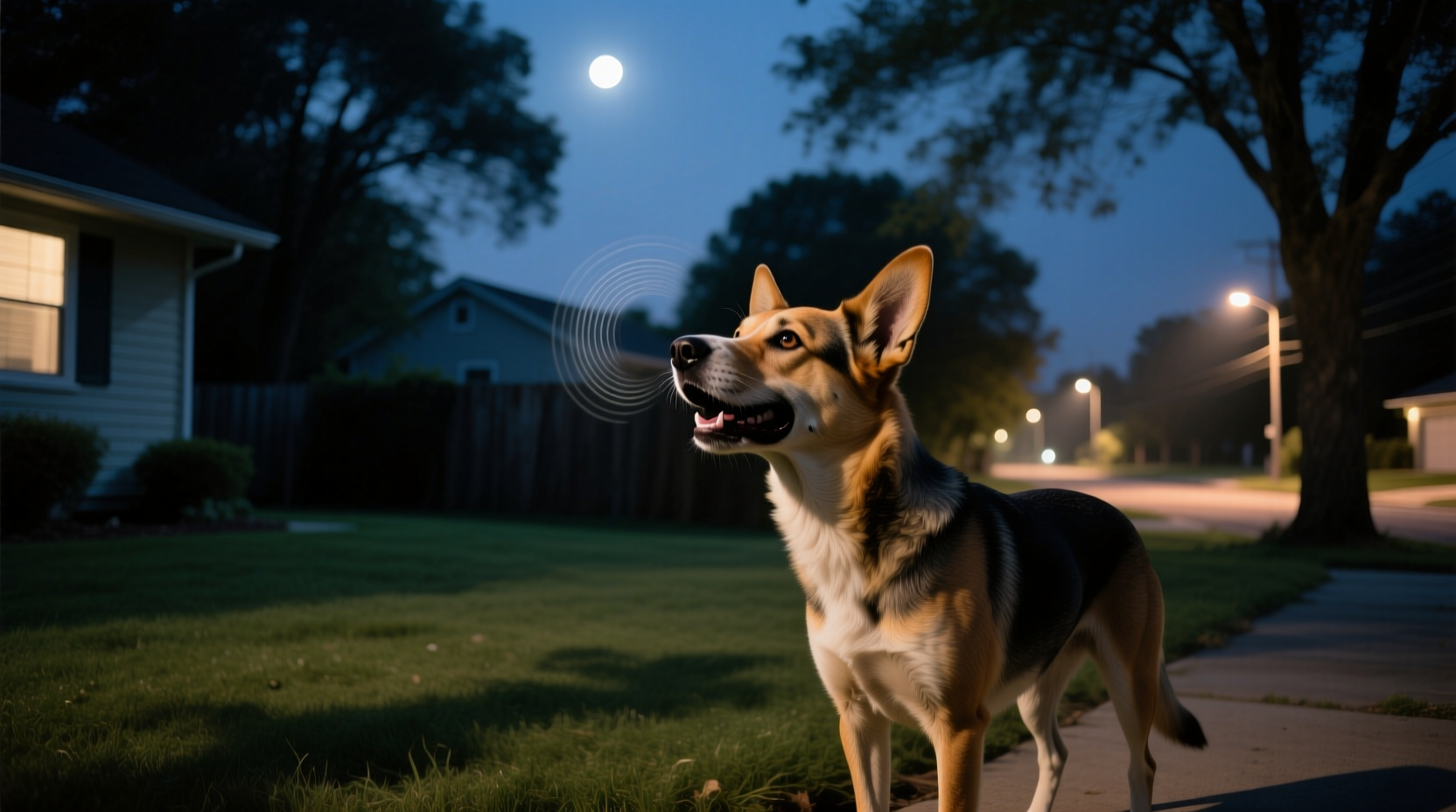
Dogs are not naturally nocturnal, but they are crepuscular—most active during dawn and dusk. This biological rhythm means their alertness naturally peaks during twilight hours. Even well-adjusted pets can become hyper-vigilant as daylight fades, scanning for movement or sound that might signal danger. In domestic settings, this instinct doesn’t disappear; it merely shifts focus.
At night, ambient noise decreases, making distant sounds—like a rustling leaf, a distant siren, or footsteps on pavement—more pronounced to a dog’s sensitive ears. These stimuli, imperceptible to humans, can trigger alert barking. Additionally, dogs rely heavily on routine. A change in schedule, feeding time, or sleeping arrangement can heighten anxiety, manifesting as vocalization after dark.
Another factor is diminished visibility. As light fades, dogs lose visual context. Shadows may appear threatening, and unfamiliar shapes can trigger fear-based responses. Unlike humans, dogs do not rationalize uncertainty—they react. Barking becomes a way to assert control over an ambiguous environment.
Tip: Observe your dog’s barking pattern for several nights. Note the time, duration, and any environmental changes. This log can help identify hidden triggers.Common Causes of Night Barking in Seemingly Calm Conditions
The absence of obvious stimuli doesn’t mean there’s no cause. Often, the triggers are subtle or internal. Here are the most frequent reasons dogs bark at night despite apparent tranquility:
- Hearing distant noises: Dogs can hear frequencies up to 65,000 Hz (humans cap at 20,000 Hz). Sounds like high-pitched electronic whines, rodent activity in walls, or far-off traffic may provoke barking.
- Separation anxiety: When family members retreat to bedrooms or turn off lights, some dogs perceive isolation. Barking may be a plea for attention or reassurance.
- Cognitive decline in older dogs: Senior dogs may suffer from canine cognitive dysfunction (CCD), leading to confusion, disorientation, and nighttime vocalization.
- Need for elimination: Especially in puppies or senior dogs with reduced bladder control, the urge to go outside can prompt persistent barking if ignored.
- Environmental echoes: Indoor sounds—pipes clanging, HVAC systems cycling, or even a clock ticking—can reverberate at night and trigger alert responses.
- Past trauma or learned behavior: Rescue dogs or those with inconsistent training may associate nighttime with past threats or have learned that barking gets results (e.g., being let onto the bed).
“Night barking is rarely about defiance. It’s usually communication—whether due to fear, need, or sensory overload.” — Dr. Karen Becker, Integrative Veterinarian
Step-by-Step Guide to Reducing Nighttime Barking
Resolving nocturnal barking requires a structured approach. Reacting with punishment or yelling only increases anxiety. Instead, follow this six-step process to address both symptoms and root causes:
- Conduct a trigger audit: Spend three nights observing when barking occurs. Use a notebook or voice memo app to record time, duration, weather, household activity, and any potential stimuli (e.g., neighbor’s light turning on).
- Optimize the sleeping environment: Provide a comfortable, secure space near family members if possible. Use white noise machines or calming music to mask external sounds.
- Establish a pre-bed routine: Implement a consistent wind-down ritual including potty breaks, light play, and mental stimulation (e.g., puzzle toys) to reduce residual energy.
- Address physical needs: Ensure your dog has emptied its bladder before bedtime. For seniors, consider scheduled late-night bathroom breaks.
- Train quiet commands: Teach “quiet” using positive reinforcement. When your dog barks, say “quiet” calmly. When they stop, reward immediately. Practice during the day to build reliability.
- Gradually desensitize to triggers: If specific sounds provoke barking (e.g., wind chimes), play low-volume recordings during the day and gradually increase exposure while rewarding calm behavior.
Do’s and Don’ts of Managing Night Barking
| Do | Don’t |
|---|---|
| Maintain a consistent bedtime routine | Yell or punish your dog mid-bark |
| Use white noise or calming music | Reinforce barking by giving attention |
| Check for medical issues (especially in seniors) | Ignore signs of pain or discomfort |
| Provide a cozy, den-like sleeping area | Leave your dog isolated in a noisy basement |
| Consult a professional trainer or behaviorist | Assume the behavior will “grow out” on its own |
Real-Life Example: Bella the Border Collie
Sarah, a teacher from Portland, adopted Bella, a 3-year-old Border Collie, six months ago. Initially, Bella adjusted well—except at night. Around 10:30 PM, she’d start barking at the backyard window, continuing for 15–20 minutes. Sarah assumed raccoons were the cause, but motion cameras showed nothing. After logging patterns for a week, Sarah noticed the barking coincided with her upstairs neighbor flushing the toilet—a sound transmitted through shared pipes.
Bella’s acute hearing interpreted the gurgling noise as a threat. Sarah implemented two changes: she placed a white noise machine near Bella’s bed and began ending evenings with a stuffed Kong toy to redirect focus. Within ten days, the barking ceased. The solution wasn’t stricter discipline—it was understanding Bella’s sensory world.
Tip: Try placing your ear against walls or floors at night. You might hear vibrations or sounds your dog detects but you miss.When to Seek Professional Help
Occasional barking is normal. Persistent, unexplained vocalization—especially if accompanied by pacing, trembling, or staring into corners—may indicate deeper issues. Canine cognitive dysfunction affects over 60% of dogs aged 12 and older. Symptoms include nighttime restlessness, confusion, and inappropriate vocalization.
Likewise, chronic anxiety or phobias may require intervention beyond training. A veterinary behaviorist can assess whether medication (such as anti-anxiety drugs or supplements like S-adenosylmethionine) combined with behavioral therapy is appropriate.
Professional dog trainers certified by organizations like the Certification Council for Professional Dog Trainers (CCPDT) can design customized behavior modification plans. Avoid trainers who use aversive tools like shock collars—these often worsen fear-based barking.
Frequently Asked Questions
Is it normal for dogs to bark at night occasionally?
Yes. Occasional alert barking in response to real or perceived stimuli is natural. However, daily or prolonged episodes suggest an underlying issue needing attention.
Could my dog be dreaming and barking in his sleep?
Possibly. Dogs experience REM sleep and may twitch, whimper, or briefly vocalize during dreams. But sustained barking usually occurs when awake. If your dog responds when called, they’re not asleep.
Will getting another dog stop the barking?
Not necessarily. While companionship helps some dogs, adding a second pet can increase stimulation and competition, potentially worsening noise sensitivity. Address the root cause first.
Action Plan Checklist
Use this checklist to systematically reduce nighttime barking:
- ✅ Log barking episodes for 3–5 nights
- ✅ Rule out medical issues with a vet visit
- ✅ Confirm final potty break before bed
- ✅ Introduce white noise or calming audio
- ✅ Create a secure sleeping space (crate, bed, or room)
- ✅ Train and reinforce a “quiet” command during daytime
- ✅ Eliminate or mask identified triggers (e.g., cover windows, insulate walls)
- ✅ Consult a certified trainer if progress stalls after 2–3 weeks
“Behavior is communication. When a dog barks at night, they’re telling us something—our job is to listen with more than our ears.” — Dr. Sophia Yin, Animal Behavior Expert
Conclusion: Restoring Peace One Night at a Time
Nighttime barking in calm conditions isn’t random—it’s a signal. Whether driven by heightened senses, emotional needs, or environmental factors, your dog is responding to something real in their experience. Dismissing it as “just noise” risks missing opportunities to strengthen trust and improve well-being.
By approaching the issue with patience, observation, and science-backed strategies, you can transform restless nights into peaceful ones. Start small: adjust the environment, refine routines, and listen closely. Progress may be gradual, but each quiet night builds toward lasting harmony.
💬 Have a story about solving your dog’s night barking? Share your experience below—your insight could help another pet owner finally get some sleep.








