
Cats are creatures of habit—many owners know the joy of watching their feline leap for a crinkle ball or bat at a feather wand with relentless enthusiasm. But then, without warning, that once-beloved toy is ignored, batted away with disdain, or outright avoided. It’s confusing and even a little heartbreaking. Why would a cat abandon a toy they used to adore? The truth is, cats don’t act out of spite or boredom alone. Their behavior is deeply rooted in instinct, environment, and subtle changes you might not notice. Understanding the reasons behind this sudden shift isn’t just about restoring playtime—it’s about maintaining your cat’s mental health, physical activity, and bond with you.
The Instinct Behind Feline Play
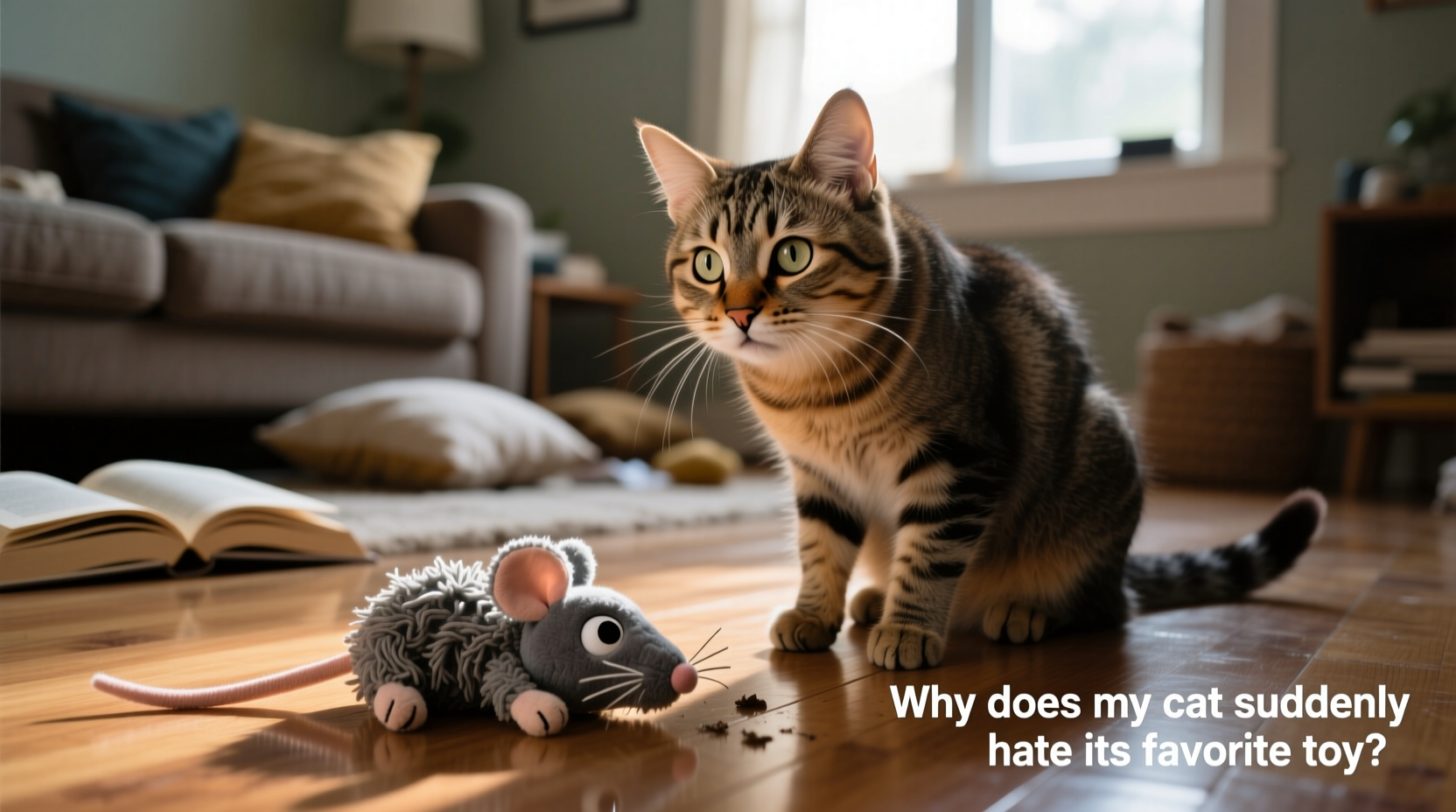
To understand why a cat might reject a favorite toy, it helps to first recognize what play means to them. Unlike dogs, who often play for social bonding or pure enjoyment, cats engage in play as a form of hunting rehearsal. Stalking, pouncing, biting, and shaking toys mimic the behaviors they’d use to catch prey in the wild. This predatory sequence is hardwired into their brains, even in well-fed indoor cats.
When a toy consistently satisfies this instinctual pattern—offering movement, sound, texture, and a sense of “capture”—a cat forms a strong attachment. But if any part of that experience changes, the toy can lose its appeal. For example, a mouse-shaped plush toy may stop triggering interest if it no longer smells like prey (due to washing), has lost its internal bell, or feels too stiff from repeated chewing.
“Play is not optional for cats—it's essential for emotional regulation and cognitive function. A sudden disinterest in toys should be seen as a signal, not a phase.” — Dr. Lena Patel, Feline Behavior Specialist
Common Reasons Cats Reject Favorite Toys
A cat abandoning a beloved toy rarely happens without cause. Below are the most frequent explanations, backed by veterinary and behavioral research.
1. Sensory Changes in the Toy
Cats rely heavily on smell, sound, and texture. If a toy has been washed, repaired, or simply worn down over time, its sensory profile may have shifted. Removing a squeaker, fading scent, or flattening stuffing can make the toy unrecognizable or uninteresting.
2. Overexposure and Habituation
Just like humans, cats can become desensitized to stimuli they encounter too frequently. A toy left out 24/7 loses its novelty. In the wild, prey isn’t constantly available—so unpredictability fuels excitement. When toys are always present, cats may mentally file them under “already hunted” and move on.
3. Environmental Stressors
Changes in the household—a new pet, visitor, construction noise, or rearranged furniture—can heighten anxiety. In stressed states, cats often withdraw from activities they once enjoyed, including play. The toy itself isn’t the issue; it’s the emotional context surrounding it.
4. Physical Discomfort or Pain
Sudden disinterest in batting or pouncing could signal joint pain, dental issues, or injury. An older cat with arthritis may avoid toys that require jumping or aggressive biting. Even a minor sore paw can discourage interaction.
5. Shifts in Prey Preference
Cats often cycle through “prey types” based on mood or season. One month, they’re obsessed with feather wands (bird mimicry); the next, they prefer crinkle balls (small rodent simulation). This doesn’t mean the old toy is ruined—it may simply be out of rotation.
Tip: Rotate toys weekly to maintain novelty. Store unused ones in sealed containers to preserve scent and texture.How to Diagnose the Real Cause
Before replacing or discarding the toy, take a methodical approach to identify the root issue. Jumping to conclusions can lead to wasted money and missed opportunities to support your cat’s well-being.
Step-by-Step Assessment Timeline
- Observe behavior patterns: Note when the avoidance started and whether it coincides with other changes (e.g., home renovation, new pet).
- Inspect the toy: Check for missing parts, odors, stains, or structural damage. Smell it yourself—has it absorbed cleaning products?
- Test reintroduction: Present the toy in a new setting or at a different time of day, using interactive play to re-engage interest.
- Monitor physical signs: Watch for limping, reluctance to jump, or excessive grooming, which may indicate pain.
- Eliminate variables: Temporarily remove other toys to isolate the cat’s response to the favorite one.
Mini Case Study: Bella and the Forgotten Mouse
Bella, a 4-year-old tabby, had played daily with a small stuffed mouse filled with catnip and a tiny bell. Her owner, Mark, noticed she began ignoring it after he machine-washed it on a “gentle” cycle. Despite appearing clean, the mouse had lost its bell and much of its catnip potency. Mark tried placing it back, but Bella sniffed it once and walked away. After consulting a behaviorist, he learned that the loss of auditory feedback (the bell) disrupted the hunting illusion. He replaced the toy with a similar one featuring a secure rattle and reapplied organic catnip. Within days, Bella resumed her playful attacks—proof that subtle sensory cues matter more than we assume.
Practical Solutions to Restore Interest
Once you’ve identified the likely cause, targeted interventions can reignite your cat’s enthusiasm—or help you transition smoothly to new favorites.
Revive the Toy (If Possible)
- Add a few drops of cat-safe essential oil (like silver vine or valerian) to refresh scent appeal.
- Insert a lightweight jingle bell or crinkle paper packet to restore sound.
- Store the toy with a piece of untreated wool or rawhide to absorb natural animal-like odors.
Reintroduce Through Interactive Play
Passive toys often fail to capture attention without stimulation. Use a wand or string to animate the toy, mimicking erratic prey movements. Drag it slowly, pause, then dart—triggering the chase instinct. Even a previously rejected toy can regain magic when brought to life.
| Toy Type | Revival Strategy | When to Replace |
|---|---|---|
| Plush mice | Reapply catnip, add crinkle layer | Fur matted beyond cleaning, stuffing exposed |
| Feather wands | Replace feathers, vary motion patterns | Handle loose, string frayed |
| Ball with bell | Ensure bell still rings, roll manually | No sound, cracks in shell |
| Electronic moving toys | Check batteries, change movement path | Motor failure, erratic behavior |
Rotate and Refresh Your Toy Collection
Think of your cat’s toy box like a seasonal wardrobe. Rotate 3–4 toys every 7–10 days. Keep others stored in airtight bins to preserve scent and prevent dust buildup. This strategy leverages novelty while preserving emotional connections to older favorites.
Tip: Introduce a “retired” toy during high-energy times (dawn or dusk) when hunting instincts peak.Prevention Checklist: Keeping Toys Engaging Long-Term
- ✅ Wash toys only when necessary, using unscented, mild soap.
- ✅ Avoid fabric softeners or bleach, which leave chemical residues.
- ✅ Inspect toys weekly for wear, loose parts, or safety hazards.
- ✅ Pair toy rotation with positive reinforcement (treats after play).
- ✅ Limit solo access to automated toys to prevent overstimulation.
- ✅ Schedule daily interactive sessions, even if brief (5–10 minutes).
- ✅ Match toys to your cat’s current play style (biter, chaser, pouncer).
FAQ: Common Questions About Cat Toy Rejection
Can cats get bored with toys permanently?
Not necessarily. What looks like boredom is often habituation. By rotating toys and refreshing sensory features, most cats will return to previously favored items. True disinterest usually stems from environmental or health issues, not the toy itself.
Should I throw away a toy my cat no longer likes?
Not immediately. Store it for 2–3 weeks, then reintroduce during a play session. Many cats rediscover forgotten toys with renewed excitement. If there’s damage or hygiene risk, then discard it responsibly.
How do I know if it’s a health problem?
Look for additional symptoms: reduced mobility, decreased grooming, vocalizing during movement, or aggression when touched. If play refusal is accompanied by lethargy or appetite loss, consult your veterinarian promptly.
Conclusion: Respond with Insight, Not Assumption
A cat rejecting its favorite toy isn’t being finicky—it’s communicating. Whether the cause is sensory, emotional, or physical, the shift deserves thoughtful attention. By observing closely, testing solutions systematically, and respecting your cat’s natural instincts, you can often restore playfulness and strengthen your bond. Don’t rush to buy replacements. Instead, investigate, adapt, and re-engage. The toy might not be broken—the context around it might be.
💬 Has your cat ever ghosted a favorite toy—then come back to it? Share your story in the comments and help other cat lovers decode feline quirks!








