
Cats are enigmatic creatures. Their behaviors—graceful, sudden, or seemingly inexplicable—often leave owners puzzled. One such behavior is prolonged staring at a blank wall. While it may appear eerie or even concerning, occasional wall-gazing is usually within the range of normal feline activity. However, when this behavior becomes frequent, intense, or is accompanied by other symptoms, it could signal an underlying issue. Understanding the difference between harmless quirks and potential health problems is essential for responsible pet ownership.
This article explores the various reasons why cats might fixate on walls, from natural instincts to medical conditions. You'll learn how to assess whether the behavior is benign or warrants veterinary attention, recognize red flags, and know when to take action.
The Feline Mind: Why Cats Exhibit Seemingly Odd Behaviors
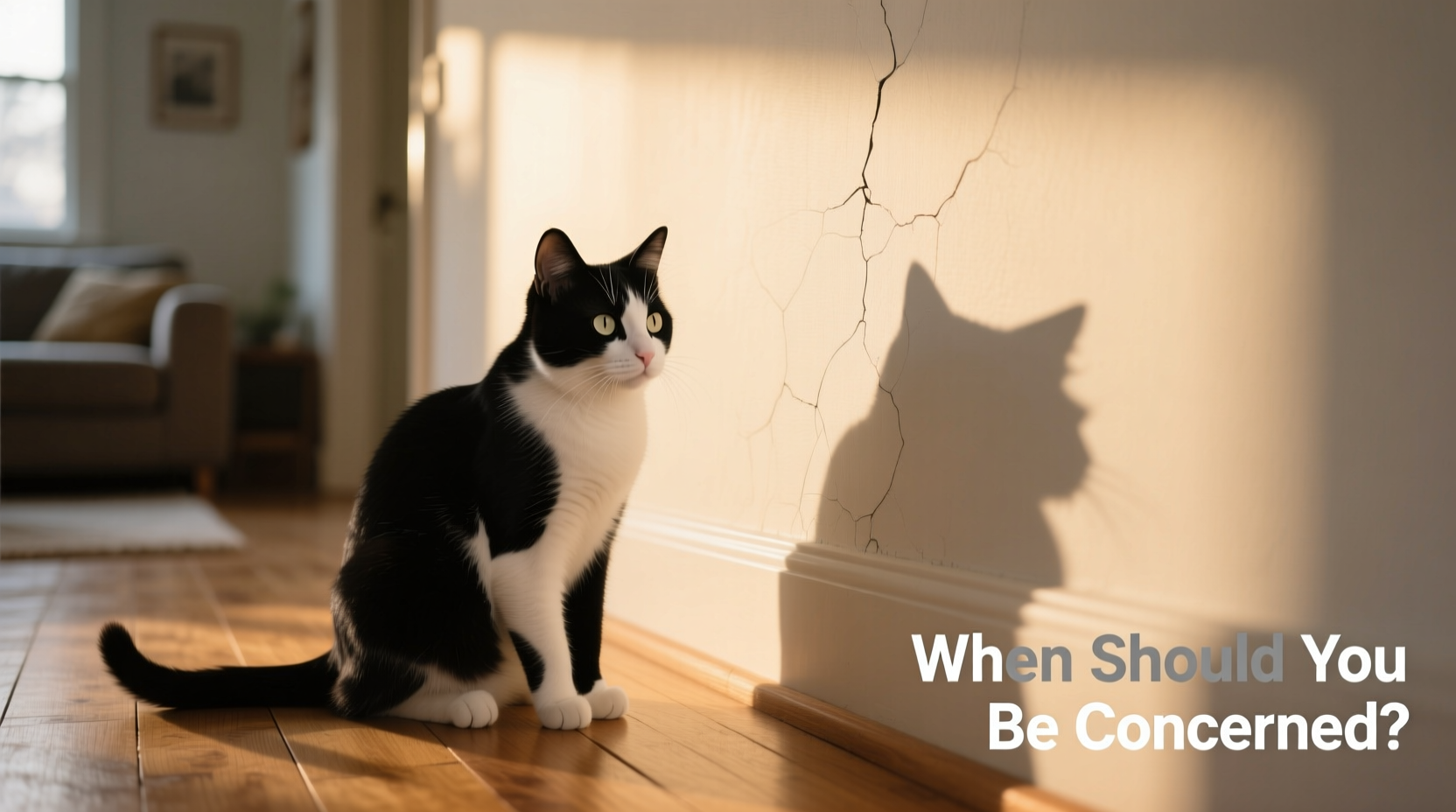
Cats perceive the world differently than humans. Their senses are finely tuned to detect movement, subtle sounds, and changes in light that we often miss. What looks like a blank wall to us may contain visual stimuli—a flickering shadow, dust particles drifting in sunlight, or even a tiny insect moving along the baseboard—that capture a cat’s attention.
Additionally, cats are predators by nature. Even well-fed indoor cats retain strong hunting instincts. A slight vibration, a draft causing a curtain to flutter, or the way light reflects off a surface can trigger their focus as if they’re tracking prey. This hyper-awareness is part of their evolutionary design. In the wild, ignoring small details could mean missing a meal or falling prey to danger.
Moreover, cats are highly observant of their environment. They notice routine changes—the placement of furniture, unfamiliar scents, or new sounds. A cat staring at a wall may simply be processing sensory input or reacting to something imperceptible to you.
Tip: Before assuming something is wrong, quietly observe the area your cat is staring at. Look for insects, drafts, reflections, or shadows that might explain the fixation.Common Non-Medical Reasons for Wall Staring
In most cases, wall-staring is not a cause for alarm. Below are several everyday explanations:
- Visual stimulation: Dust motes, spiderwebs, or light patterns can hold a cat’s attention for extended periods.
- Hunting instinct: Even indoor cats may stalk imaginary prey or react to unseen movements.
- Boredom: Lack of mental stimulation can lead to repetitive or obsessive-looking behaviors.
- Environmental changes: New paint, rearranged furniture, or construction noises might make a cat hyper-vigilant in certain areas.
- Noise sensitivity: Some cats respond to high-frequency sounds (like pipes, electronics, or rodents inside walls) by focusing intently on the source.
A study published in *Applied Animal Behaviour Science* notes that indoor cats often develop idiosyncratic routines and focal points as part of their environmental mapping. These behaviors are typically consistent and do not interfere with daily life.
“Cats are masters of observation. What seems like vacant staring may actually be deep sensory processing.” — Dr. Sarah Whittle, Feline Behavior Specialist
When Wall Staring Signals a Medical Issue
While occasional fixation is normal, persistent or unusual staring—especially when paired with other symptoms—can indicate health problems. The key is recognizing patterns and changes in behavior.
One serious condition associated with wall-gazing is feline cognitive dysfunction (FCD), similar to dementia in humans. Older cats (typically over 10 years) may begin to display disorientation, confusion, or zoning out in front of walls. They might forget litter box locations, vocalize at night, or appear “lost” in familiar spaces.
Another critical concern is seizures. Cats can experience partial (focal) seizures that don’t involve convulsions. During these episodes, a cat may sit motionless, stare blankly, twitch whiskers, drool, or paddle limbs subtly. These episodes can last seconds to minutes and may go unnoticed without careful observation.
Vision problems or hallucinations due to toxicity (e.g., exposure to certain plants or medications) can also cause odd visual behaviors. Hypertension (high blood pressure), common in older cats with kidney disease or hyperthyroidism, can lead to retinal detachment or brain changes that alter perception.
Red Flags That Warrant Veterinary Evaluation
If your cat exhibits any of the following, consult a veterinarian promptly:
- Staring spells lasting more than a few minutes with no clear trigger
- Lack of response to voice or touch during the episode
- Uncontrolled blinking, facial twitching, or drooling
- Sudden onset in a previously normal cat
- Accompanying vocalization, especially at night
- Loss of coordination, bumping into walls, or disorientation
- Changes in appetite, grooming, or litter box habits
| Behavior | Normal? | Potential Concern |
|---|---|---|
| Occasional 10–20 second gaze at wall | Yes | No |
| Staring for 2+ minutes, unresponsive | No | Yes – possible seizure or cognitive issue |
| Follows moving light or insect | Yes | No |
| Drooling or jaw chomping while staring | No | Yes – neurological episode likely |
| Occurs only at night with yowling | Possibly | Yes – could indicate hypertension or FCD |
Mini Case Study: Bella, the 12-Year-Old Tabby
Bella, a 12-year-old domestic shorthair, began spending increasing time sitting in front of the living room wall, staring without blinking. Her owner, Lisa, initially dismissed it as aging-related quirkiness. But over three weeks, the episodes grew longer—up to five minutes—and Bella started vocalizing loudly at night, pacing and meowing at doors that weren’t closed.
Lisa recorded a video of one episode and brought it to her vet. After a physical exam and blood tests, Bella was diagnosed with hypertension secondary to chronic kidney disease. Her staring episodes were likely caused by mild brain changes affecting perception. With medication to control her blood pressure and a renal-support diet, Bella’s behavior improved significantly within two weeks. Her nighttime vocalizations ceased, and the wall-staring became rare.
This case highlights the importance of early intervention. Without testing, Bella’s condition could have led to blindness or stroke.
Step-by-Step Guide: Assessing and Responding to Wall Staring
If your cat begins staring at walls frequently, follow this structured approach to determine the cause and next steps:
- Observe silently: Watch your cat without interrupting. Note duration, frequency, and body language (relaxed vs. tense).
- Scan the environment: Check for insects, drafts, reflections, or sounds near the wall.
- Record the behavior: Use your phone to capture a video. This helps veterinarians assess responsiveness and motor function.
- Check for other symptoms: Look for changes in appetite, weight, grooming, litter use, or activity level.
- Schedule a vet visit: Especially if the cat is senior or shows any red flags. Request a full panel including blood pressure, thyroid, and kidney function tests.
- Monitor after diagnosis: If a condition is identified, track improvements or setbacks and maintain regular checkups.
FAQ: Common Questions About Cat Wall Staring
Is it normal for cats to stare at walls occasionally?
Yes. Brief moments of focused attention—especially in response to subtle stimuli—are normal. As long as the cat responds normally afterward and shows no other symptoms, it’s likely just curiosity or instinct.
Can stress cause a cat to stare at walls?
Indirectly, yes. Chronic stress can lead to compulsive behaviors, including repetitive actions or hyper-fixation. However, stress alone rarely causes prolonged unresponsiveness. It’s more likely to manifest as over-grooming, hiding, or aggression.
Do cats see ghosts or spirits when they stare at walls?
There’s no scientific evidence supporting this idea. While cats have superior night vision and hearing, what appears supernatural is usually explainable by sensory perception—such as detecting small animals behind walls or reacting to electromagnetic fields from appliances.
Prevention and Environmental Enrichment
Even if your cat isn’t showing concerning symptoms, enriching their environment can reduce odd behaviors driven by boredom or anxiety. Mental stimulation helps prevent the development of compulsive habits.
Provide rotating toys, puzzle feeders, window perches, and interactive play sessions. Consider adding a second litter box or adjusting feeding schedules to create routine. For older cats, nightlights can reduce confusion in dark rooms.
A 2020 study in the *Journal of Feline Medicine and Surgery* found that cats exposed to daily enrichment activities showed 40% fewer abnormal behaviors over six months compared to controls.
Conclusion: Know Your Cat, Trust Your Instincts
Cats will always surprise us with their mysterious ways. A momentary glance at a wall is rarely cause for alarm. But when staring becomes prolonged, repetitive, or detached from surroundings, it’s time to look deeper. Health issues like hypertension, seizures, or cognitive decline don’t announce themselves dramatically—they whisper through subtle behavioral shifts.
You know your cat best. If something feels off, it probably is. Don’t dismiss changes as “just aging.” Early detection of medical conditions can dramatically improve quality of life and longevity. Whether it’s scheduling a vet check, improving environmental enrichment, or simply observing more closely, taking proactive steps ensures your feline companion remains healthy, engaged, and safe.
💬 Has your cat ever stared at a wall in a way that worried you? Share your experience in the comments—your story might help another pet owner recognize a warning sign early.








