Cats are creatures of comfort, routine, and instinct. When a feline chooses to nap in its litter box—of all places—it can be both puzzling and alarming for pet owners. The litter box is designed for elimination, not relaxation. Yet, some cats develop the habit of sleeping or lounging in this space, which often signals an underlying issue. While occasional curiosity may not be cause for concern, consistent use of the litter box as a resting spot warrants attention. This behavior typically stems from psychological, physical, or environmental stressors rather than mere quirkiness. Understanding the root causes and implementing targeted solutions can restore your cat’s sense of safety and well-being.
Understanding the Feline Mind: Why Environment Matters
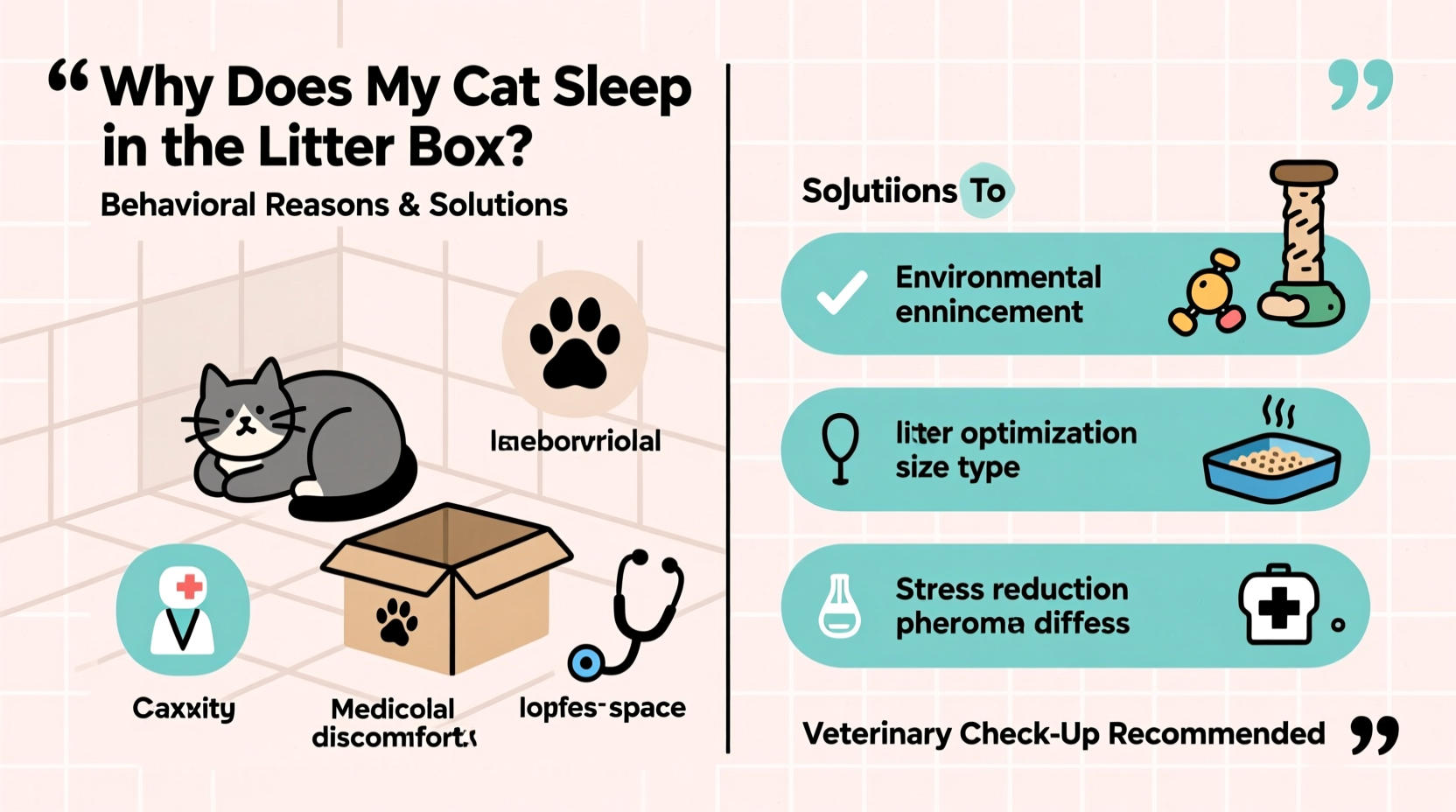
Cats are highly sensitive to changes in their surroundings. Their sense of security depends on predictability, cleanliness, and personal territory. The litter box, while associated with waste, is also one of the few spaces consistently maintained and left undisturbed in a home. For a cat experiencing anxiety or feeling vulnerable, this predictable zone may become a refuge. In multi-cat households, dominant cats may claim prime resting areas, forcing subordinate cats to seek solace in less contested spaces—even if that space is intended for bathroom use.
Additionally, kittens separated early from their mothers may associate the litter box with warmth and familiarity. The texture of litter can mimic the soft bedding they experienced during infancy, especially if the litter is fine-grained and warm. This tactile comfort, combined with the enclosed nature of many litter boxes, creates a den-like environment that feels protective to a stressed or insecure cat.
Tip: Monitor your cat’s overall behavior closely—if sleeping in the litter box is accompanied by hiding, reduced appetite, or vocalization, it may indicate deeper distress.Common Behavioral Reasons Cats Sleep in the Litter Box
Several behavioral motivations drive this unusual habit. Identifying which applies to your cat is essential for choosing the right solution.
1. Stress or Anxiety
Changes such as moving homes, new pets, loud noises, or even rearranged furniture can overwhelm a cat. The litter box, being a familiar and odor-marked location, offers a sense of control. A 2022 study published in the *Journal of Feline Medicine and Surgery* found that over 60% of cats exhibiting atypical behaviors like inappropriate resting were responding to recent household disruptions.
2. Illness or Discomfort
Cats often hide illness until symptoms become severe. Conditions like urinary tract infections, kidney disease, or arthritis can make reaching usual resting spots difficult or painful. If a cat anticipates frequent trips to the litter box due to discomfort, it may stay close by for convenience. In older cats, cognitive decline can also lead to confusion about appropriate spaces.
3. Territorial Insecurity
In homes with multiple cats, social hierarchies dictate access to resources. A lower-ranking cat may avoid shared sleeping areas to prevent conflict. The litter box, though socially neutral, becomes a “safe” solitary space. This is particularly common when litter boxes are placed in quiet, low-traffic zones.
4. Seeking Warmth or Comfort
Litter retains body heat, especially clumping clay or crystal varieties. In colder environments, a cat may find the box warmer than thin bedding elsewhere. Older or underweight cats, which struggle to regulate body temperature, are more prone to this behavior.
5. Maternal Instincts (in Unspayed Females)
An unspayed female cat may view the litter box as a nesting site, especially if she is pregnant or experiencing pseudopregnancy. The confined space mimics a den, offering privacy and protection for potential offspring.
“Cats don’t act out of defiance—they respond to their environment. When a cat sleeps in the litter box, it’s communicating a need, not misbehaving.” — Dr. Sarah Thompson, DVM, Feline Behavior Specialist
Solutions and Corrective Measures
Addressing this behavior requires a combination of environmental adjustments, medical evaluation, and behavioral support. The following strategies are proven to help redirect your cat to more appropriate resting areas.
Step-by-Step Guide to Resolving the Issue
- Rule Out Medical Causes: Schedule a veterinary visit to check for urinary infections, gastrointestinal issues, pain, or systemic illness. Blood work and urinalysis are often necessary.
- Assess Litter Box Placement: Ensure the box is in a quiet, accessible area—but not so isolated that it becomes a de facto hideout. Avoid placing it directly next to food and water.
- Add Alternative Safe Spaces: Introduce cozy beds, covered cat pods, or heated pads in low-traffic areas. Place familiar-smelling items (like worn clothing) nearby to encourage use.
- Increase Litter Box Availability: Follow the “n+1” rule—one box per cat, plus one extra—to reduce competition and stress.
- Improve General Enrichment: Provide vertical spaces (cat trees), interactive toys, and daily play sessions to boost confidence and reduce anxiety.
- Gradually Discourage Litter Box Napping: Gently remove your cat when caught sleeping there and redirect to a preferred bed. Never punish—this increases fear.
- Use Pheromone Diffusers: Products like Feliway mimic calming facial pheromones and can reduce stress-related behaviors in multi-cat or high-change households.
Tips for Multi-Cat Households
- Ensure each cat has its own designated resources: food bowls, water stations, resting spots, and litter boxes.
- Monitor interactions for signs of bullying or avoidance.
- Introduce new cats gradually using scent-swapping and controlled visual exposure.
Do’s and Don’ts: Quick Reference Table
| Do’s | Don’ts |
|---|---|
| ✔ Schedule a vet check-up promptly | ✘ Ignore the behavior as “just weird” |
| ✔ Provide multiple quiet resting areas | ✘ Punish or yell at your cat |
| ✔ Clean the litter box daily | ✘ Use strong-scented cleaners near the box |
| ✔ Use Feliway or similar calming aids | ✘ Move the litter box abruptly |
| ✔ Observe other behavioral changes | ✘ Assume it’s only a phase |
Real-Life Example: Luna’s Story
Luna, a 3-year-old domestic shorthair, began sleeping in her litter box after her family adopted a second cat, Milo. Initially, the owners thought Luna was adjusting normally, but when she started avoiding her favorite window perch and grooming less, they grew concerned. After ruling out medical issues, a behaviorist observed that Milo had begun guarding the living room cat tree—a primary resting area. Luna, being more timid, retreated to the basement litter box, the only place she wasn’t challenged.
The solution involved adding a second cat tree in a separate room, placing Luna’s food and bed nearby, and using a Feliway diffuser. Within two weeks, Luna stopped using the litter box for naps and reclaimed her confidence. This case highlights how subtle social dynamics can manifest in unexpected behaviors.
Prevention Checklist
To prevent recurrence or stop the behavior before it becomes habitual, follow this checklist:
- ✅ Spay or neuter your cat to reduce territorial and hormonal behaviors
- ✅ Maintain a consistent daily routine (feeding, play, cleaning)
- ✅ Offer at least three different types of resting spots (open, enclosed, elevated)
- ✅ Clean litter boxes thoroughly every day—cats are fastidious
- ✅ Rotate toys weekly to maintain mental stimulation
- ✅ Introduce changes slowly (new people, pets, furniture)
- ✅ Monitor interactions between pets for signs of stress
Frequently Asked Questions
Is it dangerous if my cat sleeps in the litter box?
While not immediately dangerous, prolonged exposure to ammonia from urine-soaked litter can irritate respiratory passages, especially in kittens or cats with asthma. More importantly, the behavior itself indicates emotional or physical distress that should be addressed.
Could this mean my cat doesn’t like her bed?
Possibly. Some cats dislike certain textures or locations. Try offering beds with different materials—plush, orthopedic, or self-warming—and place them in various quiet zones to see what your cat prefers.
Will getting another litter box solve the problem?
Adding a second box may help in multi-cat homes by reducing competition, but it won’t resolve the core issue if stress, illness, or lack of safe spaces is the cause. Always combine additional resources with behavioral and environmental improvements.
Conclusion: Rebuilding Trust and Comfort
A cat sleeping in its litter box is not being strange—it’s sending a message. Whether driven by fear, pain, or insecurity, this behavior reflects a disruption in the cat’s sense of safety. With patience, observation, and proactive care, most cats can be gently guided back to healthier routines. The key lies in empathy: seeing the world from your cat’s perspective and addressing needs before they escalate into persistent habits.
Start today by evaluating your cat’s environment, scheduling a vet visit if needed, and enriching their space with comforting alternatives. Small changes can have profound effects on feline well-being. Your cat relies on you to interpret their silent cues—responding with compassion ensures a happier, healthier life together.
💬 Have you noticed your cat sleeping in the litter box? Share your experience or questions below—we’re here to help you understand and support your feline friend.








