Cats are naturally vocal animals, but when meowing becomes constant, loud, or occurs at odd hours, it can leave owners puzzled—and sometimes frustrated. While occasional meows are part of normal feline communication, excessive vocalization may signal underlying physical, emotional, or environmental issues. Understanding the root causes behind your cat’s persistent meowing is the first step toward restoring peace and ensuring your pet's well-being.
Common Reasons Cats Meow Excessively
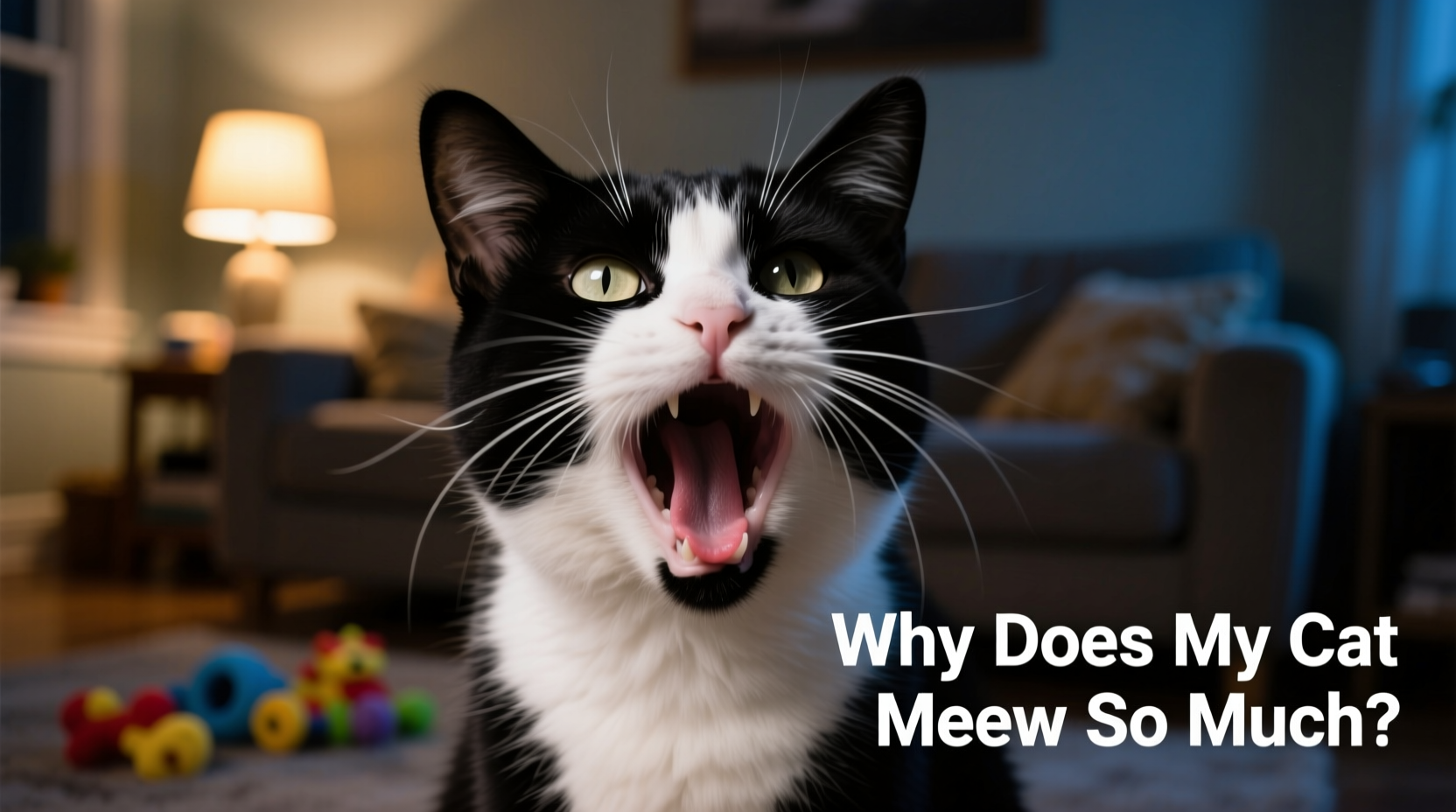
Cats use meowing primarily to communicate with humans, not other cats. Kittens meow to their mothers, but adult cats typically reserve this behavior for people. When a cat meows frequently, it's often trying to convey a need or emotion. Common reasons include:
- Hunger or thirst: Many cats learn that meowing near feeding time results in food—especially if they’ve been rewarded for it before.
- Attention-seeking: Cats crave interaction. If ignored, some will escalate their vocalizations to get noticed.
- Stress or anxiety: Changes in environment, new pets, or household disruptions can trigger increased meowing.
- Medical issues: Pain, hyperthyroidism, kidney disease, or cognitive decline in older cats can lead to vocalization.
- Loneliness: Indoor-only cats left alone for long periods may meow out of boredom or isolation.
- Mating behavior: Unspayed females in heat often yowl loudly and persistently.
When Excessive Meowing Signals Health Problems
Not all meowing is about demands or attention. Sometimes, frequent vocalization is a red flag for illness. Senior cats, in particular, may meow excessively due to age-related conditions.
Hyperthyroidism, a common disorder in older cats, increases metabolism and can cause restlessness and loud, insistent meowing. Cognitive dysfunction syndrome (similar to dementia in humans) may lead to confusion, disorientation, and nighttime yowling. Urinary tract infections, arthritis, and dental pain can also prompt vocal expressions of discomfort.
“Cats are masters at hiding pain. A sudden change in vocalization—especially in older cats—should always prompt a veterinary evaluation.” — Dr. Lena Patel, Feline Veterinarian & Behavior Specialist
Warning Signs That Warrant a Vet Visit
- Meowing more at night than during the day
- Sudden onset of loud, urgent-sounding cries
- Meowing accompanied by pacing, restlessness, or litter box accidents
- Loss of appetite, weight loss, or changes in grooming habits
- Vocalizing while using the litter box (possible pain)
Behavioral Causes and Environmental Triggers
Even healthy cats may develop habits of excessive meowing due to their environment or learned behaviors. For example, a cat that receives treats or petting every time it meows has been positively reinforced to continue the behavior.
Environmental stressors such as moving homes, introducing a new pet, or even rearranging furniture can unsettle sensitive cats. Some breeds—like Siamese and Orientals—are naturally more vocal, but even within these breeds, a dramatic increase in meowing should be investigated.
| Cause | Signs | Solution |
|---|---|---|
| Hunger | Meows around mealtime, follows you to kitchen | Stick to a consistent feeding schedule |
| Attention-seeking | Meows when you're on the phone or working | Provide enrichment and scheduled playtime |
| Stress | New meowing after a change, hiding, over-grooming | Gradual reintroduction, calming aids, safe spaces |
| Medical issue | Night yowling, lethargy, vocalizing in pain | Veterinary exam and diagnostics |
| Boredom | Meows during idle times, destructive behavior | Interactive toys, window perches, puzzle feeders |
How to Reduce Excessive Meowing: A Step-by-Step Guide
Addressing excessive meowing requires patience and consistency. Follow this timeline to identify and resolve the issue effectively.
- Week 1: Observe and Record
Keep a log of when your cat meows, how long it lasts, and what happens right before and after. Note any patterns—such as nighttime episodes or post-meal vocalization. - Week 2: Rule Out Medical Issues
Schedule a vet visit. Blood work, urinalysis, and a physical exam can detect conditions like hyperthyroidism, kidney disease, or dental problems. - Week 3: Evaluate the Environment
Assess recent changes. Has there been a new pet, person, or routine shift? Create a calm space with hiding spots, scratching posts, and vertical territory. - Week 4: Modify Reinforcement
Stop rewarding meowing with attention or food. Instead, wait for quiet moments to give affection or treats. This teaches your cat that silence gets results. - Ongoing: Enrichment and Routine
Implement daily play sessions, food puzzles, and interactive toys. A tired cat is less likely to meow out of boredom.
Mini Case Study: Bella, the Nighttime Yowler
Bella, a 12-year-old domestic shorthair, began waking her owners every night between 2 a.m. and 4 a.m., pacing and meowing loudly. Her family initially assumed she wanted food, so they fed her, reinforcing the behavior. After weeks of sleepless nights, they consulted a veterinarian.
Blood tests revealed elevated T4 levels—indicating hyperthyroidism. After starting medication, Bella’s nighttime vocalizations decreased significantly within two weeks. Her owners also introduced a dusk-to-dawn LED light and evening play session to regulate her sleep cycle. Within a month, the household was sleeping peacefully again.
This case highlights how medical and behavioral factors often coexist—and why a comprehensive approach yields the best results.
Prevention Checklist: Managing Your Cat’s Vocal Habits
Use this checklist to proactively prevent or reduce excessive meowing:
- ✅ Schedule annual vet checkups, especially for cats over 7 years old
- ✅ Feed on a consistent schedule using timed feeders if needed
- ✅ Provide mental stimulation with puzzle toys and climbing structures
- ✅ Avoid reinforcing meowing with attention or treats
- ✅ Create a secure, enriched environment with hiding places and window access
- ✅ Spay or neuter your cat to reduce mating-related vocalizations
- ✅ Use pheromone diffusers (like Feliway) in high-stress situations
Frequently Asked Questions
Why does my cat meow at night?
Cats are naturally crepuscular—most active at dawn and dusk—but excessive nighttime meowing can stem from hunger, loneliness, or medical issues like hyperthyroidism or cognitive decline. Older cats are especially prone to nocturnal vocalization due to confusion or discomfort.
Is it normal for my cat to meow constantly after a move?
Yes, temporarily. Relocation is highly stressful for cats. Increased meowing after a move is a sign of anxiety or disorientation. Give your cat time to adjust, provide familiar items (like bedding), and create a quiet sanctuary room. Most cats settle within a few days to a couple of weeks.
Can I train my cat to stop meowing so much?
You can’t eliminate meowing entirely—it’s natural communication—but you can reduce demand-based or attention-seeking vocalizations. Use positive reinforcement for quiet behavior, ignore meowing for attention, and ensure your cat’s physical and emotional needs are met consistently.
Conclusion: Listening Beyond the Meow
Excessive meowing isn’t just noise—it’s a message. Whether your cat is expressing hunger, fear, pain, or simply seeking connection, each meow holds meaning. By observing patterns, ruling out health concerns, and adjusting care strategies, you can address the root cause and improve both your cat’s quality of life and your home’s harmony.
💬 Have a talkative cat? Share your story or tips in the comments below—your experience could help another cat owner find peace and understanding.








