Cat owners often find themselves on the receiving end of a peculiar yet oddly comforting behavior: their feline companion rhythmically pressing their paws into their lap, alternating between front feet as if working dough. This action, known as kneading, is common across breeds and ages, yet many pet parents wonder—what does it mean? Is it a sign of affection, stress, or instinctual behavior? More importantly, what are the emotional and physical benefits—for both the cat and the human—when this ritual occurs?
Kneading is more than just a quirky habit; it’s a deeply rooted behavior with origins in kittenhood, tied to survival, comfort, and bonding. Understanding its roots can deepen the connection between cats and their caregivers while also offering insight into feline psychology and well-being.
The Origins of Kneading: A Behavior from Kittenhood
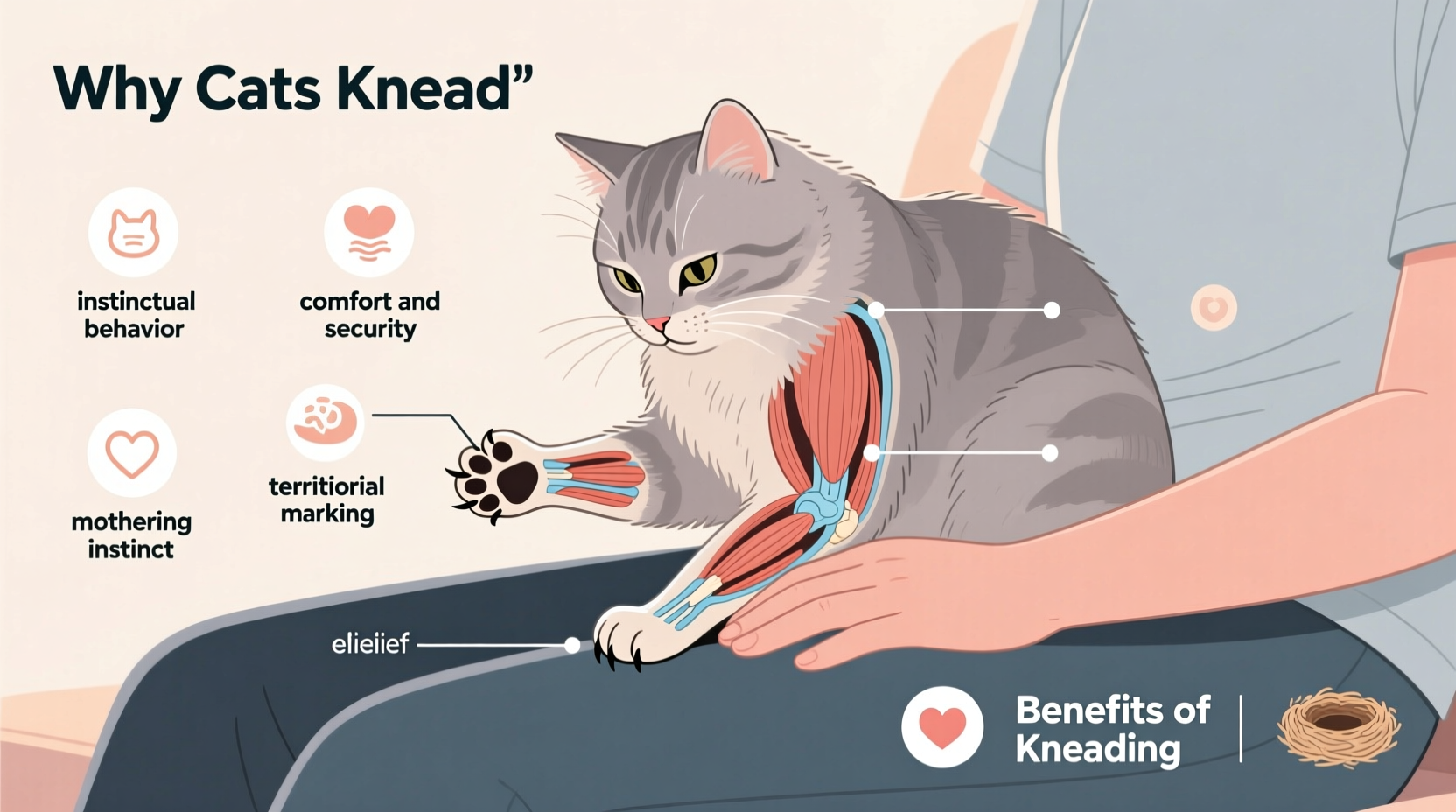
Kneading begins when kittens are just days old. During nursing, newborn cats use their front paws to press against their mother’s mammary glands. This motion stimulates milk flow, ensuring they receive adequate nourishment. The action is both functional and soothing—the warmth of the mother’s body, the rhythmic movement, and the taste of milk create a multisensory experience that becomes associated with safety and satisfaction.
As cats mature, they often retain this behavior even though it no longer serves a nutritional purpose. Adult cats may knead soft surfaces like blankets, pillows, or their owner’s lap. The act triggers memories of early comfort and security, effectively serving as a self-soothing mechanism. In behavioral terms, this is an example of a “reverted” or “neotenic” behavior—one retained from youth into adulthood due to its emotional reinforcement.
“Kneading is one of the clearest examples of how early life experiences shape adult feline behavior. It’s not just nostalgia—it’s a physiological reset button for stress.” — Dr. Lena Torres, Feline Behavioral Scientist, Cornell Feline Health Center
What Kneading Communicates Emotionally
While kneading originated as a survival tactic, in domestic cats, it has evolved into a complex form of nonverbal communication. When your cat chooses to knead your lap, it’s conveying several emotional messages simultaneously:
- Trust and Safety: Your cat feels secure enough to expose vulnerable body parts (belly, face) and engage in a defenseless activity.
- Affection: Kneading often occurs during close contact, such as when being petted or resting beside you. It’s a tactile expression of attachment.
- Contentment: Cats typically knead when relaxed. Purring, half-closed eyes, and slow blinking often accompany the behavior, signaling deep comfort.
- Marking Territory: Cats have scent glands in the pads of their paws. Kneading deposits their unique pheromones onto you, marking you as part of their safe, familiar environment.
This combination of emotional signals makes kneading a powerful indicator of your cat’s psychological state. Unlike behaviors driven by anxiety or fear, kneading in a calm context reflects positive emotional regulation.
Tip: If your cat starts kneading after a stressful event—like a loud noise or visitor—this is a good sign they’re using learned comfort behaviors to self-regulate.Physical and Psychological Benefits of Kneading
While kneading may seem purely symbolic, it carries tangible health and wellness benefits for cats—and surprisingly, for humans too.
For the Cat
Kneading provides mild physical exercise, engaging muscles in the shoulders, forelimbs, and paws. For indoor cats with limited activity, this repetitive motion helps maintain joint flexibility and paw sensitivity. Additionally, the rhythmic nature of kneading can have a meditative effect, lowering heart rate and reducing cortisol levels—similar to how humans might benefit from rocking or repetitive hand movements.
From a psychological standpoint, kneading reinforces positive associations with caregivers and environments. When a cat kneads and receives gentle petting or verbal praise in return, the behavior is positively reinforced, strengthening the human-animal bond.
For the Human
Believe it or not, being the recipient of cat kneading can offer measurable mental health benefits. The combination of warmth, rhythmic pressure, and purring creates a multisensory calming effect. Studies have shown that interacting with cats can reduce blood pressure, decrease anxiety, and increase oxytocin levels—the so-called “love hormone.”
In therapeutic settings, cats that knead during sessions are often noted to enhance the relaxation response in patients. The predictability and gentleness of the motion mimic mindfulness practices, helping individuals stay present and grounded.
When Kneading Becomes Uncomfortable: Managing Claws and Pressure
Despite its benefits, kneading isn’t always comfortable—especially when claws are involved. Sharp nails digging into your leg can turn a sweet moment into a painful one. However, this doesn’t mean you need to discourage the behavior entirely. With proper management, you can preserve the emotional value of kneading while minimizing discomfort.
Tip: Keep your cat’s nails trimmed every 10–14 days to prevent painful kneading without stopping the behavior.Practical Solutions for Pain-Free Kneading
- Use a barrier: Place a thick blanket, pillow, or specially designed cat kneading mat over your lap to cushion the pressure.
- Train gently: When your cat starts kneading, redirect their paws onto a nearby soft toy or cushion. Reward them with treats when they comply.
- Press back lightly: Some cats respond well when you gently press back on their paws—this mimics the feedback they’d get from their mother and may signal that pressure is too intense.
- Consider nail caps: Soft vinyl nail covers (like Soft Paws) can be applied safely and last 4–6 weeks, eliminating scratching risks.
| Solution | Effectiveness | Best For |
|---|---|---|
| Nail Trimming | High | All cats, especially long-haired breeds |
| Lap Blanket | Medium-High | Owners who knead frequently |
| Nail Caps | Very High | Cats resistant to trimming or training |
| Redirection Training | Medium | Younger, trainable cats |
Case Study: How Kneading Helped Reduce Anxiety in a Rescue Cat
Milo, a three-year-old domestic shorthair, was adopted from a shelter after being found stray. Initially, he was skittish, avoiding contact and hiding under furniture. His new owner, Sarah, followed a gradual bonding protocol—using treats, quiet spaces, and consistent routines.
After six weeks, Milo began sitting near Sarah on the couch. One evening, as she gently stroked his back, he slowly climbed onto her lap, sniffed, then began kneading vigorously—claws extended. Though it stung, Sarah stayed still, speaking softly. Over time, these sessions became nightly rituals. She started placing a fleece blanket on her lap and began trimming Milo’s nails weekly.
Within two months, Milo not only kneaded regularly but also purred, blinked slowly, and fell asleep in her presence. His veterinarian noted a significant drop in stress-related behaviors, such as overgrooming and litter box avoidance. For Milo, kneading wasn’t just a throwback to kittenhood—it was a bridge to emotional recovery.
This real-life example illustrates how kneading can serve as both a symptom of healing and a tool for it. When met with patience and understanding, the behavior can accelerate trust-building in traumatized cats.
Frequently Asked Questions
Is kneading a sign that my cat wants food or attention?
Not usually. While some cats may combine kneading with meowing to solicit attention, kneading itself is typically self-directed and rooted in comfort rather than demand. If your cat kneads silently while purring, it’s likely expressing contentment, not requesting something.
Why does my cat drool when kneading?
Drooling during kneading is common and generally harmless. It’s often linked to extreme relaxation and nostalgic feelings from kittenhood, when sucking and swallowing were part of feeding. As long as the drool isn’t excessive or accompanied by illness symptoms, it’s a sign of deep comfort.
Do all cats knead, or is it breed-specific?
Most cats knead at some point, though frequency varies. Some stop as adults; others continue lifelong. There’s no strong breed correlation, though early weaning or lack of maternal contact may reduce the likelihood of persistent kneading. Personality plays a bigger role—affectionate, confident cats tend to knead more.
How to Encourage Healthy Kneading Behavior
If you want to support your cat’s natural instincts in a safe, enjoyable way, consider the following checklist:
- Provide soft, textured surfaces (blankets, beds, cushions) in quiet areas where your cat can knead undisturbed.
- Maintain a regular nail care routine to prevent injury during kneading.
- Avoid punishing or pushing your cat away when they knead—even if uncomfortable, sudden rejection can damage trust.
- Use positive reinforcement: reward calm kneading with gentle words or chin scratches.
- Introduce pheromone diffusers (like Feliway) in shared spaces to enhance overall relaxation and encourage bonding behaviors.
“Encouraging natural behaviors like kneading reduces stress-related disorders in cats. It’s not just cute—it’s preventive medicine.” — Dr. Rajiv Mehta, DVM, American Association of Feline Practitioners
Conclusion: Embrace the Push-Push
Kneading is far more than a leftover kitten habit. It’s a window into your cat’s emotional world—a blend of memory, trust, and tactile communication. When your cat presses their paws into your lap, they’re not just reliving infancy; they’re affirming that you are their source of safety and love.
The benefits extend beyond sentiment. For cats, kneading supports physical health and emotional regulation. For humans, it fosters connection, reduces stress, and enhances daily well-being. By understanding and accommodating this behavior—through nail care, supportive surfaces, and patient responsiveness—you nurture a deeper, more empathetic relationship with your feline companion.
💬 Does your cat knead? Share your story or tips in the comments—your experience could help another cat owner build a stronger bond with their furry friend.








