
There’s a quiet magic in the moment your cat curls into your lap, begins rhythmically pushing its paws against your leg, and fills the room with a deep, resonant purr. This familiar behavior—kneading combined with loud purring—is more than just a quirk; it’s a complex expression of instinct, comfort, and emotional connection. While it may seem simple, decoding what your cat is truly communicating can deepen your bond and offer insight into their inner world.
Understanding this behavior requires looking back to kittenhood, examining evolutionary instincts, and recognizing the emotional signals cats use when they feel safe and content. Far from random, kneading and purring together form a language all their own—one rooted in survival, affection, and trust.
The Origins of Kneading: A Behavior Born in Kittenhood
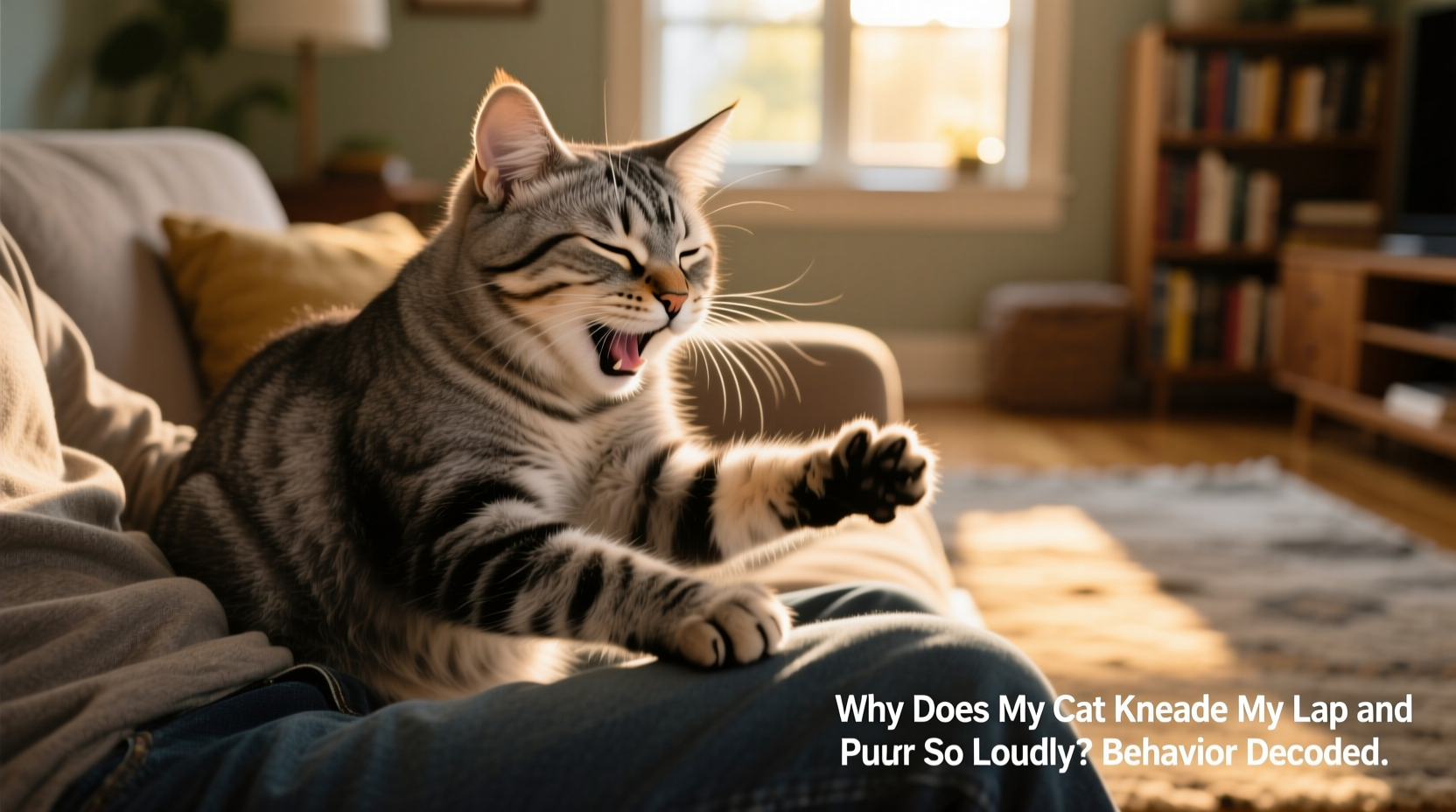
Kneading, often referred to as “making biscuits,” traces back to a cat’s earliest days. Newborn kittens instinctively press their tiny paws against their mother’s mammary glands to stimulate milk flow. This rhythmic motion is essential for nourishment and survival. Over time, the action becomes associated not just with food, but with warmth, safety, and maternal care.
Even as adult cats, many retain this juvenile behavior. When your cat kneads your lap, it’s likely reliving those early feelings of comfort and security. The act itself triggers a neurological response linked to positive memories, effectively transporting them back to a time when all needs were met by their mother.
This carryover from kittenhood explains why kneading often occurs during moments of relaxation or before sleep—it’s a self-soothing mechanism. The behavior is especially common in cats who were weaned early or had strong bonds with their mothers, suggesting that the emotional imprint of nursing remains powerful throughout life.
Tip: If your cat kneads aggressively, gently place a soft blanket over your lap to protect your skin while still encouraging the comforting behavior.The Science Behind Purring: More Than Just Contentment
Purring is one of the most distinctive sounds a cat makes, and while it’s commonly associated with happiness, its function is far more nuanced. Cats produce purrs at frequencies between 25 and 150 Hertz—a range shown in studies to promote healing in bones, muscles, and tissues. This suggests that purring may serve both social and physiological purposes.
Loud purring during kneading typically indicates a high level of contentment. The combination of tactile stimulation (kneading) and vocalization (purring) amplifies the sense of well-being. But purring isn’t exclusive to happy moments. Cats also purr when stressed, injured, or in pain—possibly as a self-calming mechanism or even a way to initiate tissue repair.
“Purring is a multifunctional tool in a cat’s behavioral repertoire. It communicates safety to kittens, soothes anxiety, and may even support physical recovery.” — Dr. Sarah Ellis, Feline Behavior Scientist, University of Lincoln
When your cat purrs loudly while kneading your lap, it’s a strong indicator that they feel profoundly secure. The volume often correlates with the depth of emotional satisfaction—they’re not just relaxed; they’re expressing a full-body state of peace.
Why the Lap? Decoding Territory, Bonding, and Scent Marking
Choosing your lap as the stage for this ritual is no accident. Cats are highly territorial animals, and they use scent glands located in their paw pads to mark objects—and people—they consider part of their safe space. Each time your cat presses down, they’re depositing pheromones that signal ownership and familiarity.
In essence, your lap becomes a marked zone of trust. By kneading you, your cat is saying, “This is mine, and I am safe here.” This behavior reinforces social bonds, particularly in multi-pet households where scent marking helps reduce tension.
Additionally, body heat plays a role. Humans emit warmth, mimicking the cozy environment of a nursing nest. Combined with the gentle pressure of your presence, your lap offers a sensory experience that closely replicates the conditions of kittenhood.
| Behavior | Biological Purpose | Emotional Meaning |
|---|---|---|
| Kneading | Stimulates milk flow in kittens; retains muscle memory | Comfort, nostalgia, bonding |
| Loud Purring | Self-soothing, healing vibrations, communication | Deep contentment or stress relief |
| Lap Selection | Scent marking via paw glands | Trust, territorial inclusion, affection |
When Kneading Turns Painful: Managing Claws and Overstimulation
While kneading is a sign of affection, sharp claws can make the experience less enjoyable for owners. Some cats become so engrossed in the act that they extend their claws unconsciously, leading to discomfort or minor scratches.
Rather than discouraging the behavior entirely—which could disrupt your cat’s emotional regulation—consider these practical adjustments:
- Regularly trim your cat’s claws to minimize sharpness.
- Use a thick blanket or cushion as a barrier between your skin and their paws.
- Train your cat to associate kneading with a specific soft surface, like a plush mat.
- Redirect overstimulated kneading by offering a stuffed toy or heated cat bed.
It’s also important to watch for signs of overstimulation. Even in moments of apparent bliss, some cats may suddenly bite or swat after prolonged petting or kneading. This reaction—often called “petting-induced aggression”—occurs when sensory input becomes overwhelming. Respecting your cat’s limits ensures that bonding moments remain positive for both of you.
Step-by-Step Guide: Creating a Kneading-Friendly Environment
- Observe Your Cat’s Routine: Note when and where kneading typically occurs—after meals, during naps, or when you sit down.
- Introduce a Designated Kneading Surface: Place a soft, washable blanket or fleece pad on your usual seating spot.
- Encourage Use with Positive Reinforcement: Gently guide your cat onto the fabric and reward calm kneading with verbal praise or treats.
- Trim Claws Weekly: Maintain claw length to prevent discomfort without interfering with natural scratching behavior.
- Maintain Consistency: Use the same material and location to build a reliable association.
Real-Life Example: Bella and the Midnight Kneading Ritual
Sarah, a cat owner from Portland, noticed that her rescue cat Bella would climb onto her lap every night at 10 p.m., knead vigorously for ten minutes, and then settle into a thunderous purr before falling asleep. At first, Sarah found the claw pressure painful and tried to discourage the habit. But after learning about the emotional significance of kneading, she changed her approach.
She began placing a sherpa-lined throw on her favorite chair and started trimming Bella’s claws weekly. Within two weeks, Bella adapted to the new routine, using the blanket exclusively. “It’s become our ritual,” Sarah says. “I used to see it as a nuisance. Now I realize it’s her way of saying, ‘I’m home.’”
Bella, adopted at six months old after being orphaned early, likely missed extended nursing time. Her nightly kneading appears to be a compensatory behavior—a way to reclaim the comfort she never fully experienced.
Do’s and Don’ts of Responding to Kneading and Purring
| Action | Do | Don’t |
|---|---|---|
| Reacting to kneading | Gently stroke your cat, speak softly, provide a soft surface | Push them away abruptly or scold them |
| Managing claws | Trim regularly, use protective covers if needed | Declaw your cat or punish scratching |
| During loud purring | Respect their space; avoid overhandling | Assume they always want interaction—some cats purr while seeking solitude |
| If they stop suddenly | Check for signs of discomfort or overstimulation | Force continued contact; give them space to reset |
Frequently Asked Questions
Is kneading a sign of dominance?
No. Kneading is not an act of dominance but rather a regressive, comforting behavior rooted in infancy. It reflects emotional safety, not control. Cats don’t knead to assert authority; they do it when they feel submissive and protected.
Why does my cat drool while kneading and purring?
Drooling during intense kneading and purring is common and usually harmless. It’s often linked to extreme relaxation, reminiscent of kittenhood when sucking and swallowing accompanied nursing. As long as there are no signs of illness, drooling is a sign of deep contentment.
Can older cats start kneading later in life?
Yes. While most cats begin kneading as kittens, some adopt the behavior later, especially after forming strong attachments or undergoing stress reduction. A previously anxious cat may start kneading once they feel secure in a new home, indicating improved emotional well-being.
Conclusion: Embracing the Biscuit-Making Ritual
The sight of your cat rhythmically pressing their paws into your lap, accompanied by a purr that vibrates through your chest, is more than a cute habit—it’s a profound gesture of trust. In a world where cats often mask vulnerability, this behavior is a rare window into their emotional core. It speaks of safety, love, and the enduring power of early bonds.
By understanding the instincts behind kneading and the complexity of purring, you’re better equipped to respond with empathy and care. Whether you’re protecting your skin with a cozy blanket or simply sitting still to honor your cat’s moment of peace, you’re participating in a ritual millions of years in the making.
💬 Your cat’s kneading might be their love language. How do you respond? Share your stories and tips with fellow cat lovers in the comments below.








