Cat owners often find themselves both charmed and perplexed when their feline companion climbs onto their lap and begins rhythmically pushing their paws into their legs—sometimes with claws extended, occasionally leaving behind tiny pinpricks or even scratches. This behavior, known as \"kneading,\" is common among domestic cats, but when it turns aggressive, it can raise questions about comfort, communication, and emotional state. Is this a loving gesture rooted in kittenhood? A sign of anxiety? Or could it indicate an underlying issue needing attention?
Understanding the reasons behind aggressive kneading helps strengthen the bond between you and your cat while ensuring their physical and emotional well-being. This article explores the biological, psychological, and environmental factors influencing this behavior, offering actionable guidance for managing intensity and interpreting what your cat is truly trying to say.
The Origins of Kneading: A Behavior from Kittenhood
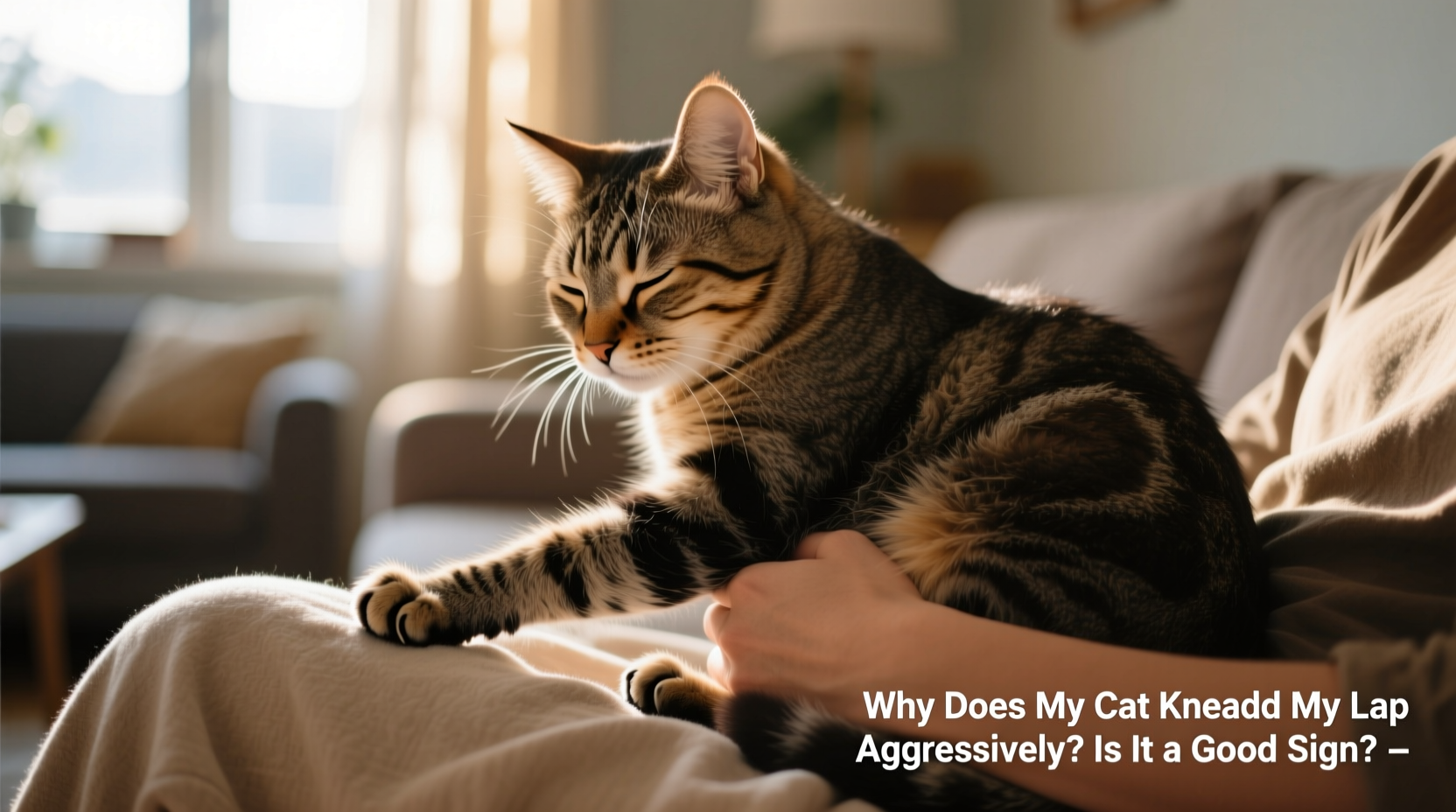
Kneading is instinctual. From the moment they’re born, kittens use their front paws to press against their mother’s mammary glands to stimulate milk flow. This repetitive motion becomes associated with warmth, nourishment, safety, and comfort. As cats grow, many continue kneading into adulthood—a carryover from early life experiences that evokes feelings of security and contentment.
When adult cats knead on soft surfaces like blankets, pillows, or human laps, they are often reliving that sense of calm and connection. The act releases endorphins, which may explain why cats sometimes purr, drool, or appear trance-like during kneading sessions.
“Kneading is one of the most enduring vestiges of kitten behavior in adult cats. It reflects deep emotional comfort and trust.” — Dr. Sarah Thompson, Feline Behavioral Specialist
However, not all kneading is gentle. Some cats apply significant pressure, extend sharp claws, or alternate between soft presses and forceful jabs. This variation leads many owners to wonder: Is my cat hurting me on purpose? Does this mean they’re stressed or angry?
Why Does Kneading Become Aggressive?
Aggressive kneading doesn’t necessarily imply aggression in the emotional sense. Instead, “aggressive” here refers to the physical intensity—the force, frequency, and claw usage involved. Several interrelated factors contribute to heightened kneading behavior:
- Breed tendencies: Certain breeds, such as Siamese, Maine Coons, and Ragdolls, are more prone to vigorous kneading due to strong maternal bonding instincts.
- Lack of nail maintenance: Untrimmed claws increase discomfort for humans without changing the cat’s intent.
- Overstimulation: Cats can become hyper-aroused during petting or lap time, causing them to intensify kneading as a self-soothing mechanism.
- Marking territory: Cats have scent glands in their paw pads. Kneading deposits pheromones, marking you as part of their safe space—sometimes done assertively.
- Anxiety or insecurity: In some cases, excessive or forceful kneading emerges when a cat feels uncertain about their environment or routine changes.
Signs That Kneading Is Positive vs. Problematic
Distinguishing between affectionate kneading and problematic behavior is crucial. While context matters, observing accompanying body language provides clarity. Below is a comparison table summarizing key indicators:
| Behavioral Cue | Affectionate Kneading | Problematic/Aggressive Sign |
|---|---|---|
| Purring | Consistent, relaxed purring throughout | Absent or interrupted by growling/hissing |
| Body Posture | Loose muscles, head up or gently resting | Tense tail flicking, flattened ears |
| Eyes | Semi-closed or blinking slowly | Dilated pupils, staring intensely |
| Claw Usage | May extend claws slightly but retracts easily | Prolonged digging, refusal to stop despite cues |
| Response to Touch | Enjoys petting; leans into contact | Pushes away, bites, or swats after seconds |
If your cat exhibits mostly positive signals—even if the kneading feels rough—it’s likely a sign of deep attachment. However, if negative cues accompany the behavior, especially sudden shifts in demeanor, further observation or veterinary consultation may be warranted.
Managing Aggressive Kneading: A Step-by-Step Guide
Even when rooted in affection, intense kneading can cause discomfort or minor injuries. Rather than suppressing the behavior entirely—which may increase stress—use these steps to manage it humanely and effectively:
- Provide a designated kneading surface: Place a thick, washable blanket or cushion on your lap before sitting down. Train your cat to associate this texture with kneading time.
- Trim claws regularly: Use cat-specific clippers every two weeks. Focus only on the translucent tip, avoiding the pink quick.
- Redirect before escalation: If your cat starts kneading too hard, gently lift them and guide their paws to a nearby soft toy or scratching pad.
- Use double-layer clothing: Wearing denim or thicker fabrics reduces skin penetration during sessions.
- Introduce nail caps: Soft vinyl caps (like Soft Paws) can be applied every 4–6 weeks to prevent scratching while allowing natural movement.
- End on a positive note: Reward calm disengagement with treats or praise to reinforce gentle behavior.
Real-Life Example: Luna the Overstimulated Tabby
Maria adopted Luna, a three-year-old domestic shorthair, six months ago. Initially, Luna would curl up quietly on her lap. But over time, she began kneading aggressively—claws out, purring loudly, yet drawing blood through Maria’s leggings. Concerned, Maria consulted a feline behaviorist.
After reviewing video footage, the expert noted that Maria often petted Luna continuously for 15+ minutes, despite subtle signs of overstimulation: tail twitching and skin rippling along the back. The aggressive kneading was Luna’s way of coping—she wanted closeness but felt overwhelmed.
The solution? Shorter, more intentional interaction windows. Maria started limiting petting to 3–5 minutes, watching closely for early stress cues. She placed a fleece mat on her lap and rewarded Luna for using it. Within four weeks, Luna’s kneading softened significantly, and claw-related injuries ceased.
This case illustrates how seemingly aggressive behavior often stems from miscommunication rather than malice. With patience and adjustment, harmony can be restored.
When to Be Concerned: Red Flags Beyond Normal Kneading
While kneading is generally harmless, certain patterns suggest deeper issues:
- Sudden onset in older cats: If a previously non-kneading cat begins intense pawing, rule out pain or cognitive decline.
- Self-directed kneading: Repeatedly pressing on their own body or flank may indicate gastrointestinal discomfort.
- Excessive vocalization: Yelping or crying during kneading warrants a vet visit to check for joint pain or arthritis.
- Obsessive repetition: Performing the motion for hours daily could signal compulsive disorder, especially in under-stimulated environments.
In these cases, a veterinary examination is essential. Medical conditions like hyperesthesia syndrome (a neurological sensitivity disorder) can mimic behavioral problems but require specific treatment.
Frequently Asked Questions
Is aggressive kneading a sign of dominance?
No. Cats don’t knead to assert dominance. The behavior is emotionally driven, typically linked to comfort or stress relief. Marking via scent glands may occur, but this is about familiarity, not hierarchy.
Should I stop my cat from kneading if it hurts?
You shouldn’t punish the behavior, as it’s deeply ingrained and comforting. Instead, manage it proactively—use barriers like blankets, keep claws trimmed, and redirect to acceptable surfaces.
Do all cats knead, or is it breed-specific?
Most cats knead at some point, though frequency and intensity vary. Breeds with strong nursing memories or high affection levels tend to do it more, but individual personality plays a larger role than genetics.
Checklist: Healthy Kneading Management
Use this checklist to ensure your cat’s kneading remains a positive experience for both of you:
- ✅ Trim claws every 10–14 days
- ✅ Offer a dedicated soft surface for kneading (e.g., fleece blanket)
- ✅ Observe body language for signs of overstimulation
- ✅ Avoid pulling away abruptly; gently shift position or redirect
- ✅ Rule out medical causes if behavior changes suddenly
- ✅ Consider nail caps if skin damage persists
- ✅ Reward calm interactions with treats or affection
Conclusion: Embracing the Quirks of Feline Affection
Kneading—gentle or forceful—is one of the most intimate behaviors a cat can display toward a human. It signifies trust, emotional safety, and a desire to connect. While aggressive kneading can be physically uncomfortable, reframing it as a form of love language allows for greater empathy and understanding.
With thoughtful management strategies, you can preserve this special ritual without sacrificing comfort or skin integrity. Remember: every push of those little paws is a reminder that you are, in your cat’s eyes, a source of warmth, security, and belonging.
💬 Have a story about your cat’s kneading habits? Share your experience in the comments—your insight might help another owner feel less alone!








