Cat owners often find themselves on the receiving end of a peculiar yet oddly soothing ritual: their feline companion rhythmically pushing their paws into their lap, arms, or chest—just like someone kneading bread dough. This behavior, known as “kneading,” is common among domestic cats, but its origins and implications are not always well understood. While many interpret it as a sign of affection, others worry about scratches, overstimulation, or underlying stress. Understanding why cats knead—and how to manage it—is essential for fostering a harmonious relationship with your pet.
The Origins of Kneading: A Behavior Rooted in Instinct
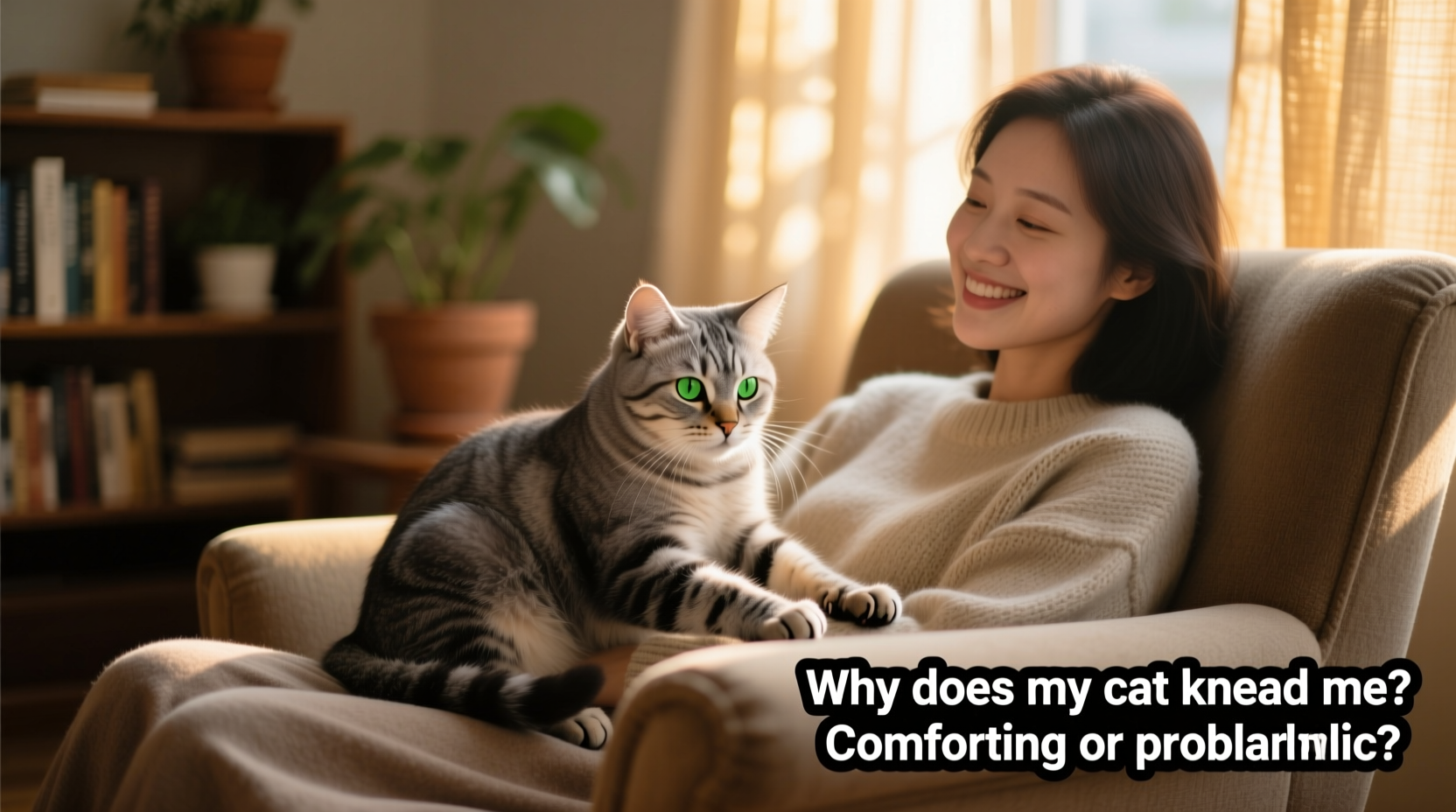
Kneading is a deeply ingrained behavior that begins in kittenhood. Newborn kittens instinctively press their paws against their mother’s mammary glands to stimulate milk flow. This motion becomes associated with warmth, nourishment, and security. As cats grow, they often retain this habit, redirecting the behavior toward soft surfaces—including their human companions.
Dr. Sarah Thompson, a certified feline behaviorist, explains:
“Kneading is a throwback to early life experiences. When adult cats do it on humans, they’re essentially reliving a moment of comfort and safety from kittenhood.”
This action is typically accompanied by purring, half-closed eyes, and a relaxed posture—all signs that the cat is in a state of contentment. In fact, many cats will only knead when they feel emotionally secure, making it a powerful indicator of trust.
Tip: If your cat kneads while purring and nuzzling, it's a strong sign of emotional bonding—cherish these moments.Is Kneading Always Comforting?
While kneading is generally a positive behavior, context matters. Most cats knead to express happiness, but certain conditions can turn this soothing act into something less pleasant—for both cat and owner.
For instance, some cats knead excessively when anxious or stressed. Changes in environment, the introduction of a new pet, or even shifts in routine can trigger increased kneading as a self-soothing mechanism. In these cases, the behavior may be more frantic, prolonged, or occur at unusual times (like during the night).
Additionally, kneading with claws extended can lead to discomfort or minor injuries. Cats don’t intend to hurt their owners, but their sharp nails can snag clothing or break skin, especially if the kneading occurs on bare arms or legs.
When Kneading Becomes Problematic
There are several red flags that suggest kneading may be crossing the line from comforting to problematic:
- Aggressive force: The cat uses excessive pressure, appears tense, or hisses during the act.
- Obsessive repetition: Kneading occurs for hours daily without breaks, interfering with sleep or daily activities.
- Painful claw use: Scratching causes bleeding, frequent tears in fabric, or leads to defensive reactions from household members.
- Self-injury: The cat begins biting or licking its paws after kneading, which could indicate pain or dermatological issues.
If any of these signs are present, it’s important to assess whether the behavior stems from anxiety, medical discomfort, or learned reinforcement through attention.
Managing Kneading: Practical Strategies for Cat Owners
Most owners don’t want to eliminate kneading entirely—it’s a touching display of affection. However, managing the behavior ensures it remains enjoyable rather than painful or disruptive. The key is redirection, prevention, and gentle training.
Step-by-Step Guide to Reducing Discomfort During Kneading
- Trim your cat’s claws regularly. Use cat-specific clippers every 1–2 weeks to minimize scratching damage.
- Place a barrier between paw and skin. Drape a thick blanket, towel, or sweatshirt over your lap before allowing your cat to settle.
- Encourage use of a designated kneading surface. Offer a soft plush toy or cat bed that mimics the texture of human skin or clothing.
- Redirect with play. If kneading becomes too intense, gently remove the cat and engage in interactive play with a wand toy to shift focus.
- Reinforce calm behavior. Reward your cat with treats or praise when they knead gently or stop on cue.
Do’s and Don’ts of Handling Kneading Behavior
| Do’s | Don’ts |
|---|---|
| Provide soft blankets for your cat to knead | Yell at or push the cat away mid-knead |
| Clip claws weekly to reduce injury risk | Use human nail trimmers (they can split the claw) |
| Observe body language for signs of stress | Ignore persistent over-kneading that disrupts sleep |
| Offer alternative textures (wool, fleece, memory foam) | Apply lotions or scented oils before cuddle time (can irritate cats) |
| Consult a vet if kneading increases suddenly | Assume all kneading is harmless without evaluating context |
Real-Life Example: Managing Kneading in a Multi-Cat Household
Sophia, a cat owner from Portland, noticed her 4-year-old tabby, Miso, began kneading obsessively after the arrival of a second cat, Nori. What started as occasional evening kneading on her lap escalated to hourly sessions lasting up to 20 minutes each, often involving claw extension and light biting.
Concerned, Sophia consulted a veterinary behaviorist. After ruling out medical causes, the expert suggested environmental enrichment and pheromone diffusers to ease territorial stress. Sophia also introduced a heated cat bed filled with lavender-scented padding—a designated “kneading zone.” Within three weeks, Miso’s kneading decreased by 70%, and when it did occur, it was gentler and confined to the new bed.
This case highlights how changes in social dynamics can amplify instinctual behaviors. With targeted intervention, even entrenched habits can be redirected positively.
Expert Insight: What Kneading Reveals About Feline Emotions
Dr. Elena Rodriguez, a veterinarian specializing in animal behavior, emphasizes that kneading is more than just a quirky habit.
“Kneading is one of the few behaviors cats perform exclusively when they feel safe. It’s a window into their emotional world. When a cat chooses you as their kneading surface, they’re saying, ‘You are my source of comfort.’”
However, she cautions against romanticizing all instances. “If a cat kneads nonstop, avoids sleeping, or seems hyper-vigilant, we need to look deeper. Chronic stress or compulsive disorders can manifest through repetitive actions like over-grooming or excessive kneading.”
Frequently Asked Questions
Why does my cat drool when kneading?
Drooling during kneading is common and usually a sign of deep relaxation. It harks back to kittenhood, when nursing triggered saliva production. As long as the drool is clear and the cat is otherwise healthy, it’s nothing to worry about.
Can I train my cat to stop kneading completely?
It’s neither advisable nor realistic to eliminate kneading entirely, as it’s a natural, emotionally significant behavior. Instead, focus on managing it—redirecting to appropriate surfaces and minimizing discomfort through claw care and barriers.
Is kneading a sign of dominance or marking territory?
In part, yes. Cats have scent glands in their paw pads, so kneading can serve as a subtle form of territorial marking. By pressing into you, your cat is depositing their scent, effectively claiming you as part of their safe space. This isn’t dominance in a hierarchical sense, but rather inclusion in their inner circle.
Conclusion: Balancing Affection and Practicality
Kneading is one of the most intimate behaviors a cat can exhibit. It’s a tactile echo of kittenhood, a gesture of trust, and a declaration of comfort. For many owners, it’s a cherished ritual that strengthens the human-feline bond. But like any instinctual behavior, it requires thoughtful management—especially when claws come into play or when frequency suggests underlying stress.
By understanding the roots of kneading, recognizing when it crosses into problematic territory, and applying practical solutions, you can preserve the warmth of the act without sacrificing comfort or peace. Whether your cat gently presses into your thigh or enthusiastically works your sweater like dough, remember: this is love, in its most primal form.
💬 Does your cat knead you? Share your story or tips in the comments—your experience could help another cat owner navigate this tender, toe-tapping tradition.








