At first glance, a plush toy may seem like a simple object—soft, cuddly, and designed for children. Yet millions of adults around the world invest time, emotion, and sometimes significant money into collecting limited edition plush toys. From Sanrio’s rare Hello Kitty releases to exclusive Bearbricks and Squishmallows variants, these collectibles often sell out within minutes and resell for hundreds or even thousands of dollars. What drives this behavior? Behind the seams lies a complex psychological landscape shaped by nostalgia, identity, scarcity, emotional comfort, and social belonging.
Understanding the psychology of plush toy collecting reveals much more than consumer trends—it reflects fundamental human needs for connection, control, and meaning. This article explores the cognitive and emotional motivations that fuel this growing subculture, offering insight into why a seemingly childish object can hold such profound significance for adult collectors.
The Emotional Pull: Nostalgia and Comfort
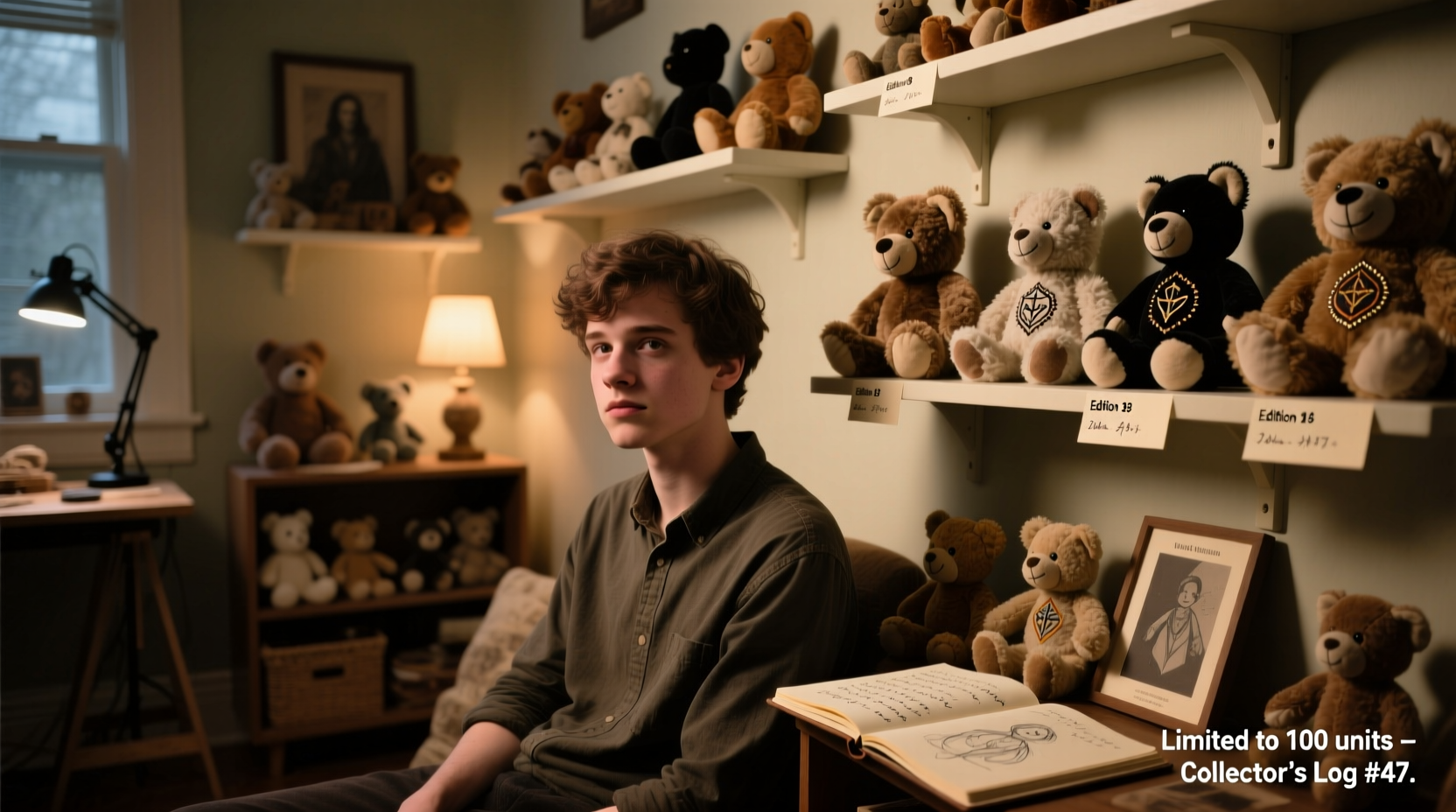
One of the most powerful forces behind plush toy collecting is nostalgia. For many, these toys are tangible links to childhood—a time associated with safety, simplicity, and unconditional affection. A limited edition Pikachu or a vintage Care Bear isn’t just fabric and stuffing; it’s a vessel for memory. Psychologists refer to this as \"reminiscence bump,\" where people form lasting emotional attachments to objects from their formative years.
Dr. Elena Torres, a clinical psychologist specializing in emotional attachment, explains:
“Objects become symbolic anchors for past experiences. When someone holds a plush toy from their youth, they’re not just touching cotton—they’re reconnecting with a version of themselves that felt secure and unburdened.” — Dr. Elena Torres, Clinical Psychologist
This emotional resonance is amplified when the plush is rare. The scarcity adds weight to the memory, transforming an ordinary item into a cherished relic. Limited runs—often tied to anniversaries, collaborations, or seasonal events—elevate the toy from plaything to personal artifact.
Tip: If you're starting a collection, begin with items that evoke strong personal memories. These pieces often provide the deepest emotional satisfaction.Scarcity and the Thrill of the Hunt
Rarity fuels desire. Behavioral economists have long observed that humans assign higher value to things that are difficult to obtain—a phenomenon known as the scarcity principle. Limited edition plush toys are deliberately produced in small quantities, creating artificial scarcity that triggers urgency and competitive acquisition.
When a new release drops online, collectors rush to secure their piece before it sells out. This chase activates the brain’s reward system. The anticipation, effort, and eventual success of obtaining a rare item release dopamine, reinforcing the behavior. It’s not unlike the high experienced in gaming or gambling, where unpredictability enhances engagement.
For some, the pursuit becomes as important as ownership. The hunt—monitoring release calendars, joining Discord groups, setting up purchase bots—creates a narrative of triumph. Owning the plush is proof of skill, patience, and dedication.
How Scarcity Influences Value Perception
| Factor | Psychological Effect | Example in Plush Collecting |
|---|---|---|
| Limited Quantity | Increases perceived exclusivity | Only 500 units of a glow-in-the-dark Jibanyan made worldwide |
| Time-Limited Release | Triggers urgency and FOMO (fear of missing out) | A Valentine’s Day My Melody plush available for 48 hours |
| Unpredictable Restocks | Encourages vigilance and repeated checking | Random drop of a black variant Squishmallow at midnight |
| Resale Market Premium | Validates collector’s decision and boosts status | A $30 plush reselling for $300 on eBay |
Identity and Self-Expression Through Objects
Collecting is rarely just about accumulation—it’s a form of identity construction. The plush toys one chooses to collect communicate personality, values, and affiliations. A person with a shelf of kawaii-style Sanrio characters may signal playfulness and a love for Japanese pop culture. Another with dark-themed designer plushes might express an affinity for alternative aesthetics.
In a world where self-expression is increasingly curated through digital profiles, physical collections offer authenticity. Unlike a fleeting Instagram post, a plush collection is tactile, permanent, and deeply personal. Displaying these items at home or sharing them on social media becomes a way to say, “This is who I am.”
Dr. Marcus Lin, a sociologist studying modern fandoms, notes:
“Collectors aren’t just acquiring objects—they’re building a visual autobiography. Each plush is a chapter in a story about taste, passion, and belonging.” — Dr. Marcus Lin, Sociologist
For marginalized individuals, especially those who felt isolated during childhood, plush collections can serve as affirmations of self-worth and visibility. Choosing a toy that represents one’s gender identity, cultural background, or neurodivergent experience turns collecting into an act of empowerment.
Community and Social Connection
No collector exists in isolation. The rise of online communities has transformed plush collecting from a solitary hobby into a vibrant social ecosystem. Platforms like Reddit, Instagram, TikTok, and dedicated Facebook groups host thousands of enthusiasts who trade, review, and celebrate new releases.
These spaces foster deep bonds. Members share unboxing videos, organize swaps, and offer emotional support. For many, these communities are lifelines—especially for those who struggle with social anxiety or live in areas where their interests are misunderstood.
Consider the case of Maya, a 29-year-old software developer from Ohio:
Mini Case Study: Finding Belonging Through Plush
Maya grew up feeling out of place. Her love for colorful, whimsical toys was mocked in school, and she learned to hide her interest in stuffed animals. As an adult, she discovered the #PlushTok community on TikTok. One video led to another, then to direct messages, group chats, and eventually a cross-country friendship with a fellow collector in Portland.
Today, Maya owns over 70 limited edition plushes, including rare San-X and Medicom Toy releases. But more importantly, she says, “My collection isn’t just about the toys. It’s about finally feeling seen. When I post a new arrival, people don’t judge me—they celebrate with me.”
This sense of belonging is a key driver. Humans are wired for connection, and niche hobbies provide safe spaces to form meaningful relationships based on shared passion rather than obligation.
Emotional Security and Coping Mechanisms
For some collectors, plush toys serve a therapeutic function. Touching soft textures can reduce cortisol levels and promote relaxation. This is particularly relevant for individuals with anxiety, depression, or autism spectrum disorder. The act of hugging or holding a plush provides sensory grounding—a calming anchor during moments of distress.
Therapists increasingly recognize the value of transitional objects beyond childhood. While a baby might cling to a blanket, an adult might find solace in a favorite stuffed animal. In Japan, the popularity of kawaii culture and character goods is partly attributed to societal stress and emotional restraint. Plush toys offer a non-verbal outlet for affection and vulnerability.
Moreover, organizing and caring for a collection introduces structure and predictability—important elements for mental well-being. Dusting shelves, rotating displays, and photographing new additions create routines that foster mindfulness and a sense of control.
Tip: Use acid-free containers and avoid direct sunlight to preserve color and fabric integrity over time.Step-by-Step Guide to Starting a Meaningful Plush Collection
Starting a plush collection should be intentional, not impulsive. Follow this sequence to build a collection that aligns with your values and brings lasting joy:
- Define Your Motivation: Ask yourself why you want to collect. Is it nostalgia? Art appreciation? Emotional comfort? Clarifying your purpose helps narrow your focus.
- Choose a Theme or Brand: Limit your scope to specific franchises (e.g., Pokémon, Gudetama) or types (e.g., designer plush, anime merch). Themed collections are easier to manage and more satisfying to display.
- Set a Budget: Decide how much you’re willing to spend monthly. Stick to it to avoid financial strain. Remember, resale markets can be volatile.
- Join Communities: Engage with online forums or local meetups. Learn from experienced collectors and stay informed about upcoming releases.
- Document and Display: Take photos, track purchases, and curate your space. A well-organized display enhances enjoyment and preserves value.
- Review Periodically: Every six months, assess your collection. Are you still emotionally connected to the pieces? Would you buy them again today?
Common Pitfalls to Avoid
- Overbuying due to FOMO: Just because a plush is rare doesn’t mean it fits your collection.
- Neglecting preservation: Sunlight and dust degrade materials over time. Protect your investment.
- Tying self-worth to value: A plush’s market price doesn’t determine its emotional worth.
- Isolating from real-life relationships: Hobbies should enhance life, not replace human connection.
Frequently Asked Questions
Is collecting plush toys normal for adults?
Yes. Adult collecting is a widespread and psychologically healthy behavior. As long as it doesn’t interfere with responsibilities or cause distress, it’s a valid form of self-expression and emotional regulation.
How do I know if a plush is truly limited edition?
Check official brand announcements, packaging labels, and production numbers. Reputable sellers often provide certificates of authenticity. Be cautious of third-party claims without verifiable sources.
Can plush collecting become obsessive?
Like any hobby, it can cross into compulsive territory if it leads to financial hardship, neglect of relationships, or emotional dependency. If collecting begins to feel stressful rather than joyful, it may be time to reassess.
Conclusion: More Than Just Toys
Limited edition plush toys are far more than fabric and thread. They are vessels of memory, badges of identity, and bridges to community. The psychology behind collecting reveals a deep human need to find meaning, comfort, and connection in a complex world. Whether driven by nostalgia, the thrill of the chase, or the quiet joy of holding something soft, collectors are engaging in a profoundly personal—and entirely valid—form of emotional expression.
If you’ve ever hesitated to display your plush collection, remember: there is strength in vulnerability, beauty in whimsy, and wisdom in honoring what brings you peace. Start where you are. Collect intentionally. Share proudly.
💬 What does your favorite plush mean to you? Share your story in the comments and inspire others to embrace their passions without apology.








