Purring is one of the most comforting sounds a cat can make. For many pet owners, it’s a sign of contentment, relaxation, or affection. Yet not all cats express this behavior in the same way. Some cats produce deep, rumbling purrs that can be heard from across the room, while others emit only the faintest vibrations—sometimes detectable only by touch. This variation raises an important question: Why do some cats purr loudly while others barely make noise?
The answer lies in a combination of biology, breed traits, individual personality, health status, and environmental influences. Understanding these differences not only deepens our appreciation for feline communication but also helps us better interpret what our cats are trying to tell us.
The Science Behind Purring
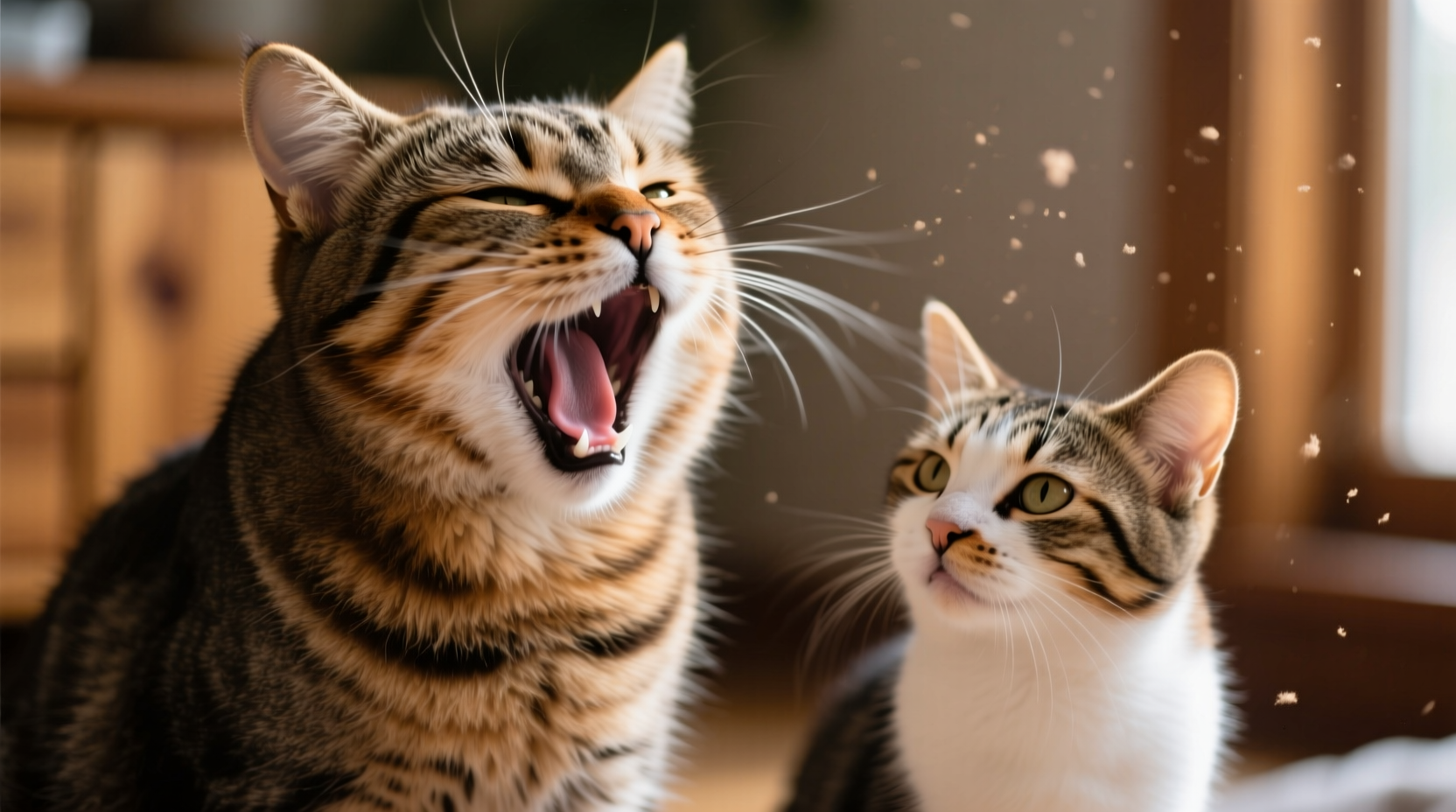
Cats purr through a complex neuromuscular mechanism involving the larynx (voice box) and the central nervous system. When a cat decides to purr, neural signals from the brain trigger rhythmic contractions of the laryngeal muscles, which separate the vocal cords during both inhalation and exhalation. These rapid openings and closings create a continuous vibrating sound at frequencies typically between 25 and 150 Hz.
Interestingly, purring isn’t limited to moments of happiness. Cats may also purr when stressed, injured, or even in pain—a self-soothing mechanism believed to promote healing. Research has shown that vibrations within the frequency range of purring can stimulate bone regeneration, reduce swelling, and accelerate wound recovery.
“Purring serves multiple functions beyond communication—it’s a physiological tool with therapeutic benefits.” — Dr. Karen Benkert, Veterinary Behaviorist
However, despite sharing the same basic anatomy, not all cats generate the same volume or intensity of purr. The reasons for this variation are multifaceted.
Breed Differences and Genetic Influences
One of the most significant factors influencing purr volume is genetics. Certain cat breeds are known for their robust, resonant purrs, while others tend to be more subdued.
| Breed | Purring Tendency | Notes |
|---|---|---|
| Maine Coon | Loud, deep purr | Large body size contributes to stronger resonance; often described as “diesel-engine” purring. |
| Ragdoll | Moderate to soft purr | Tend to be quiet overall; purring is gentle and soothing rather than loud. |
| Persian | Soft, muffled purr | Brachycephalic (flat-faced) structure may restrict airflow and dampen vocalizations. |
| Savannah | Vocal and expressive | Often combine chirps and loud purrs; high-energy breeds may purr more intensely. |
| British Shorthair | Consistently loud purr | Dense musculature and broad chest amplify vibration. |
Breeds with larger body mass and broader thoracic cavities naturally produce louder purrs due to increased resonance space. Conversely, smaller or brachycephalic breeds may have structural limitations that result in quieter purring.
Tip: If you're adopting a kitten and value a strong purr, consider breeds like Maine Coons or British Shorthairs known for their powerful purring.Personality and Socialization
Just like humans, cats have distinct personalities. Some are outgoing, expressive, and highly communicative, while others are reserved, independent, or cautious. These temperamental differences directly influence how often—and how loudly—a cat chooses to purr.
A confident, people-oriented cat raised in a nurturing environment is more likely to develop frequent and audible purring habits. In contrast, a shy or formerly stray cat may purr infrequently or quietly, especially early in the bonding process. Over time, with trust and positive reinforcement, even quiet purrers may become more vocal.
Socialization during the critical developmental window (between 2 and 7 weeks of age) plays a crucial role. Kittens exposed to gentle handling, human interaction, and consistent care are more likely to form secure attachments and use purring as a social signal throughout life.
“I once worked with a rescue tabby who didn’t purr for nearly six months after adoption. Once he felt safe, his purr emerged—soft at first, then growing stronger over time. It was a clear sign of emotional healing.” — Sarah Lin, Feline Rescue Coordinator
Health and Physical Condition
A cat’s physical well-being significantly affects its ability to purr. Conditions affecting the respiratory system, larynx, or neurological pathways can alter purr volume or suppress it entirely.
For example:
- Laryngitis or upper respiratory infections can cause hoarseness or temporary loss of purring.
- Neurological disorders may interfere with the brain signals responsible for initiating purring.
- Chronic pain or illness might reduce motivation to purr, even though purring could aid recovery.
- Age-related changes, such as muscle weakening or arthritis, can lead to softer purring in senior cats.
It's worth noting that a sudden change in purring behavior—especially a complete cessation—should prompt a veterinary consultation. While some cats are naturally quiet purrers, any deviation from their usual pattern may indicate discomfort or disease.
When to Be Concerned About Silent Purring
If your cat used to purr loudly but now only vibrates silently—or stops purring altogether—consider the following steps:
- Observe for other signs of illness: lethargy, appetite loss, hiding, or labored breathing.
- Check if the cat still produces chest vibrations (place your hand gently on their ribcage).
- Monitor interactions: Are they avoiding contact or showing signs of stress?
- Schedule a vet visit to rule out laryngeal paralysis, inflammation, or systemic issues.
Environmental and Behavioral Factors
The context in which a cat finds itself can influence whether and how loudly it purrs. A cat may purr more vigorously when being petted, sitting on a warm lap, or nursing kittens. On the other hand, stressful environments—such as noisy homes, multi-pet households, or unfamiliar settings—can inhibit purring regardless of temperament.
Additionally, learned behavior shapes expression. Cats raised in responsive homes, where owners react positively to purring (with pets, treats, or attention), are more likely to repeat the behavior. In contrast, cats whose vocalizations go unnoticed may reduce their efforts over time.
Some experts suggest that indoor-only cats may purr more frequently than outdoor or semi-outdoor cats due to closer proximity to humans and fewer survival-related distractions.
Mini Case Study: Two Cats, Two Purring Styles
Maria adopted two cats from the same litter: Luna and Milo. Both were healthy, well-socialized, and raised in her home. Yet their purring behaviors diverged dramatically.
Luna, a bold and affectionate silver tabby, purred loudly the moment she was picked up. Her purr could be heard from another room and intensified during mealtime or grooming. Milo, her brother, exhibited a much subtler response. He would vibrate gently under petting but made no audible sound—even when relaxed and happy.
Maria initially worried something was wrong with Milo. After consulting her veterinarian and observing him closely, she realized he was simply less vocal by nature. He displayed all the physical signs of contentment—half-closed eyes, kneading, slow blinks—but expressed it quietly.
Over time, Maria learned to appreciate both styles. She began placing her hand on Milo’s chest to feel his subtle purr, creating a unique bond based on quiet intimacy rather than sound.
How to Encourage Healthy Purring (Without Forcing It)
You can't force a cat to purr, nor should you try. But you can create conditions that make purring more likely and comfortable.
📋 Purring Encouragement Checklist- Provide consistent daily routines to build security.
- Offer warm, cozy resting spots (heated beds, sunlit areas).
- Engage in gentle petting, focusing on preferred zones (chin, base of ears).
- Minimize loud noises and sudden disruptions.
- Use positive reinforcement—soft talking, treats, playtime—to strengthen trust.
- Avoid overhandling; respect boundaries when the cat walks away.
- Ensure regular veterinary checkups to rule out physical barriers.
Remember: a cat that doesn’t purr audibly isn’t necessarily unhappy. Many deeply bonded cats show affection through other behaviors—following you around, head-butting, or sleeping nearby.
Frequently Asked Questions
Do all cats purr?
Most cats purr at some point in their lives, but not all do so regularly or audibly. Some cats may never purr due to genetic, health, or environmental reasons. Others may purr only in specific contexts, such as when nursing kittens or recovering from injury.
Can a cat purr too loudly?
There’s no such thing as “too loud” when it comes to natural purring. However, if a cat suddenly begins purring excessively—especially accompanied by restlessness or clinginess—it may be seeking comfort due to pain or anxiety. Loud purring alone isn’t a red flag, but changes in behavior warrant attention.
Why can I feel my cat purring but not hear it?
This is common, especially in small, elderly, or quiet breeds. The laryngeal vibrations still occur, but the sound is muffled or low-amplitude. Placing your hand on the cat’s chest or side will reveal the characteristic buzz. Hearing loss in older cats can also affect perception of purring.
Final Thoughts: Listening Beyond the Sound
The volume of a cat’s purr doesn’t measure its love or contentment. A whisper-quiet purr holds just as much meaning as a thunderous rumble. What matters most is understanding your cat’s individual language—their rhythms, preferences, and subtle cues.
Whether your cat sounds like a motorcycle or communicates through silent vibrations, their purr—however faint—is a gift. It’s a biological marvel evolved for connection, healing, and survival. By recognizing the diversity in feline expression, we become better companions and more attentive caregivers.
🚀 Take Action Today: Spend five quiet minutes with your cat—no distractions, no screens. Observe their breathing, touch their chest gently, and listen closely. You might discover a new depth in their purr—or find beauty in its absence.








