
Pets don’t choose where to rest at random. Whether it’s a sunlit patch on the floor, the corner of a sofa, or tucked beside your bedroom door, their preferred spots are deeply influenced by instinct, comfort, and environmental signals. Understanding why pets form attachments to specific areas—and why they sometimes abandon them overnight—offers valuable insight into their emotional and physical well-being. This behavior is more than habit; it’s a reflection of how animals perceive safety, temperature, scent, and social dynamics within the home.
The Science Behind Pet Spot Selection
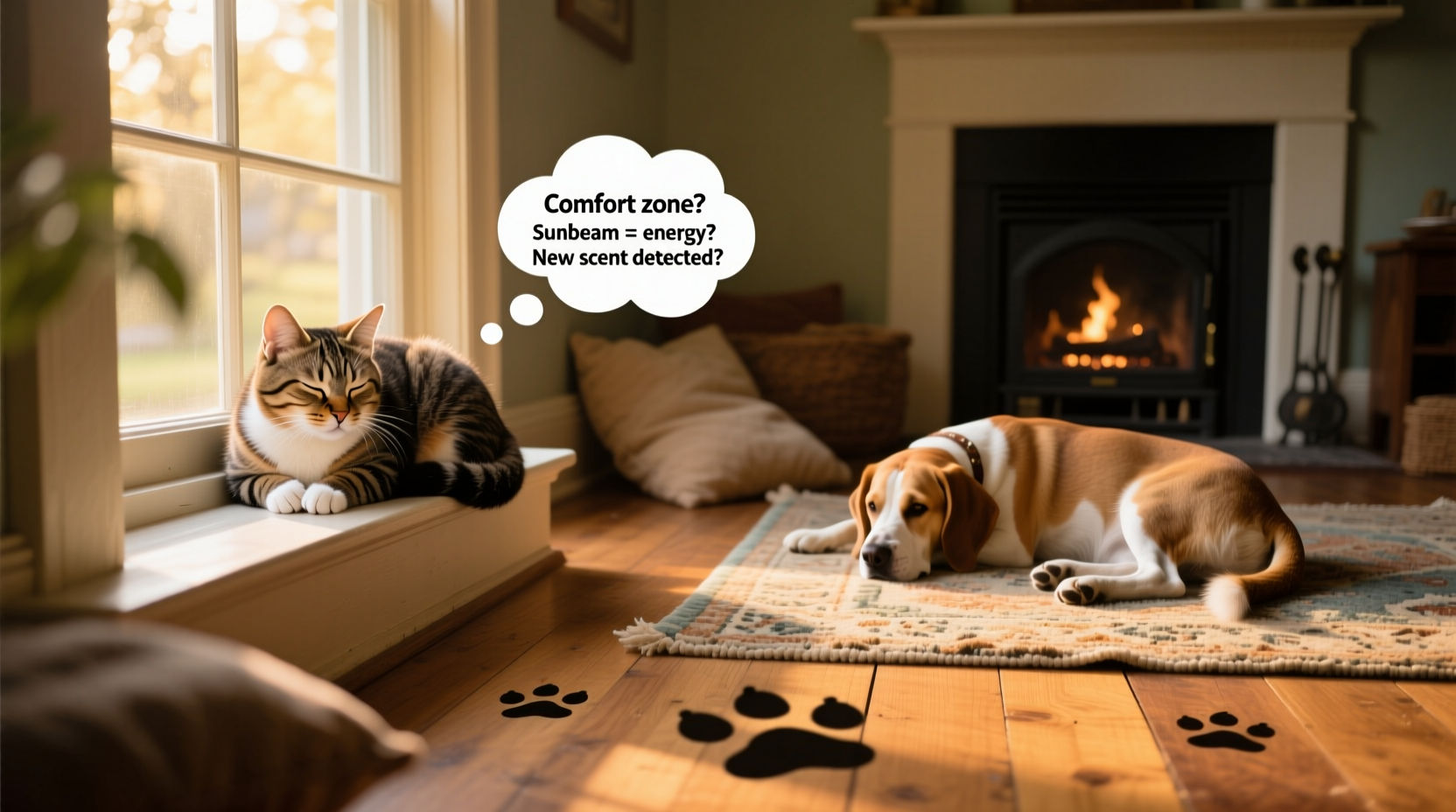
Dogs, cats, and even smaller pets like rabbits or guinea pigs are highly attuned to sensory input. When selecting a resting place, they subconsciously evaluate multiple factors: warmth, surface texture, visibility, noise levels, and proximity to their human companions. These choices are rooted in evolutionary survival mechanisms. In the wild, animals must balance exposure and concealment—staying warm while remaining alert to threats. Domestication hasn’t erased these instincts.
For instance, cats often favor elevated surfaces because height gives them a vantage point to monitor their surroundings. A windowsill may be chosen not just for sunlight but for the view of birds or passing cars, which provides mental stimulation. Dogs, especially breeds with thick coats, may seek cooler tile floors during summer months to regulate body temperature. The consistency of a spot reinforces a sense of security—until something disrupts that equilibrium.
“Animals are constantly assessing their environment for subtle changes. A favorite spot isn’t just about comfort—it’s about predictability.” — Dr. Lena Torres, Veterinary Ethologist
Key Factors That Influence Spot Preference
Several interrelated elements guide where a pet decides to settle:
- Temperature and Thermal Comfort: Pets gravitate toward areas that help maintain optimal body temperature. Cats love sunbeams; dogs may press against radiators in winter or sprawl on basement concrete in summer.
- Scent Marking and Familiarity: Many animals rub against furniture or linger in certain zones to deposit pheromones from facial glands. This creates a “safe zone” marked by their own scent.
- Proximity to Humans: Social pets often pick spots near family activity—by the kitchen during meal prep or outside the bathroom door while you shower—because presence equals security.
- Noise and Light Levels: Quiet corners away from foot traffic or loud appliances are favored by anxious or older pets. Conversely, curious younger animals may prefer central locations to stay engaged.
- Surface Texture: Some pets dislike slippery floors and will avoid hardwood unless a rug is present. Others may prefer soft fabrics over hard surfaces regardless of temperature.
Why Sudden Changes Occur
A pet abandoning a long-standing favorite spot can signal shifts both within the animal and its environment. While occasional variation is normal, abrupt or repeated changes warrant attention. Common reasons include:
Environmental Disruptions
New furniture, renovations, or even rearranged rooms alter spatial familiarity. A relocated litter box or changed feeding station can cascade into broader territory reevaluation. Even minor additions—a new air purifier’s hum or a scented candle—can deter sensitive animals.
Health-Related Shifts
Pain or discomfort often manifests through altered resting behavior. An arthritic cat might stop jumping onto a beloved windowsill. A dog with hip dysplasia may avoid cushioned beds that are difficult to rise from. Similarly, pets with dental pain or gastrointestinal issues may seek solitude in less trafficked areas.
Social Dynamics
In multi-pet households, dominance hierarchies influence space usage. A previously shared couch spot may be claimed exclusively by one animal after a power shift. New pets or visitors—even temporary ones—can trigger territorial reassessment.
Seasonal and Circadian Influences
As daylight hours shift, so do thermal patterns in homes. A winter sunspot may vanish by spring, prompting relocation. Pets also adjust routines based on household schedules—such as sleeping near a child’s backpack when school resumes.
| Change Trigger | Behavioral Sign | Potential Response |
|---|---|---|
| New furniture | Avoidance of once-favorite area | Allow gradual acclimation; add familiar blankets |
| Pain or illness | Reluctance to jump or lie down | Veterinary checkup recommended |
| Household stress | Increased hiding or clinginess | Reinforce safe spaces with scent and quiet |
| Weather shift | Movement to cooler/warmer zones | Adjust bedding seasonally |
Mini Case Study: Luna the Cat’s Mysterious Move
Luna, a 7-year-old domestic shorthair, had spent nearly five years napping daily on a beige armchair beside a south-facing window. Her owner, Maria, noticed she suddenly began sleeping under the dining table instead—despite the lack of sunlight and increased foot traffic. Concerned, Maria observed Luna closely and noted slight stiffness when rising. She scheduled a vet visit, where X-rays revealed early-onset osteoarthritis in her hips. The armchair required a high jump, which had become painful. After introducing a low-rise orthopedic bed near the same window, Luna returned to her original spot within days—now with easier access. The case illustrates how physical discomfort can silently drive behavioral change.
Step-by-Step Guide to Responding to Spot Changes
If your pet abruptly stops using a preferred location, follow this sequence to identify and address the cause:
- Observe Patterns: Note when the change occurred and whether it coincides with any household events (new pet, renovation, visitor).
- Check for Physical Barriers: Is the spot now blocked? Has lighting changed? Is there an unfamiliar smell or noise?
- Assess Mobility: Watch how your pet moves. Do they hesitate to jump, limp, or struggle to get comfortable?
- Evaluate Multi-Pet Interactions: Monitor for signs of tension, guarding, or avoidance between animals.
- Consult a Veterinarian: Rule out medical causes, especially if accompanied by appetite loss, lethargy, or vocalization.
- Modify the Environment: Introduce ramps, heated pads, or quieter alternatives to support comfort.
- Reintroduce Gradually: Place familiar items (blankets, toys) in new or restored spots to encourage use through scent association.
Preventative Checklist: Supporting Stable Spot Preferences
To minimize disruptive shifts and promote consistent comfort, consider the following actions:
- ✅ Maintain consistent room layouts when possible
- ✅ Use washable covers on pet beds to preserve familiar scents during cleaning
- ✅ Provide multiple resting options across different temperatures and elevations
- ✅ Monitor seasonal changes in light and heat distribution
- ✅ Schedule regular veterinary exams to catch mobility issues early
- ✅ Introduce new household elements gradually (e.g., let pets sniff new furniture before placement)
- ✅ Avoid strong perfumes, air fresheners, or cleaning products near pet zones
FAQ
Is it normal for my dog to switch sleeping spots every few weeks?
Occasional rotation is normal, especially with seasonal changes. However, frequent or erratic switching—especially if paired with restlessness or anxiety—may indicate discomfort or environmental stress. Monitor for accompanying symptoms and consult your vet if concerned.
My cat used to sleep on my bed but now avoids it. Could it be me?
It’s unlikely personal rejection, but possible indirect causes. Changes in laundry detergent, new bedding material, or even your sleep schedule altering the bed’s availability can influence your cat’s decision. Also consider if another pet has started claiming the space.
How can I encourage my pet to use a new bed?
Place it near their current favorite spot initially. Add a worn T-shirt with your scent or a blanket from their old bed. Treats or meals nearby can create positive associations. Never force use—let them approach it naturally.
Expert Insight: The Role of Scent and Memory
Animals rely heavily on olfactory memory. A 2021 study published in *Applied Animal Behaviour Science* found that dogs returned significantly faster to resting areas containing their own scent markers, even when those areas were less thermally comfortable. This underscores how powerful familiar odors are in creating perceived safety.
“Scent is a cornerstone of spatial identity for pets. Removing a bed for washing can feel like erasing part of their territory.” — Dr. Rajiv Mehta, Animal Cognition Researcher
This explains why some pets react strongly to freshly cleaned carpets or laundered cushions. Their world relies on invisible chemical cues we often overlook.
Conclusion
Pets develop favorite spots as a blend of instinct, comfort, and learned safety. These zones are not arbitrary—they’re carefully selected sanctuaries shaped by temperature, scent, sound, and social bonds. When a pet suddenly changes location, it’s rarely whimsy. It’s communication. Whether signaling pain, responding to environmental disruption, or adjusting to social shifts, the act of relocating is a meaningful behavior worth interpreting.
By observing closely, responding thoughtfully, and supporting their needs with empathy, you strengthen the trust between you and your companion. Recognizing that a simple shift in sleeping position might reflect deeper needs transforms routine care into relational understanding.
💬 Have you noticed your pet changing spots unexpectedly? Share your experience and what you discovered—your story could help another pet owner decode their animal’s silent signals.








