Pancakes should be a simple joy—light, fluffy, golden-brown, and effortlessly released from the pan. Yet many home cooks face the same frustrating problem: despite using nonstick spray, their pancakes still cling to the surface, tearing apart when flipped or leaving behind a stubborn residue. This isn’t just annoying—it undermines confidence in the kitchen. The truth is, nonstick spray alone doesn’t guarantee success. The performance of your pan depends on a combination of factors including heat control, batter composition, pan condition, and technique. Understanding these elements reveals why sticking happens and how to prevent it permanently.
The Myth of Nonstick Spray as a Cure-All
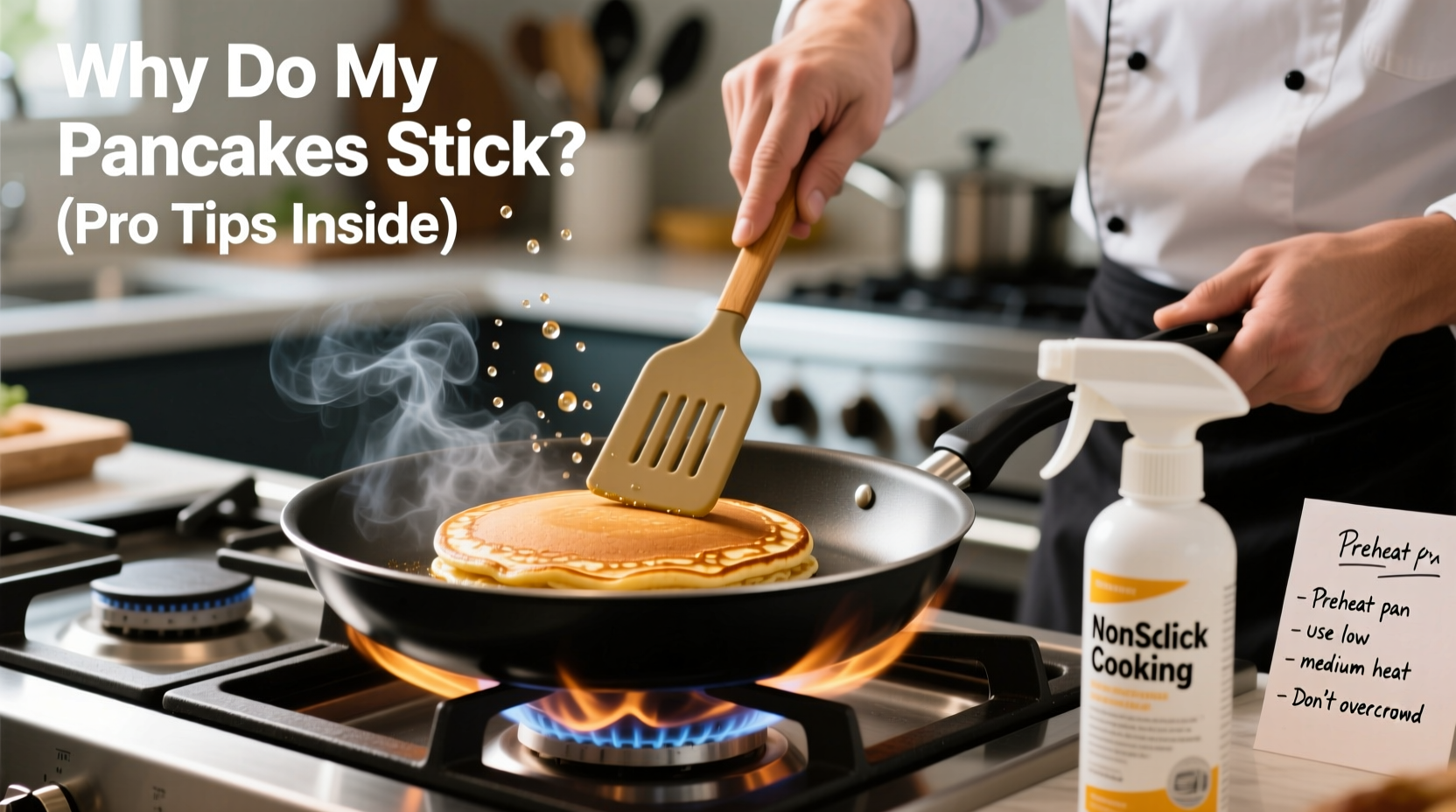
Nonstick cooking spray is often seen as a foolproof solution for preventing food from adhering to cookware. However, relying solely on spray can lead to disappointment. Most sprays contain propellants and lecithin-based oils that may not form a consistent or durable barrier under high heat. Worse, repeated use can build up a sticky residue on the pan’s surface, especially if not cleaned properly. Over time, this residue degrades the very nonstick coating it's meant to protect.
Additionally, many sprays are applied unevenly. A quick burst might leave patches of dry metal exposed, creating perfect spots for pancake batter to bond with the pan through protein adhesion—a common cause of sticking. As culinary scientist Harold McGee explains:
“Even on nonstick surfaces, proteins in eggs and flour can chemically bind to metal at high temperatures before a fat layer has time to act as a barrier.” — Harold McGee, *On Food and Cooking*
This means timing, temperature, and method matter more than simply spraying and pouring.
Tip: Replace aerosol sprays with a light brushing of neutral oil (like canola or grapeseed) using a silicone brush for more even, controlled coverage.Heat Control: The Hidden Culprit Behind Sticking
One of the most overlooked aspects of pancake cooking is heat management. Too hot, and the proteins in the batter seize up and weld themselves to the pan before the cake sets. Too cool, and moisture lingers, preventing proper browning and release.
The ideal griddle or skillet temperature for pancakes is between 350°F and 375°F (175°C–190°C). At this range, the surface sizzles gently when batter hits it, bubbles form evenly across the top, and the underside turns a rich golden brown without scorching.
To test if your pan is ready, sprinkle a few drops of water on the surface. If they dance and evaporate quickly (the Leidenfrost effect), the pan is too hot. If they sit and bubble slowly, it’s too cold. You want them to skitter briefly and vanish within 1–2 seconds—that’s the sweet spot.
Common Heating Mistakes
- Preheating too quickly: High flame from the start warps thin pans and creates hotspots.
- Not preheating enough: Cold metal invites sticking because fats don’t polymerize properly.
- Adjusting heat mid-cook: Fluctuating temperatures disrupt crust formation.
“Consistent medium heat allows the Maillard reaction to develop flavor while forming a natural release layer.” — Dr. Ali Bouzari, Chef and Food Science Educator
Pan Type and Condition Matter More Than You Think
Not all “nonstick” pans perform equally. The market includes everything from PTFE-coated aluminum to ceramic-infused surfaces and seasoned carbon steel. Each behaves differently under heat and wear.
| Pan Type | Best For | Sticking Risk Factors | Lifespan Tip |
|---|---|---|---|
| PTFE (Teflon-style) | Low-fat cooking, delicate foods | Scratches, overheating (>500°F), spray buildup | Use wooden utensils; avoid metal scourers |
| Ceramic Nonstick | Bright colors, oven-safe options | Less durable coating, degrades faster with daily use | Hand wash only; store carefully |
| Cast Iron / Carbon Steel | High-heat searing, natural nonstick when seasoned | Improper seasoning, acidic batter ingredients | Re-season monthly; avoid soap |
| Anodized Aluminum | Durable, scratch-resistant | Wear over time; needs re-oiling | Light oil after each use |
If your nonstick pan is older than two years and sees frequent use, the coating may already be compromised—even if it looks intact. Micro-scratches invisible to the eye can trap food particles and promote sticking. In such cases, no amount of spray will compensate for degraded performance.
Perfect Pancake Batter: How Ingredients Influence Release
Believe it or not, what’s in your batter affects how easily pancakes release. Batters high in egg content or low in fat tend to stick more because egg proteins adhere aggressively to metal surfaces before a crust fully forms.
A balanced pancake recipe typically includes:
- Flour (structure)
- Milk or buttermilk (tenderness)
- Eggs (binding and richness)
- Butter or oil (moisture and lubrication)
- Leavening agent (fluffiness)
Reducing or omitting fat increases the likelihood of sticking. Some health-conscious recipes cut butter entirely, which may save calories but sacrifices nonstick insurance. Similarly, using only egg whites adds protein without the yolks’ natural emulsifiers and fat that aid in release.
Tip: Add 1 tablespoon of melted butter per cup of dry mix—even if using oil elsewhere—to improve texture and reduce sticking.Real Example: Sarah’s Sunday Struggle
Sarah loved making pancakes for her family but dreaded the cleanup. Despite spraying her favorite nonstick skillet generously, pancakes tore every time she flipped. She switched brands of spray, scrubbed the pan thoroughly, and even bought a new one—only to face the same issue weeks later.
After consulting a local cooking instructor, she discovered three problems: her stove burner was too large for the pan (causing uneven heating), she was flipping too early (before bubbles formed fully), and her homemade batter used only egg whites for “health reasons.”
She adjusted by using a smaller burner, waiting until edges looked dry and bubbles stayed open, and reintroducing whole eggs. She also wiped the pan with a paper towel dipped in oil instead of using spray. Result? Flawless pancakes for months.
Step-by-Step Guide to Pancake Pan Perfection
Follow this proven sequence to eliminate sticking once and for all:
- Choose the right pan: Use a flat griddle, cast iron skillet, or well-maintained nonstick pan with even thickness.
- Clean thoroughly: Remove any residue with warm soapy water (except for cast iron), then dry completely.
- Preheat gradually: Place pan on medium heat for 3–5 minutes until evenly warm.
- Test temperature: Sprinkle water droplets—ideal reaction is brief skittering and fast evaporation.
- Apply fat correctly: Wipe a thin layer of oil or clarified butter with a cloth or brush. Avoid aerosol sprays.
- Pour batter: Use a ladle or measuring cup for consistent size.
- Wait for visual cues: Flip only when edges are set, surface bubbles remain open, and bottom is golden (about 2–3 minutes).
- Flip once: Don’t press down with the spatula—this forces out steam and encourages sticking.
- Clean gently post-use: Cool slightly, wipe with sponge and mild detergent, dry immediately.
- Maintain regularly: Re-season cast iron monthly; inspect nonstick coatings quarterly.
Checklist: Prevent Pancake Sticking Before You Start
Run through this checklist every time you plan to make pancakes:
- ✅ Is my pan free of scratches or pitting?
- ✅ Have I preheated it slowly over medium heat?
- ✅ Am I using real fat (oil, butter) instead of relying on spray?
- ✅ Is my batter balanced (includes some fat and whole eggs)?
- ✅ Do I have a thin, flexible spatula for easy lifting?
- ✅ Am I patient enough to wait for full bubble formation before flipping?
Frequently Asked Questions
Can I use olive oil spray instead of regular nonstick spray?
Olive oil sprays are not recommended for high-heat cooking. They have a lower smoke point and can carbonize quickly, creating a gummy residue that worsens sticking. Opt for high-smoke-point oils like canola, grapeseed, or avocado—applied manually for better control.
Why do my pancakes stick even when I use butter?
Butter contains milk solids that burn at moderate heat, forming black specks and sticky compounds. These burnt bits act like glue between the pancake and pan. Use clarified butter (with milk solids removed) or combine butter with a neutral oil to raise its smoke point and maintain lubricity.
Is it safe to use metal utensils on nonstick pans if I’m careful?
No. Even gentle scraping with metal can micro-scratch the coating, accelerating degradation. Always use silicone, wood, or nylon tools. Once scratched, the pan loses its nonstick integrity and becomes harder to clean—leading to more sticking over time.
Final Thoughts: Mastery Over Mechanics
Perfect pancakes aren’t about gadgets or shortcuts—they’re about understanding the interplay between heat, surface, fat, and timing. Nonstick spray may seem convenient, but it often fails where technique and care succeed. By choosing the right pan, controlling temperature, preparing batter wisely, and treating your cookware with respect, you’ll consistently achieve golden, free-releasing pancakes without frustration.
Don’t blame the pan too quickly. Instead, refine your process. Small adjustments compound into dramatic improvements. Whether you're feeding kids on a busy morning or hosting brunch, mastering this fundamental breakfast skill elevates your entire cooking experience.
🚀 Ready to flip better pancakes? Try the oil-wipe method and precise heat test this weekend. Share your results or tips in the comments below—we’d love to hear what works in your kitchen!








