Lips cracking after applying matte lipstick is a common frustration—especially for those who love bold color payoff but dread the flaky aftermath. Unlike creamy or gloss formulas, matte lipsticks are designed for longevity and intensity, which often comes at the expense of comfort. The result? Dry, tight, peeling lips that can even bleed if not managed properly.
The good news: this issue isn’t inevitable. Understanding the science behind why matte lipstick affects your lips—and taking proactive steps—can transform your experience from painful to polished. This guide dives into the root causes, dispels common myths, and delivers practical strategies to keep your lips smooth, hydrated, and ready for any lipstick formula you choose.
Why Matte Lipstick Causes Cracking
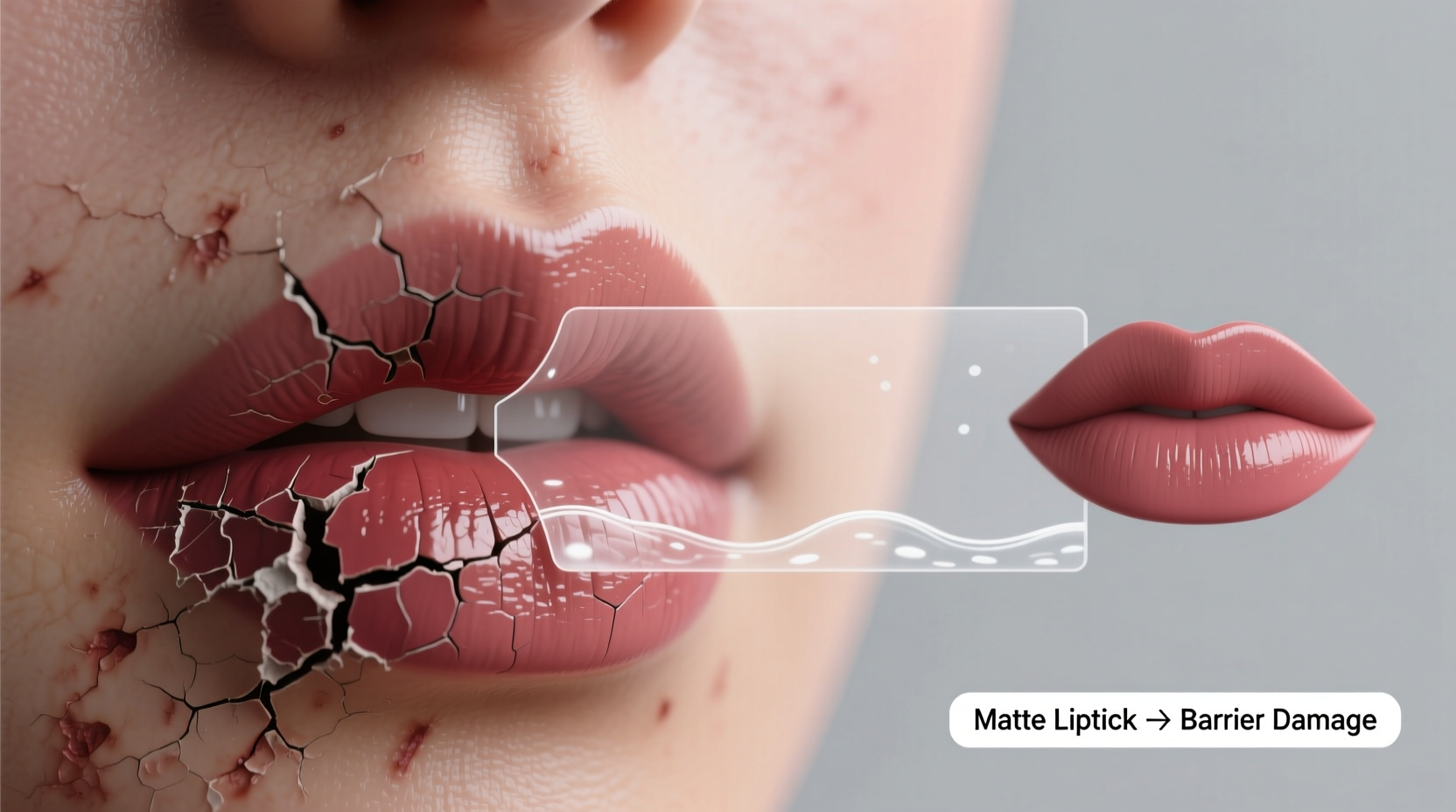
Matte lipsticks are formulated with minimal oils and emollients to achieve their signature velvety finish and long-wear performance. Instead, they rely on waxes, pigments, and film-forming agents that bind tightly to the skin. While effective for staying power, these ingredients don’t offer moisture—they absorb it.
Lips lack sebaceous (oil) glands, meaning they can’t produce their own protective barrier like the rest of your facial skin. When matte lipstick is applied, it adheres to the surface layer. As the day progresses, environmental factors like wind, indoor heating, and dehydration pull moisture from your lips. Without natural oils to compensate, the skin dries out, contracts, and begins to crack.
In addition, many matte formulas contain alcohol or drying alcohols (like denatured alcohol), which help the product set quickly but further dehydrate delicate lip tissue. Over time, repeated use without proper prep can lead to chronic dryness, micro-tears, and increased sensitivity.
“Matte lipsticks are inherently drying because they’re built to resist transfer and fading. That means they sacrifice hydration for performance.” — Dr. Nina Patel, Cosmetic Dermatologist
The Role of Exfoliation and Hydration in Lip Health
Healthy lips require consistent hydration and gentle exfoliation. Dead skin cells accumulate faster on the lips than other areas due to constant movement and exposure. When matte lipstick is applied over flaky patches, it clings unevenly, accentuating cracks and creating a patchy appearance.
Hydration starts beneath the surface. Drinking water helps, but topical care is essential. Ingredients like hyaluronic acid, squalane, shea butter, and ceramides work by attracting moisture and reinforcing the lipid barrier. Using a nourishing lip balm regularly—especially overnight—prepares the canvas for smoother lipstick application.
Exfoliation removes dead skin gently. However, over-exfoliating or using harsh scrubs (like sugar mixed with lemon juice) can damage the thin epidermis, leading to inflammation and more cracking. The key is balance: exfoliate only when needed and follow with deep hydration.
Tip: Exfoliate lips no more than once or twice a week, and always follow with a thick balm.Step-by-Step Guide to Prevent Cracking Under Matte Lipstick
Preventing cracked lips isn’t about avoiding matte lipstick—it’s about preparing your lips correctly and maintaining them throughout the day. Follow this routine for consistently smooth results:
- Remove old product: Start with clean lips. Use a gentle oil-based makeup remover or micellar water to dissolve any leftover pigment or balm residue.
- Exfoliate softly: Use a soft-bristled toothbrush or a homemade scrub (1 tsp honey + 1 tsp brown sugar). Gently massage in circular motions for 30 seconds, then rinse.
- Hydrate deeply: Apply a thick layer of occlusive balm (like one containing lanolin or petroleum jelly). Let it sit for 5–10 minutes to penetrate.
- Blot excess: Wipe off extra balm with a tissue. You want a hydrated base, not a slippery one—matte lipstick won’t adhere to oily surfaces.
- Prime if needed: Use a lip primer to create a smooth, neutral surface. Primers fill in fine lines and extend wear while minimizing feathering.
- Apply lipstick precisely: Use a lip brush for control. Apply in thin layers, blotting between coats to build color without heaviness.
- Maintain through the day: Reapply balm during breaks. If reapplying lipstick, remove flakes first with a damp cotton swab before layering again.
Do’s and Don’ts of Matte Lipstick Application
| Do’s | Don’ts |
|---|---|
| Use a hydrating balm 10–15 minutes before application | Apply matte lipstick directly on dry, chapped lips |
| Exfoliate gently 1–2 times per week | Scrub aggressively or daily |
| Choose matte formulas with added moisturizers (e.g., hyaluronic acid) | Stick to ultra-matte or liquid lipsticks with high alcohol content |
| Carry a restorative balm for touch-ups | Peel or pick at flaking skin |
| Line lips to define shape and prevent bleeding | Use expired or dried-out products |
Choosing the Right Matte Lipstick for Your Lips
Not all matte lipsticks are created equal. Some brands now prioritize skincare benefits without sacrificing finish. Look for formulations labeled “moisturizing matte,” “comfort matte,” or “nourishing velvet.” These often include conditioning agents like jojoba oil, vitamin E, or plant-based butters.
Liquid lipsticks tend to be the driest, especially transfer-proof ones that polymerize on the skin. If you love the look but hate the feel, consider switching to a bullet formula with a satin-matte hybrid finish. They offer similar opacity with better flexibility.
Always patch-test new products. Apply a small amount and wait 30 minutes to check for irritation. If your lips tingle excessively or feel tight within minutes, the formula may be too harsh for regular use.
Tip: Rotate your lipstick collection. Save ultra-matte shades for special occasions and reserve hydrating mattes for daily wear.Mini Case Study: From Chronic Cracking to Confident Wear
Sophia, a 29-year-old marketing executive, loved bold red lipsticks but struggled with cracking every time she wore her favorite matte liquid. After meetings, she’d notice visible flaking and discomfort, sometimes even small splits at the corners. Embarrassed, she avoided smiling widely and carried balm constantly.
She consulted a dermatologist who advised her to stop wearing the liquid formula daily and adopt a nightly repair routine. For two weeks, Sophia applied a lanolin-based balm before bed, exfoliated once weekly, and switched to a creamy matte bullet lipstick during the day. She also started prepping her lips with a honey mask twice a week.
Within three weeks, her lip texture improved dramatically. She could wear matte lipstick for eight hours without peeling. Today, she uses liquid formulas only for events—and always applies a hydrating base first.
Checklist: Lip-Safe Routine for Matte Lipstick Lovers
- ✅ Remove all traces of previous lip product before starting
- ✅ Gently exfoliate 1–2 times per week (not daily)
- ✅ Apply a rich lip balm and let it absorb for 10 minutes
- ✅ Blot away excess balm before lipstick application
- ✅ Use a lip liner to define edges and improve adherence
- ✅ Opt for hydrating matte formulas when possible
- ✅ Carry a reparative balm for midday hydration
- ✅ Avoid licking your lips throughout the day
- ✅ Stay hydrated by drinking enough water daily
- ✅ Replace expired lip products (most last 12–18 months)
Frequently Asked Questions
Can matte lipstick cause permanent lip damage?
No, matte lipstick doesn’t cause permanent damage, but chronic misuse—such as applying it on severely chapped lips or picking at flakes—can lead to prolonged irritation, hyperpigmentation, or angular cheilitis (cracks at the corners). With proper care, the lips fully regenerate.
Is it okay to wear balm under matte lipstick?
Yes—but timing matters. Applying balm right before lipstick creates a barrier that prevents adhesion. Instead, apply balm ahead of time, let it absorb, then blot thoroughly. Alternatively, use a clear lip primer designed to lock in moisture without greasiness.
Why do my lips crack only in winter when wearing the same lipstick?
Cold, dry air reduces ambient humidity, accelerating moisture loss from the skin. Indoor heating worsens this effect. Even if your lipstick hasn’t changed, seasonal shifts increase your lips’ vulnerability. Boost nighttime hydration and use a humidifier indoors during colder months.
Expert Insight: What Dermatologists Recommend
Dermatologists emphasize that lip health reflects overall skincare habits. Just as you wouldn’t apply foundation to dry, flaky cheeks, lipstick shouldn’t go on compromised lips.
“Treat your lips like the sensitive skin they are. A five-minute prep routine can prevent hours of discomfort. And never underestimate the power of overnight repair.” — Dr. Alicia Monroe, Board-Certified Dermatologist
Nighttime is prime time for recovery. Using an occlusive balm (like pure petroleum jelly or a product with ceramides) seals in moisture and supports cell turnover. For severely dry lips, some dermatologists recommend applying a thin layer of hydrocortisone 1% ointment (OTC) for 3–5 nights to reduce inflammation—followed by intensive moisturizing.
Conclusion: Wear Matte Lipstick Without the Pain
Cracked lips don’t have to be the price you pay for wearing matte lipstick. With the right preparation, product choices, and maintenance habits, you can enjoy rich color and lasting wear without sacrificing comfort. The key lies in treating your lips as part of your skincare routine—not an afterthought.
Start tonight: exfoliate gently, apply a nourishing balm, and commit to a smarter morning prep. Over time, you’ll notice fewer flakes, less tightness, and more confidence in every shade you choose. Matte lipstick should enhance your look, not hinder it.
💬 Have a favorite trick for keeping lips smooth under matte lipstick? Share your go-to product or ritual in the comments—your tip might help someone finally solve their cracking dilemma!








