Dishonesty is a complex behavior that cuts across gender, culture, and context. While lying isn’t exclusive to any one group, many people—especially in personal relationships—find themselves asking: why do men lie? The answer isn’t as simple as labeling someone untrustworthy or manipulative. Behind most lies are deeper motivations rooted in fear, self-protection, social conditioning, or emotional immaturity. Understanding these underlying causes can lead to healthier communication, greater empathy, and more resilient relationships.
The Psychology of Lying: A Foundation
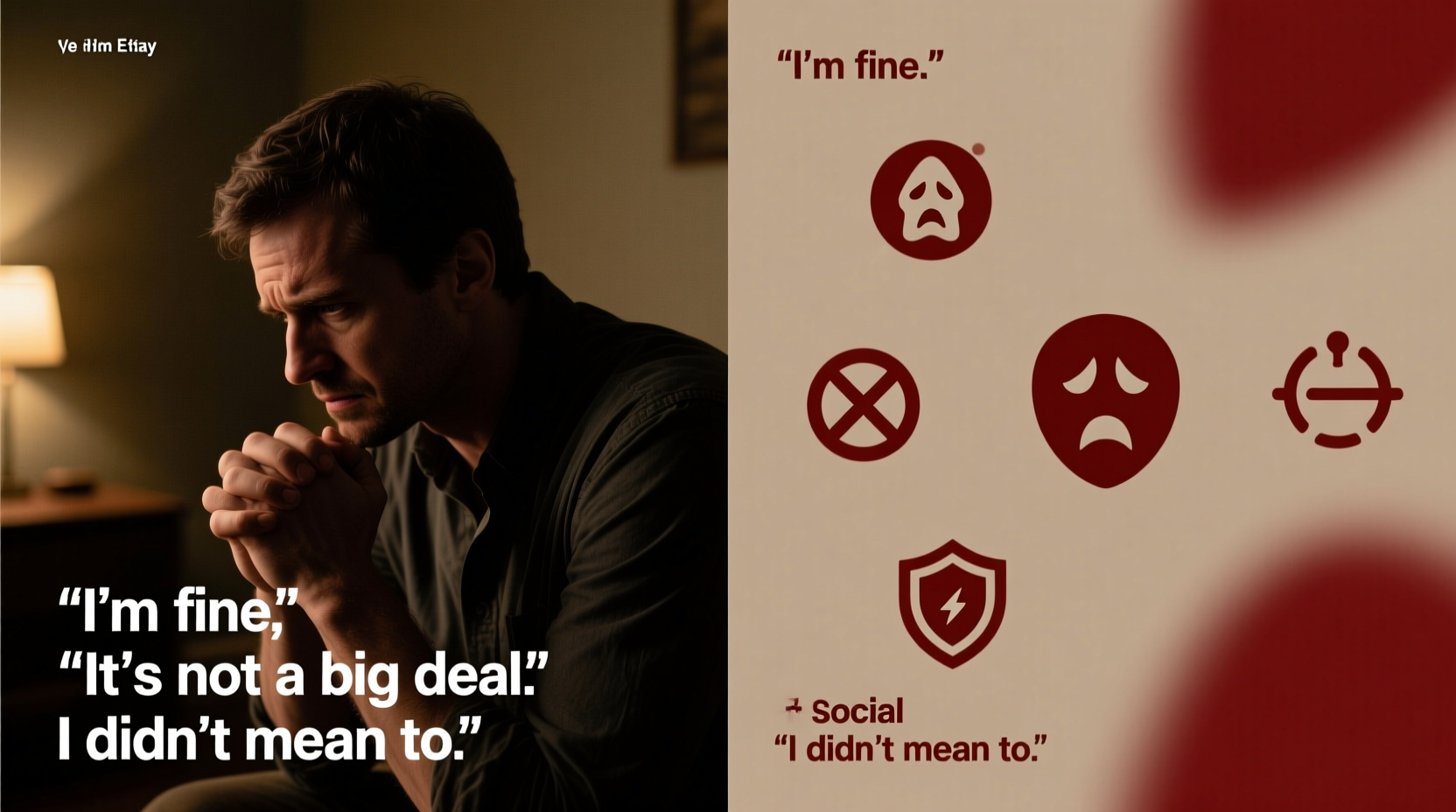
Lying is not inherently malicious. From an evolutionary standpoint, deception has served survival purposes—avoiding conflict, gaining advantage, or protecting oneself from harm. In modern contexts, especially interpersonal ones, lying often stems from emotional regulation rather than intent to deceive. Men, like all people, may lie when they perceive truth-telling as risky.
Research in social psychology suggests that men tend to lie for different reasons than women. According to Dr. Robert Feldman, a professor of psychological and brain sciences at the University of Massachusetts, “Men are more likely to lie to make themselves look better, while women often lie to protect others’ feelings.” This distinction highlights how societal expectations shape behavior.
“Lying is often less about deception and more about managing perception. For many men, honesty feels dangerous because it risks rejection or loss of control.” — Dr. Alan Hartley, Clinical Psychologist
Common Reasons Why Men Lie
Understanding the motivation behind a lie is key to addressing it constructively. Here are five primary reasons why men may choose dishonesty over transparency:
- Fear of Consequences: Whether it’s admitting infidelity, financial missteps, or failure at work, the anticipated fallout can feel overwhelming. Avoiding confrontation becomes a short-term coping mechanism.
- Desire for Approval: Some men lie to appear more successful, confident, or desirable. This includes exaggerating achievements, income, or relationship status.
- Avoidance of Conflict: Rather than face an uncomfortable conversation, some men opt for white lies to keep peace, even if it erodes trust over time.
- Protecting Self-Image: Societal norms often pressure men to appear strong, in control, and emotionally resilient. Admitting vulnerability or mistakes may feel like weakness.
- Habitual Patterns: In some cases, lying becomes automatic—developed during childhood or past relationships where honesty was punished or dismissed.
Social Conditioning and Masculinity Norms
From a young age, many men are taught to suppress emotions, solve problems independently, and avoid appearing vulnerable. These messages come from family, peers, media, and cultural ideals of masculinity. When emotional expression is discouraged, dishonesty can become a tool for emotional management.
For example, a man who grew up hearing “boys don’t cry” or “just toughen up” may struggle to admit insecurity, anxiety, or regret. Rather than risk judgment, he might downplay his struggles or fabricate confidence. Over time, this pattern extends into romantic relationships, friendships, and professional settings.
This doesn’t excuse dishonesty, but it explains its persistence. Breaking this cycle requires redefining strength—not as stoicism, but as courage to be honest, even when it’s difficult.
Do’s and Don’ts in Responding to Male Dishonesty
| Do’s | Don’ts |
|---|---|
| Approach the conversation calmly and without immediate judgment | Accuse or shame the person outright |
| Ask open-ended questions to understand motivation | Assume malice without exploring context |
| Reinforce that honesty will be met with empathy, not punishment | Use the lie as a weapon in future arguments |
| Reflect on whether the environment encourages openness | Ignore repeated patterns of deception |
Mini Case Study: The Job Loss Lie
Mark, a 38-year-old project manager, lost his job due to company downsizing. Fearing his partner would lose respect for him or worry about finances, he pretended to go to work each day for three weeks, returning home in the afternoon after spending time at the library. He applied for jobs diligently but avoided telling the truth until his partner noticed inconsistencies in his stories.
When confronted, Mark admitted he was ashamed and didn’t want to feel like a burden. His partner responded with concern rather than anger, saying, “I wish you’d trusted me enough to tell me sooner.” This moment became a turning point—the couple began attending couples counseling, where they worked on creating a safer space for emotional honesty.
This case illustrates how fear of judgment—not deceitfulness—often drives dishonesty. With compassion and structural support, truth can replace pretense.
How to Foster Honesty in Relationships
Creating an environment where honesty thrives requires intentional effort from both partners. It’s not enough to demand truth; you must also make it safe to speak it. Below is a step-by-step guide to building trust and encouraging transparency.
- Model Vulnerability: Share your own fears, mistakes, and insecurities first. When men see that openness is reciprocated, they’re more likely to follow suit.
- Respond Constructively: If someone admits a mistake, resist the urge to punish or lecture. Focus on resolution and learning.
- Clarify Intentions: Ask, “Are you sharing this because you want advice, support, or just to be heard?” This reduces defensiveness.
- Establish Boundaries: Make it clear that while honesty is valued, repeated manipulation or gaslighting is unacceptable.
- Encourage Therapy: Individual or couples counseling can help uncover deep-seated fears and improve communication skills.
FAQ
Is lying always a sign of disrespect?
No. While chronic or manipulative lying can indicate deeper issues, occasional dishonesty often reflects fear, insecurity, or poor coping strategies—not lack of respect. Context matters: a man lying about being late due to traffic is different from one hiding an affair.
Can a man change if he’s a habitual liar?
Yes, but only if he acknowledges the behavior and commits to change. Professional therapy, accountability, and consistent reinforcement of honesty are essential. Change takes time and cannot be forced by a partner alone.
Should I stay in a relationship where my partner lied?
It depends on the nature of the lie, frequency, remorse, and willingness to repair trust. Isolated incidents with genuine accountability can be overcome. Patterns of deception without effort to change may signal incompatibility or emotional unavailability.
Conclusion: Building a Culture of Truth
Understanding why men lie isn’t about excusing dishonesty—it’s about addressing its roots. Fear, social conditioning, and emotional illiteracy drive many lies, not inherent deceit. By fostering environments where vulnerability is respected and truth is met with compassion, we create space for authenticity to grow.
Trust isn’t built in grand gestures but in small, consistent choices to be honest—even when it’s hard. Whether you’re seeking to understand a partner, improve your own communication, or heal from betrayal, remember: honesty is a practice, not a trait. Start today by asking better questions, listening without judgment, and leading with courage.
💬 Have you experienced a breakthrough in honesty within a relationship? Share your story in the comments—your insight could help someone find their way toward deeper connection.








