It starts with a small hangnail or a rough patch of dry skin. Before you know it, your fingers are raw, tender, and bleeding — all because you couldn’t stop picking. You’re not alone. Skin picking on the fingers is a surprisingly common behavior that affects people across ages and lifestyles. While occasional peeling of dead skin might seem harmless, chronic picking can lead to infections, scarring, and emotional distress. Understanding why this happens and how to address it is the first step toward healing both your skin and your habits.
The Psychology Behind Finger Skin Picking
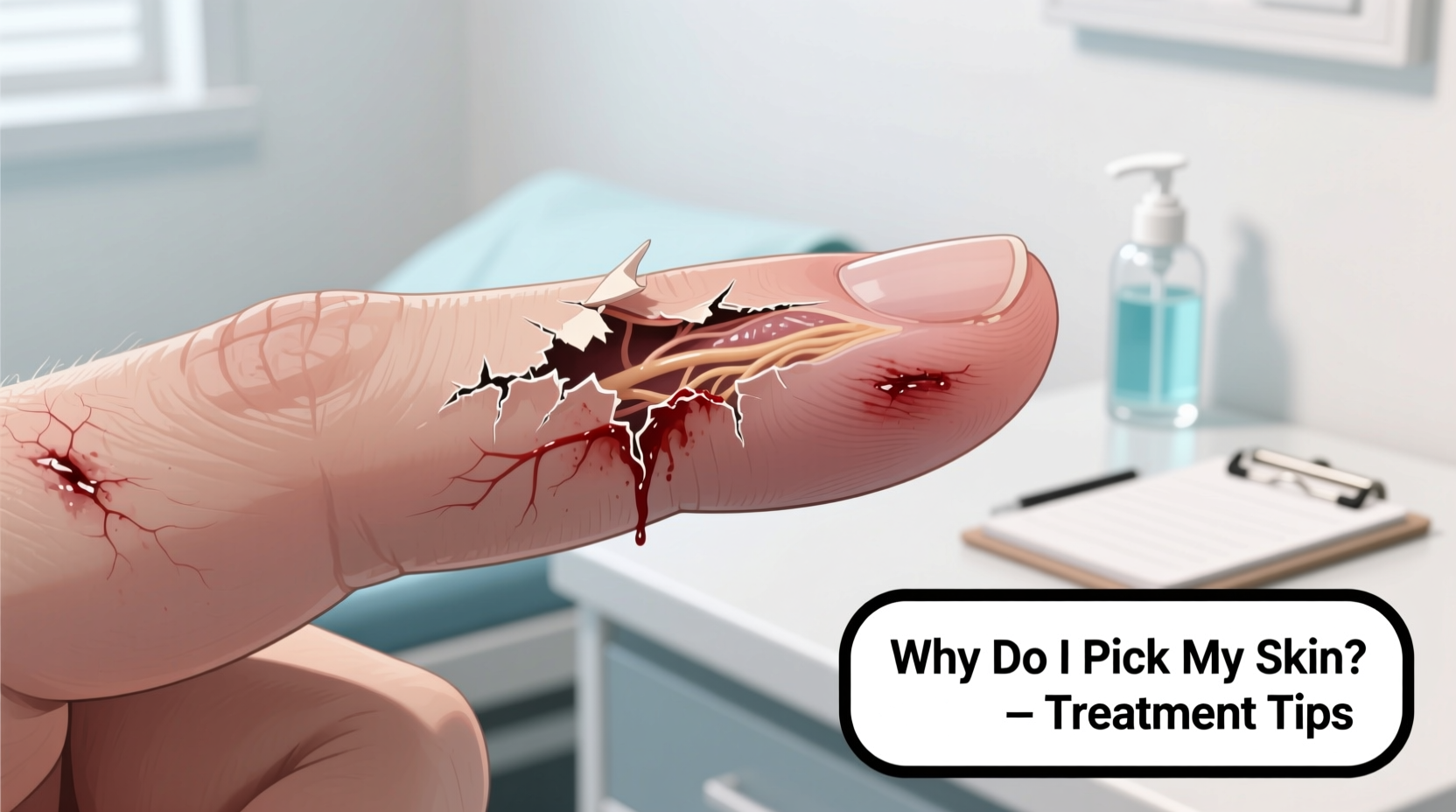
Skin picking isn't always just about appearance or discomfort. For many, it's a subconscious response to stress, anxiety, or boredom. The act of picking provides a temporary sense of control or relief, making it a compulsive behavior for some. This condition is clinically recognized as excoriation disorder, a type of body-focused repetitive behavior (BFRB) often linked to obsessive-compulsive spectrum disorders.
According to Dr. Karen Berlin Ishizuka, author and mental health advocate, “Skin picking is rarely about the skin itself. It’s a physical manifestation of internal tension — an attempt to manage emotions that feel overwhelming.”
“Skin picking is rarely about the skin itself. It’s a physical manifestation of internal tension — an attempt to manage emotions that feel overwhelming.” — Dr. Karen Berlin Ishizuka, Mental Health Researcher
Common psychological triggers include:
- Anxiety or high-stress environments
- Perfectionism or hyperfocus on minor imperfections
- Boredom or idle hands during screen time
- Underlying conditions like OCD, ADHD, or depression
Physical Causes That Encourage Picking
Beyond emotional drivers, several physical factors make finger skin more prone to picking:
- Dry skin: Especially in winter or low-humidity environments, dryness leads to flaking and cracking, which tempts picking.
- Hangnails: Small tears in the cuticle area often worsen when pulled, creating a cycle of irritation and picking.
- Eczema or dermatitis: Inflammatory skin conditions cause itching, redness, and peeling, prompting scratching or picking.
- Nail biting: Often overlaps with skin picking; damaged cuticles become focal points for manipulation.
- Chemical exposure: Frequent hand washing, sanitizers, or cleaning products strip natural oils, weakening skin integrity.
Repeated trauma from picking disrupts the skin’s natural healing process. What begins as a minor irritation can escalate into open sores, bacterial infections (like impetigo), or even permanent nail deformities if the cuticle is severely damaged.
Treatment Options and Healing Strategies
Effective treatment requires addressing both the physical damage and the behavioral pattern. A dual approach—combining skincare and habit modification—offers the best chance for lasting recovery.
Medical and Dermatological Treatments
If skin picking has led to infection or chronic inflammation, a healthcare provider may recommend:
- Topical antibiotics (e.g., mupirocin) for infected areas
- Prescription-strength moisturizers with urea or lactic acid
- Corticosteroid creams for eczema-related picking
- Antihistamines to reduce nighttime itching
In cases of excoriation disorder, cognitive-behavioral therapy (CBT) is considered the gold standard. A specific form called Habit Reversal Training (HRT) helps individuals recognize early warning signs and replace picking with healthier behaviors.
At-Home Care Routine
Consistent care can restore skin health and reduce the urge to pick:
- Wash hands with lukewarm water and a gentle, fragrance-free cleanser.
- Pat dry—never rub—and immediately apply a thick moisturizer.
- Use occlusive treatments at night (e.g., petroleum jelly under cotton gloves).
- Cover problem areas with bandages or silicone fingertip guards.
- Trim hangnails carefully with clean cuticle nippers—don’t pull them.
Prevention Checklist: Breaking the Cycle
Stopping the habit takes awareness and consistency. Use this checklist daily to stay on track:
- ✅ Moisturize hands 3–5 times per day, especially after washing
- ✅ Carry a small tube of hand cream in your bag or pocket
- ✅ Wear gloves in cold or dry weather
- ✅ Replace picking with a competing response (e.g., squeezing a stress ball)
- ✅ Set phone reminders to check in with your hands every few hours
- ✅ Avoid harsh soaps, alcohol-based sanitizers, and excessive hand washing
- ✅ Practice mindfulness or breathing exercises when urges arise
Real-Life Example: Sarah’s Journey to Healing
Sarah, a 28-year-old graphic designer, spent years picking at her cuticles during late-night work sessions. What started as a way to relieve stress turned into painful sores around all ten nails. After developing a minor infection, she visited a dermatologist who diagnosed her with early-stage excoriation disorder.
With guidance, Sarah began using overnight petroleum jelly wraps and switched to a non-drying hand soap. She also started seeing a therapist specializing in BFRBs. Within three months, her skin healed significantly. “The biggest change,” she says, “was replacing the habit. Now, when I feel the urge, I roll a piece of textured putty between my fingers instead.”
Do’s and Don’ts: Quick Reference Table
| Do’s | Don’ts |
|---|---|
| Apply rich moisturizers frequently | Peel or bite off hangnails |
| Cover healing areas with bandages | Use alcohol-heavy sanitizers multiple times a day |
| Use gloves for chores or cold weather | Ignore signs of infection (redness, pus, swelling) |
| Engage in alternative fidget activities | Scrub hands aggressively to “clean” picked areas |
| Seek professional help if the habit persists | Shame yourself — this is a treatable behavior |
Frequently Asked Questions
Is skin picking a sign of anxiety?
Yes, frequent skin picking is often associated with anxiety, stress, or emotional regulation challenges. While not everyone who picks has an anxiety disorder, the behavior commonly serves as a coping mechanism for nervous energy or intrusive thoughts.
How long does it take for picked skin to heal?
Mild surface damage typically heals within 7–14 days with proper care. Deeper wounds or chronic picking sites may take several weeks. Consistent moisturizing, protection from further trauma, and infection prevention are crucial for faster recovery.
Can children outgrow finger skin picking?
Some children do outgrow mild picking behaviors, especially if they’re related to temporary stressors. However, persistent or severe picking should be addressed early with pediatricians or child psychologists to prevent long-term habits.
Conclusion: Take Control One Step at a Time
Picking at your finger skin may feel like a small habit, but its impact can be far-reaching — physically, emotionally, and socially. The good news is that with the right understanding and tools, change is entirely possible. Healing begins with compassion, not criticism. Focus on progress, not perfection. Implement one new strategy at a time, whether it’s nightly moisturizing, wearing protective coverings, or seeking therapy.
💬 You're not alone in this struggle. Share your experience or tips in the comments—your story could inspire someone else to start their healing journey today.








