Nail ridges—vertical or horizontal lines that run from the cuticle to the tip—are a common concern for many people. While often harmless, they can sometimes signal underlying health issues or nutritional deficiencies. Understanding why ridges appear and what you can do about them is essential for maintaining not just nail health, but overall well-being.
Though aging is the most frequent cause of vertical ridges, other factors like trauma, dehydration, or systemic diseases may contribute. The good news is that in most cases, these ridges are treatable with lifestyle adjustments, proper nail care, and medical intervention when necessary.
Types of Nail Ridges and What They Mean
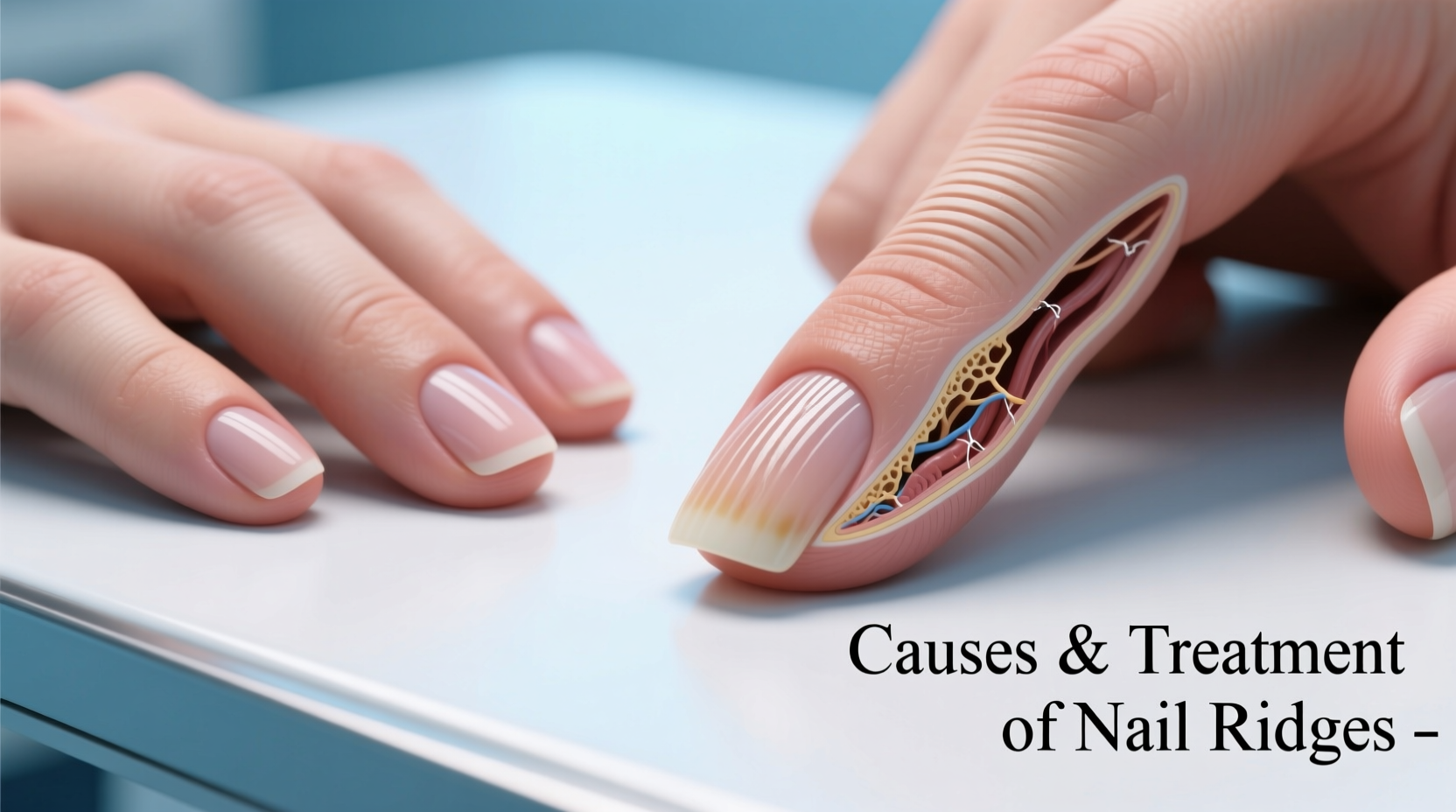
Nail ridges fall into two main categories: vertical and horizontal. Each type has different implications for health and requires distinct approaches to management.
- Vertical Ridges: These run from the base of the nail to the tip and are extremely common with age. They often appear as nails grow slower and the surface becomes less smooth.
- Horizontal Ridges (Beau’s Lines): These run across the nail and may indicate a temporary disruption in nail growth due to illness, injury, or severe stress.
Less commonly, deep horizontal grooves can be a sign of zinc deficiency, uncontrolled diabetes, or even cardiovascular events if they appear suddenly across multiple nails.
Tip: Use a soft nail buffer in one direction to gently smooth minor ridges without weakening the nail.Common Causes of Nail Ridges
The appearance of ridges isn’t always a red flag, but identifying the root cause helps determine whether action is needed. Here are the most frequent contributors:
Aging
As we age, cell turnover slows, including in the nail matrix—the area under the cuticle responsible for nail growth. This leads to thinner, more brittle nails with visible vertical ridges. It’s a natural part of aging, much like wrinkles on the skin.
Nutritional Deficiencies
Deficiencies in key nutrients can manifest in the nails. Common culprits include:
- Biotin (Vitamin B7)
- Vitamin B12
- Iron (linked to koilonychia or spoon-shaped nails)
- Zinc
- Protein
“Nails are a mirror of internal health. When patients present with pronounced ridges, I always evaluate their diet and recent illnesses.” — Dr. Lena Torres, Dermatologist
Trauma or Repetitive Stress
Frequent tapping, aggressive manicures, or occupational pressure (e.g., typing, playing instruments) can damage the nail bed over time, leading to irregular growth patterns and ridges.
Medical Conditions
Certain systemic diseases are associated with nail changes:
- Psoriasis: Can cause pitting, discoloration, and Beau’s lines.
- Thyroid disorders: Both hyper- and hypothyroidism may lead to brittle nails with ridges.
- Lichen planus: An inflammatory condition affecting skin and mucous membranes, including nails.
- Raynaud’s disease: Reduced blood flow can impair nail growth.
When to See a Doctor
Most vertical ridges require no medical treatment. However, certain signs warrant professional evaluation:
| Symptom | May Indicate | Action |
|---|---|---|
| New horizontal ridges | Illness, infection, or metabolic disruption | Consult primary care physician |
| Ridges with discoloration | Fungal infection or psoriasis | See a dermatologist |
| Pain or swelling around nail | Infection or inflammation | Seek immediate care |
| Sudden onset across multiple nails | Systemic illness (e.g., heart attack, high fever) | Review recent health history with doctor |
Treatment and Prevention Strategies
While you can't reverse aging-related ridges completely, you can minimize their appearance and support healthier nail growth through consistent care.
Dietary Adjustments
Support nail health from the inside out by focusing on nutrient-dense foods:
- Eggs, nuts, and whole grains for biotin
- Leafy greens and red meat for iron
- Fatty fish and fortified dairy for vitamin D and B12
- Oysters, pumpkin seeds, and legumes for zinc
Topical Care
Moisturizing the nail and cuticle prevents brittleness and enhances smoothness:
- Apply cuticle oil daily (containing jojoba or vitamin E)
- Use a ridge-filling base coat before polish
- Avoid harsh acetone-based removers
Protective Habits
Minimize external damage with practical daily choices:
- Wear gloves when cleaning or handling chemicals.
- Avoid using nails as tools (e.g., opening cans).
- Keep nails trimmed to reduce snagging and splitting.
- Limit gel manicures and acrylics, which can thin the nail plate.
Real-Life Example: Maria’s Experience with Nail Ridges
Maria, a 45-year-old office worker, noticed deep horizontal lines forming on her thumbnails after recovering from pneumonia. At first, she dismissed them as scarring, but when the ridges appeared on all ten nails months later, she consulted her doctor.
Blood tests revealed low zinc and mild anemia. Her physician linked the Beau’s lines to the period of high fever during her illness, which temporarily halted nail growth. With supplements and dietary changes—including spinach salads, lentils, and daily pumpkin seeds—her new nail growth improved within three months.
“I never thought my nails could tell me something was wrong,” Maria said. “Now I check them regularly like I would my skin or teeth.”
FAQ: Frequently Asked Questions
Can vitamin supplements improve nail ridges?
Yes, especially if a deficiency exists. Biotin supplements (2.5–5 mg/day) are widely studied for improving nail thickness and reducing splitting. However, results vary, and it may take 3–6 months to see improvement. Always consult a healthcare provider before starting supplements.
Are vertical ridges a sign of cancer?
Generally, no. Vertical ridges are rarely linked to cancer. However, dark streaks or pigmentation in the nail (especially if widening) should be evaluated immediately, as they can indicate subungual melanoma—a rare but serious form of skin cancer.
Do ridges go away on their own?
Vertical ridges from aging typically persist but can be minimized with care. Horizontal ridges (Beau’s lines) usually grow out with the nail and disappear over several months unless the underlying cause persists.
Final Steps: A Simple Action Plan
If you’re concerned about nail ridges, follow this step-by-step guide:
- Observe: Note when ridges appeared, their direction, and any accompanying symptoms (pain, color change).
- Assess: Review recent illnesses, diet, and nail care habits.
- Hydrate and Nourish: Increase water intake and eat protein-rich, vitamin-packed foods.
- Protect: Wear gloves, avoid trauma, and moisturize daily.
- Consult: If ridges are sudden, painful, or worsening, schedule a visit with a dermatologist or primary care provider.
Conclusion: Take Charge of Your Nail Health
Nail ridges are more than a cosmetic issue—they’re clues to your body’s inner state. While aging makes some changes inevitable, proactive care can preserve strength, appearance, and function. Whether it’s adjusting your diet, refining your nail routine, or seeking medical advice, small steps today can lead to stronger, healthier nails tomorrow.
💬 Have you noticed changes in your nails? Share your experience or questions below—your story might help someone else find answers.








