
Dry patches on the skin are a common concern affecting people of all ages and skin types. These rough, flaky areas can appear anywhere—on the arms, legs, face, or scalp—and may range from mildly annoying to severely uncomfortable. While occasional dryness is normal, persistent or recurring patches often signal an underlying cause that requires attention. Understanding why these patches develop and how to treat them effectively is essential for maintaining healthy, resilient skin.
Common Causes of Dry Skin Patches
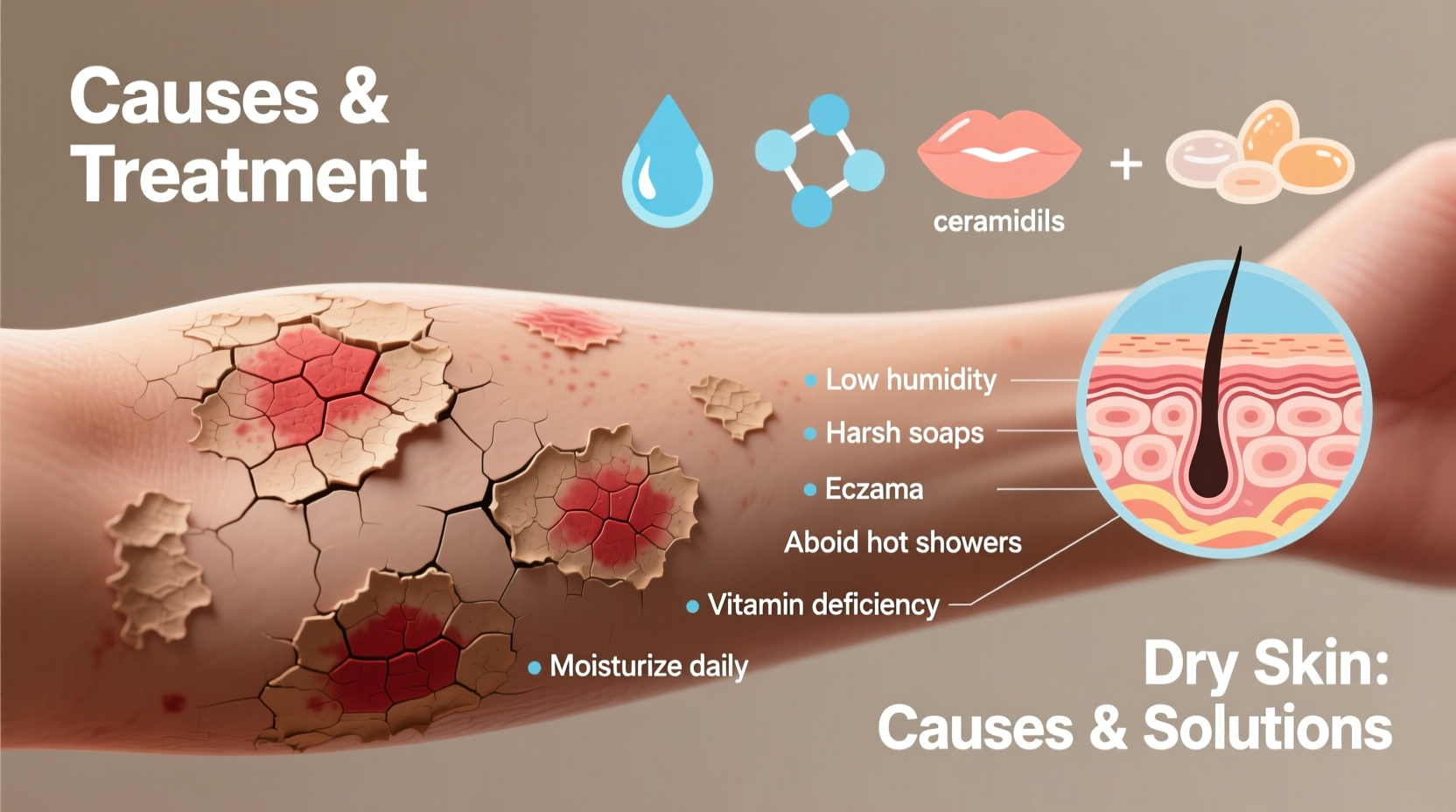
Dry skin occurs when the skin’s natural barrier loses moisture or fails to retain it. Several internal and external factors contribute to this imbalance. Identifying the root cause is the first step toward targeted relief.
- Environmental exposure: Cold weather, low humidity, and indoor heating strip moisture from the skin, especially during winter months.
- Harsh skincare products: Soaps, cleansers, and exfoliants with alcohol, fragrances, or sulfates disrupt the skin’s lipid barrier.
- Dehydration: Not drinking enough water reduces overall skin hydration, making dryness more likely.
- Aging: As we age, the skin produces less sebum (natural oil), leading to drier, thinner skin.
- Medical conditions: Eczema (atopic dermatitis), psoriasis, and ichthyosis are chronic skin disorders that cause persistent dry patches.
- Allergic reactions: Contact dermatitis from allergens like nickel, latex, or certain fabrics can trigger localized dryness and irritation.
- Medications: Some drugs, including acne treatments (retinoids), antihistamines, and diuretics, list dry skin as a side effect.
How to Treat Dry Skin Patches Effectively
Treatment depends on both the severity and underlying cause. Mild cases often respond well to lifestyle adjustments and over-the-counter care, while persistent or inflamed patches may require medical intervention.
- Moisturize immediately after washing: Apply a thick cream or ointment within three minutes of bathing to lock in moisture.
- Choose the right moisturizer: Look for ingredients like ceramides, hyaluronic acid, glycerin, and shea butter. Ointments (like petroleum jelly) are more effective than lotions for very dry areas.
- Use a humidifier: Adding moisture to indoor air helps prevent skin from drying out, especially at night.
- Switch to gentle skincare: Use fragrance-free, hypoallergenic cleansers and avoid scrubbing the skin.
- Wear soft, breathable fabrics: Cotton and bamboo are less irritating than wool or synthetic fibers.
When to See a Dermatologist
If dry patches persist despite home care, become red, itchy, cracked, or start bleeding, it’s time to consult a professional. A dermatologist can diagnose conditions like eczema or psoriasis and prescribe appropriate treatments such as topical corticosteroids, calcineurin inhibitors, or biologic therapies.
“Persistent dry patches aren’t just cosmetic—they can be signs of impaired skin barrier function or immune dysregulation. Early diagnosis prevents complications like infection.” — Dr. Lena Torres, Board-Certified Dermatologist
Do’s and Don’ts: Managing Dry Skin
| Do | Don't |
|---|---|
| Apply moisturizer twice daily | Scratch or peel dry skin |
| Use a fragrance-free laundry detergent | Use hot water for baths or showers |
| Stay hydrated throughout the day | Over-exfoliate or use harsh scrubs |
| Protect skin in cold weather with layers | Ignore worsening symptoms like cracking or oozing |
| Pat skin dry—don’t rub with a towel | Use alcohol-based toners or wipes |
Real-Life Example: Managing Winter-Induced Dryness
Sarah, a 34-year-old office worker in Chicago, noticed her lower legs developing rough, itchy patches every winter. Despite using lotion, the condition worsened until fine cracks appeared. After consulting her dermatologist, she learned she had asteatotic eczema—dry skin exacerbated by central heating and frequent hot showers. Her treatment plan included switching to a ceramide-rich moisturizer, installing a bedroom humidifier, and reducing shower frequency. Within three weeks, her skin improved significantly. The key was consistency and addressing environmental triggers, not just surface symptoms.
Step-by-Step Skincare Routine for Dry Patches
Follow this daily routine to restore and maintain skin hydration:
- Morning: Rinse face with lukewarm water. Pat dry. Apply a hydrating serum with hyaluronic acid, followed by a rich moisturizer and sunscreen (SPF 30+).
- Throughout the day: Reapply moisturizer to dry areas as needed, especially after handwashing.
- Evening: Cleanse gently with a non-foaming wash. Apply a thicker ointment or overnight balm to affected zones. For very dry areas, consider “wet wrap” therapy: apply moisturizer, dampen cotton clothing, wear over the area, then cover with dry fabric.
- Weekly: Exfoliate once a week with a mild lactic acid or urea-based product to remove dead skin cells and enhance absorption of moisturizers.
- Lifestyle: Drink at least 8 glasses of water daily, eat omega-3-rich foods (like salmon and walnuts), and avoid smoking, which impairs skin circulation.
Frequently Asked Questions
Can dry patches be a sign of something serious?
In most cases, dry patches are benign and linked to environment or routine habits. However, widespread or symmetrical patches that don’t improve with moisturizing could indicate eczema, psoriasis, or even thyroid issues. If accompanied by fatigue, weight changes, or hair loss, consult a doctor to rule out systemic conditions.
Is it safe to use steroid creams on dry skin?
Topical corticosteroids are effective for inflammatory dry skin conditions like eczema but should only be used under medical supervision. Long-term or improper use can thin the skin or cause rebound flare-ups. Always follow prescribed duration and strength guidelines.
Why do I still get dry patches even if I moisturize every day?
Daily moisturizing is important, but effectiveness depends on product choice and timing. Lotions evaporate quickly; creams and ointments are better for sealing moisture. Also, if you’re cleansing with harsh soaps or exposing skin to irritants, you may be undermining your efforts. Focus on repairing the skin barrier, not just surface hydration.
Conclusion: Take Control of Your Skin Health
Dry skin patches are more than a cosmetic nuisance—they reflect your skin’s response to internal balance and external stressors. By identifying triggers, adopting a science-backed skincare routine, and knowing when to seek expert help, you can achieve smoother, healthier skin year-round. Small, consistent changes make a lasting difference. Start today by evaluating your current habits and replacing one damaging practice with a healing alternative.
💬 Have you struggled with dry skin? Share your experience or tips in the comments—your insight could help someone find relief.








