
Blisters on the feet are a common yet often underestimated issue that can disrupt daily activities, sideline athletes, and make even short walks uncomfortable. These fluid-filled pockets form as a protective response when the skin is damaged by friction, heat, or moisture. While most blisters heal on their own, understanding why they appear—and how to treat and prevent them—is essential for maintaining foot health. Whether you're an avid hiker, someone who stands for long hours at work, or just trying to find comfortable footwear, knowing how to manage foot blisters can save you from unnecessary pain and complications.
What Causes Blisters on the Feet?
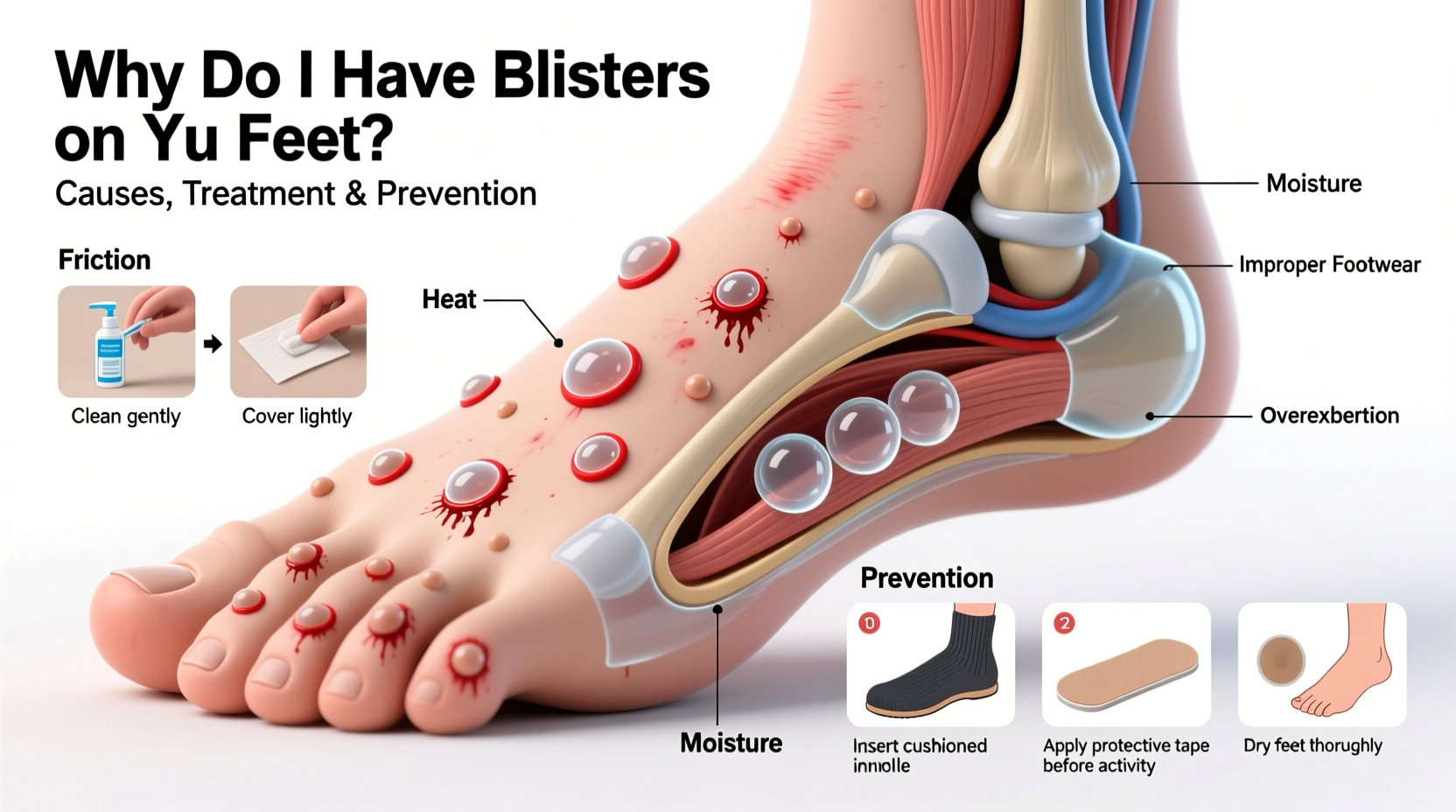
Foot blisters primarily result from repeated friction, pressure, or exposure to extreme conditions. The top layer of skin separates from the layers beneath, and fluid fills the gap to cushion the underlying tissue. Common triggers include:
- Ill-fitting shoes: Shoes that are too tight create pressure points; those that are too loose allow the foot to slide, increasing friction.
- Prolonged physical activity: Running, hiking, or walking long distances without proper preparation increases blister risk.
- Moisture and sweat: Damp feet soften the skin, making it more vulnerable to rubbing and tearing.
- Heat: Hot environments or wearing non-breathable socks can lead to burns or heat-induced blisters.
- Medical conditions: Certain skin disorders like dyshidrotic eczema or autoimmune diseases such as pemphigus may cause blistering.
Foot blisters are especially common among runners, military personnel, and individuals with jobs requiring extended standing or walking. A study published in the *Journal of Athletic Training* found that up to 39% of marathon runners experience blisters during races—highlighting how widespread this issue truly is.
Tip: Always break in new shoes gradually. Wear them around the house or on short walks before using them for long outings.Treatment Options for Foot Blisters
Most blisters heal naturally within a few days if left undisturbed. However, proper care reduces the risk of infection and speeds recovery. The approach depends on whether the blister is intact, torn, or already broken.
Step-by-Step Guide to Treating Blisters
- Clean the area: Wash your hands and gently clean the blister with mild soap and water.
- Do not pop small, unbroken blisters: Nature’s best protection is the skin covering the blister. Popping increases infection risk.
- For large or painful blisters: If drainage is necessary, sterilize a needle with alcohol, gently puncture the edge, and let fluid drain. Do not remove the overlying skin.
- Apply antiseptic: Use an over-the-counter antiseptic solution or ointment like povidone-iodine or bacitracin.
- Cover with a bandage: Use a non-stick dressing or blister pad to protect the area and reduce pressure.
- Monitor for infection: Watch for redness, swelling, pus, or increasing pain—signs that medical attention may be needed.
If the blister roof tears on its own, trim any loose edges with sterilized scissors, apply antibiotic ointment, and cover with a sterile dressing. Change the dressing daily or whenever it becomes wet or dirty.
“Leaving a blister intact is almost always the safest choice. The skin acts as a natural barrier against bacteria.” — Dr. Lena Torres, Podiatrist and Sports Medicine Specialist
Prevention Strategies That Work
Preventing blisters is far more effective than treating them. Simple changes in footwear, sock selection, and foot care routines can drastically reduce occurrence.
Key Prevention Tips
Tip: Double-layer socks reduce internal friction by allowing layers to move against each other instead of your skin.- Wear moisture-wicking socks made of synthetic fibers or merino wool—avoid cotton, which retains sweat.
- Ensure shoes fit properly with enough room in the toe box and minimal heel slippage.
- Use lubricants (like petroleum jelly) or anti-chafe balms on high-friction areas before activity.
- Apply blister-prevention tapes or patches (e.g., Leukotape, Compeed) to vulnerable spots such as heels or toes.
- Keep feet dry by changing socks midday during long hikes or shifts.
- Trim toenails regularly to prevent pressure from curled or long nails.
| Prevention Method | Effectiveness | Best For |
|---|---|---|
| Motion-control footwear | High | Runners, people with overpronation |
| Double-layer socks | High | Hikers, athletes |
| Vaseline or anti-blister balm | Moderate | Short-term use, occasional walkers |
| Blister plasters | Very High | Known problem areas (heels, toes) |
| Cotton socks | Low (increases risk) | Not recommended for active use |
Real-Life Scenario: A Hiker’s Lesson in Blister Prevention
Mark, an experienced weekend hiker, decided to tackle a 15-mile trail in newly purchased boots. Despite their comfort in the store, he skipped breaking them in. By mile six, he felt hot spots forming on both heels. He ignored them, thinking the discomfort would fade. By mile ten, two large, painful blisters had formed, forcing him to stop and limp back. The next week, Mark visited a podiatrist who advised him to use moisture-wicking socks, apply blister tape preemptively, and never wear new boots on long hikes. On his next trip, he followed the advice—and completed the hike without a single blister.
This case illustrates how even minor oversights—like skipping the break-in period—can lead to significant setbacks. Prevention isn’t just about gear; it’s about habits and preparation.
Frequently Asked Questions
Should I pop a blister on my foot?
Generally, no. Popping a blister introduces bacteria and delays healing. Only consider draining it if it's very large, painful, and likely to burst anyway. Always sterilize tools and leave the skin intact to protect the wound.
How long does a foot blister take to heal?
An uncomplicated blister typically heals within 3 to 7 days if protected and kept clean. Larger or infected blisters may take longer and require medical treatment.
Can diabetes affect blister healing?
Yes. People with diabetes often have reduced circulation and nerve damage (neuropathy), which can delay healing and increase infection risk. Any foot injury, including blisters, should be monitored closely and treated promptly.
Checklist: Preventing Foot Blisters
- ✅ Try on shoes at the end of the day when feet are slightly swollen
- ✅ Choose socks made of synthetic or wool blends, not cotton
- ✅ Apply blister pads or tape to known friction zones before activity
- ✅ Break in new shoes gradually over several days
- ✅ Carry extra socks and change them if feet get sweaty
- ✅ Inspect feet daily for early signs of redness or hot spots
- ✅ Keep a blister care kit in your bag or backpack
Conclusion: Take Control of Your Foot Health
Blisters on the feet are more than just a minor annoyance—they’re a signal that something in your footwear or routine needs adjustment. By understanding the causes, applying smart treatment methods, and committing to consistent prevention, you can keep your feet comfortable and blister-free. Whether you're training for a marathon or simply walking through your workday, proactive foot care makes all the difference. Start today: assess your shoes, upgrade your socks, and treat your feet with the attention they deserve.
💬 Have a blister tip that works for you? Share your experience in the comments and help others stay one step ahead of foot pain.








