Hamsters are fascinating pets known for their curious behaviors, none more iconic than the way they puff out their cheeks with food or nesting material. This seemingly comical habit is deeply rooted in their biology and evolutionary history. While cheek stuffing is natural and usually harmless, under certain conditions it can signal or lead to serious health complications. Understanding both the instinct behind this behavior and the risks involved is essential for any responsible hamster owner.
In the wild, survival depends on adaptability and resourcefulness. Hamsters, being small prey animals, have developed unique mechanisms to maximize their chances of finding and securing food while minimizing exposure to predators. One of these adaptations is their expandable cheek pouches—specialized structures that allow them to carry large quantities of food over distances. But as endearing as this trait may appear in captivity, unchecked or abnormal use of these pouches can result in medical issues ranging from impaction to infection.
The Biology Behind Cheek Pouches
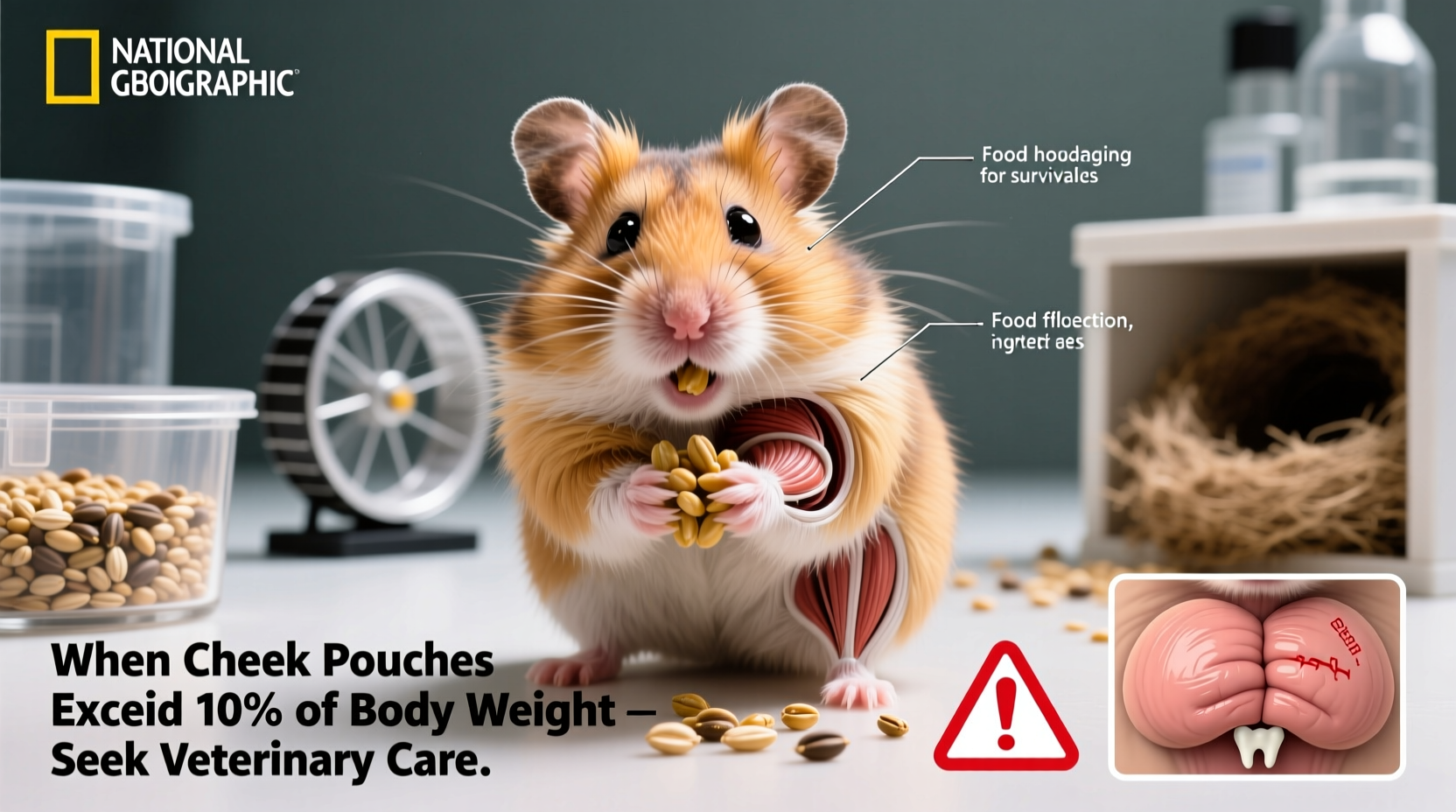
Hamsters possess two elastic cheek pouches that extend from their mouth all the way back to their shoulders. These pouches are made of soft, stretchy tissue capable of expanding many times the size of the hamster’s head. Unlike human cheeks, which are primarily muscular and used for facial expression and speech, hamster cheek pouches function like built-in grocery bags—designed specifically for transport.
The evolutionary advantage is clear: in arid or unpredictable environments where food sources are scattered and competition high, the ability to gather and relocate provisions quickly gives hamsters a significant edge. They can forage rapidly, fill their pouches, and retreat to the safety of their burrows before predators notice them. Once inside, they unload the contents and store them in designated chambers within their nest.
This behavior isn’t limited to food. In both wild and domestic settings, hamsters often use their pouches to carry bedding materials such as shredded paper or hay. The act of transporting nesting supplies mirrors their natural tendency to prepare secure, insulated homes underground.
“Cheek pouches are one of the most specialized anatomical features in rodents. They reflect millions of years of adaptation to harsh, resource-scarce environments.” — Dr. Lena Torres, Veterinary Ethologist
When Normal Behavior Turns Risky
While stuffing their cheeks is perfectly normal, problems arise when the pouches become impacted, infected, or injured. Because these pockets are deep and not easily visible, owners may overlook early signs of trouble until symptoms worsen.
Pouch impaction occurs when food or foreign material gets stuck and cannot be emptied. This is especially common if a hamster consumes sticky, fibrous, or sharp items such as peanut butter, dried fruit with sugar residue, or coarse timothy hay. Over time, impacted material can press against nerves, cause ulceration, or block saliva drainage, leading to discomfort and secondary infections.
Pouch eversion, though rare, happens when the inner lining of the pouch turns inside out and protrudes from the mouth. This condition requires immediate veterinary attention and is often the result of chronic irritation or trauma from inappropriate foods.
Pouch abscesses develop when bacteria grow in retained organic matter. Swelling, foul odor, drooling, or refusal to eat are telltale signs. Left untreated, an abscess can rupture internally or spread infection to surrounding tissues.
Tip: Regularly observe your hamster during feeding to ensure it fully empties its cheeks within a few hours.Common Causes of Cheek Pouch Problems
- Feeding inappropriate foods: Sticky, sugary, or sharp-edged items increase the risk of impaction.
- Poor cage hygiene: Dirty environments promote bacterial growth, increasing infection risk.
- Chewing on cage bars: Can cause abrasions or tears in the delicate pouch lining.
- Dehydration: Dry tissues are more prone to cracking and trapping debris.
- Tumors (in older hamsters): Rare but possible; growths can obstruct normal pouch function.
One of the challenges in identifying pouch issues early is that hamsters are masters at hiding pain—a survival mechanism inherited from the wild. A hamster may continue eating, grooming, and moving normally even when experiencing internal discomfort. Subtle cues such as asymmetrical cheek swelling, head tilting while chewing, or dropping food mid-carry should prompt closer inspection.
Preventive Care Checklist
Proactive monitoring and proper husbandry significantly reduce the likelihood of cheek pouch complications. Follow this checklist to keep your hamster healthy:
✅ Preventive Care Checklist for Hamster Cheek Pouch Health- Feed only safe, dry, non-sticky foods (e.g., pellet mixes, plain seeds).
- Avoid giving honey sticks, dried fruits with added sugar, or nut butters.
- Provide fresh water daily to maintain mucosal hydration.
- Inspect your hamster weekly for lopsided swelling or discharge.
- Clean the cage thoroughly at least once a week to minimize pathogens.
- Offer soft, shredded paper or coconut fiber instead of rough bedding.
- Schedule annual wellness checks with an exotic pet veterinarian.
Step-by-Step Guide: What to Do If You Suspect a Pouch Issue
If you notice anything unusual about your hamster’s cheek area, follow these steps to assess and respond appropriately:
- Observe closely: Watch your hamster eat and empty its pouches. Note how long it takes and whether there’s visible difficulty.
- Check for physical signs: Look for persistent bulges, redness, open sores, or foul-smelling discharge around the mouth.
- Review diet: Eliminate any suspect foods that could contribute to impaction.
- Isolate if necessary: If other hamsters are present, separate the affected individual to prevent stress or competition over food.
- Contact a vet: Reach out to a veterinarian experienced with small mammals. Do not attempt to manually remove impacted material—this can cause tearing.
- Follow treatment protocols: Depending on diagnosis, treatment may include antibiotics, anti-inflammatories, or minor surgical intervention under anesthesia.
- Monitor recovery: After treatment, track appetite, activity levels, and pouch symmetry daily for at least a week.
Real-Life Example: Bella the Syrian Hamster
Bella, a two-year-old female Syrian hamster, was brought to a specialty exotics clinic after her owner noticed she hadn’t been emptying her right cheek for several days. Initially dismissed as quirky behavior, the persistent bulge grew larger and began emitting a faint sour odor. Upon examination, the veterinarian discovered a compacted mass of dried banana chips and nesting fibers lodged deep within the pouch.
X-rays confirmed no bone involvement, but ultrasound revealed inflammation consistent with early-stage infection. The vet gently flushed the pouch under light sedation and prescribed a course of oral antibiotics. Bella responded well within 72 hours, regaining normal feeding patterns and full mobility of her cheek.
Her case highlights two critical points: first, that even “safe” treats like dried fruit can pose risks if not given sparingly; second, that timely veterinary care prevents progression to life-threatening conditions such as sepsis or necrosis.
Do’s and Don’ts: Feeding and Handling Practices
| Do’s | Don’ts |
|---|---|
| Offer fresh vegetables in moderation (e.g., cucumber, carrot) | Give sticky treats like yogurt drops or honey-coated snacks |
| Use commercial hamster pellets as a dietary base | Allow access to sharp-edged hay or pine shavings |
| Provide constant access to clean drinking water | Handle the hamster roughly near the face or jawline |
| Encourage natural foraging with puzzle feeders | Ignore prolonged cheek fullness beyond 12 hours |
| Trim overgrown teeth if needed (by a vet) | Probe or squeeze swollen cheeks yourself |
Frequently Asked Questions
How much can a hamster fit in its cheeks?
A healthy hamster can carry up to half its body weight in its cheek pouches. For a typical adult Syrian hamster weighing around 150 grams, that means carrying roughly 75 grams of food—equivalent to several large sunflower seeds or a chunk of vegetable.
Is it normal for my hamster to sleep with full cheeks?
Yes, especially if it has recently gathered food. Some hamsters prefer to keep provisions close while resting, particularly in new or stressful environments. However, if the pouch remains distended for more than 12–24 hours, consult a vet.
Can cheek pouch problems be fatal?
Yes, if left untreated. Chronic impaction can lead to infection, abscess formation, tissue death, and systemic illness. Early detection and professional care are crucial to preventing severe outcomes.
Conclusion: Balancing Nature and Safety
Hamsters stuff their cheeks because it’s an instinct encoded in their DNA—a remarkable adaptation that once meant the difference between survival and starvation. As caretakers, we honor this natural drive by providing enriching environments where they can express these behaviors safely. Yet, with that freedom comes responsibility. The same traits that make hamsters resilient in the wild can become liabilities in captivity without proper oversight.
By understanding the anatomy behind cheek pouches, recognizing warning signs early, and adhering to best practices in diet and hygiene, you can ensure your hamster lives a comfortable, healthy life. These small creatures rely entirely on us to interpret their silent struggles and intervene when needed.
💬 Have you noticed unusual cheek behavior in your hamster? Share your experience or questions below—your story might help another pet owner spot a problem sooner.








