
Guinea pigs are gentle, social creatures whose behaviors often delight their owners. One of the most endearing displays is the sudden burst of energetic jumps—twisting mid-air, darting across the cage, or leaping straight up with no apparent reason. This behavior, affectionately known as \"popcorning,\" is a hallmark of a joyful guinea pig. But what exactly causes it? Is it always a sign of happiness? And should you be concerned if your guinea pig doesn’t do it?
Understanding popcorning goes beyond mere curiosity—it’s a window into your pet’s emotional and physical well-being. When interpreted correctly, this behavior can help you assess whether your guinea pig feels safe, stimulated, and healthy. More than just a quirky habit, popcorning reflects the inner world of an animal that communicates largely through movement and sound.
The Science Behind Popcorning: Why Do Guinea Pigs Jump?
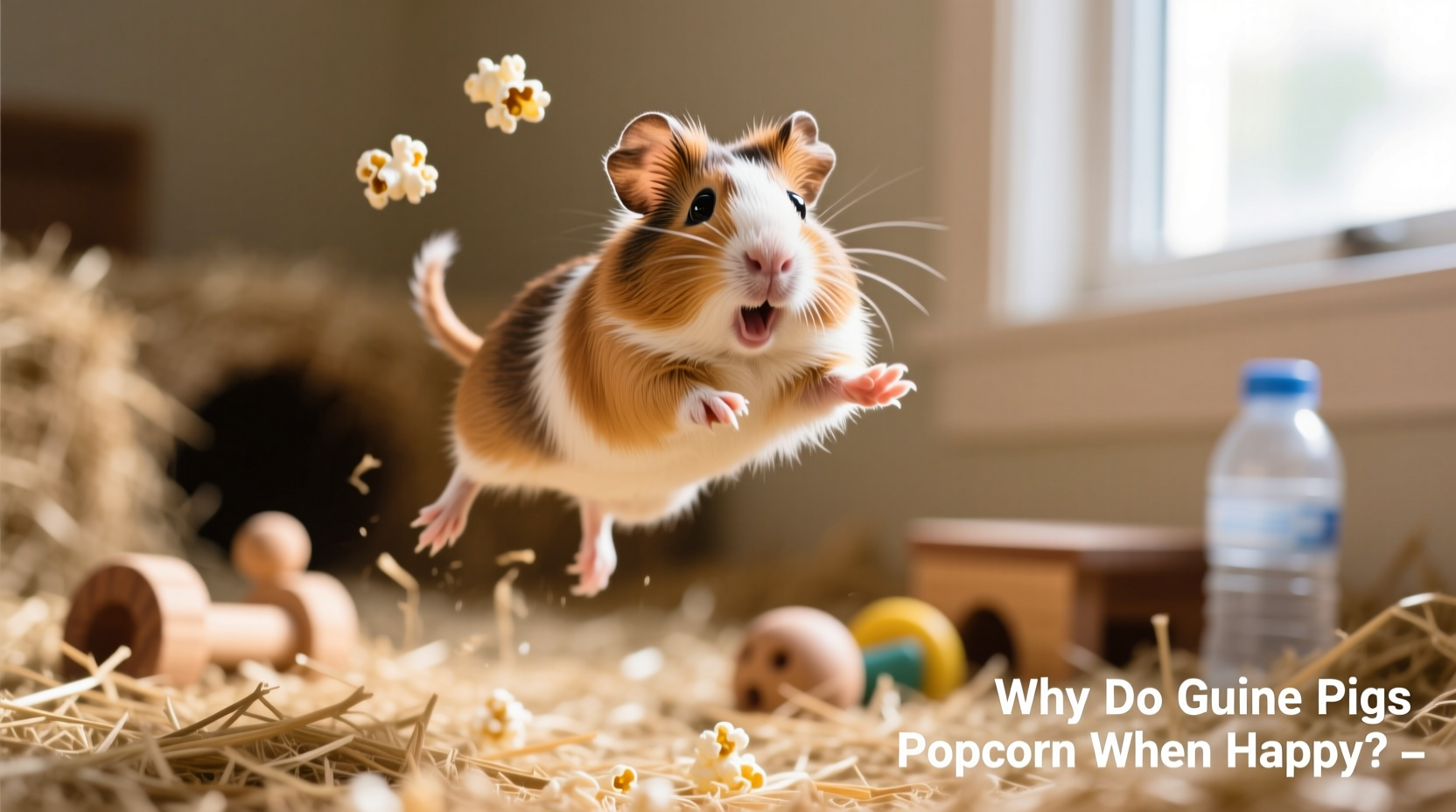
Popcorning refers to the rapid, erratic bursts of jumping seen in guinea pigs, especially young ones. The name comes from the resemblance to popcorn kernels popping in a pan—sudden, unpredictable, and full of energy. These movements typically involve quick hops into the air, often with a twist or zigzag motion, followed by a return to normal activity almost immediately.
This behavior is rooted in both instinct and emotion. In the wild, guinea pigs are prey animals, constantly alert to danger. Their natural response to stimuli—whether positive or negative—is often a swift physical reaction. However, when a guinea pig pops in a relaxed environment, surrounded by familiar scents and sounds, it’s almost always a sign of excitement or joy.
Neurologically, popcorning is linked to the release of dopamine and other feel-good neurotransmitters. Much like humans laugh or dance when elated, guinea pigs express euphoria through movement. It’s particularly common after periods of rest, upon seeing a favorite human, or when introduced to a new play area.
“Popcorning is one of the clearest indicators of positive affect in guinea pigs. It shows they feel secure enough to let go and express themselves physically.” — Dr. Laura Hamill, Small Mammal Ethologist
When Popcorning Happens: Common Triggers and Contexts
While popcorning is generally spontaneous, certain triggers reliably bring it on. Recognizing these can help you create an enriching environment for your pet.
- Release from confinement: Taking a guinea pig out of its cage for floor time often results in immediate popcorning. The sudden access to space and freedom ignites bursts of energy.
- Feeding time: The sight or smell of fresh vegetables—especially bell peppers or carrots—can trigger joyful leaps.
- Social interaction: Seeing a bonded companion or a trusted human may prompt popcorn-like behavior, especially if the reunion follows separation.
- New environments: A clean, rearranged cage or a novel playpen can stimulate exploration and exuberant movement.
- Morning activity: Many guinea pigs are most active at dawn and dusk (crepuscular), making early morning a prime time for spontaneous jumps.
Popcorning vs. Other Jumping Behaviors: How to Tell the Difference
Not all jumps indicate happiness. Because guinea pigs rely heavily on body language, it’s essential to distinguish popcorning from stress-related or fear-based movements.
| Behavior Type | Body Language | Context | Emotional State |
|---|---|---|---|
| Popcorning | Loose, bouncy movements; ears relaxed; eyes bright | During play, feeding, or social interaction | Happy, excited, content |
| Fear Jumping | Rigid posture; freezing between jumps; wide eyes | Loud noises, sudden movements, unfamiliar animals | Anxious, startled, fearful |
| Bolting | Fast, linear sprints; head low; tail tucked | Perceived threat or chase response | Stressed, panicked |
| Warning Stomp | Heavy foot tapping; upright stance | Displeasure with environment or routine | Irritated, asserting boundaries |
True popcorning is playful and intermittent. The guinea pig will often pause, sniff the air, nibble something, then burst into another round of jumps. In contrast, fear-driven movements are tense, repetitive, and accompanied by vocalizations like shrieking or rumbling.
Age, Health, and Popcorning Frequency
Popcorning is most common in young guinea pigs, typically under one year old. Juveniles have higher energy levels and are still exploring how their bodies move. As guinea pigs age, their activity levels naturally decline. While older pigs may still pop occasionally, frequent high-energy bursts become less common.
However, a complete absence of popcorning isn’t necessarily a red flag. Some guinea pigs are naturally more reserved. Shy or timid individuals may express joy through quieter behaviors—like purring, nudging, or following their owner closely—rather than acrobatics.
On the other hand, if a normally active guinea pig suddenly stops popcorning, it could signal underlying issues:
- Pain or discomfort: Arthritis, pododermatitis (bumblefoot), or dental pain can limit mobility.
- Respiratory illness: Labored breathing makes exertion difficult.
- Environmental stress: Changes in cage mates, location, or routine may suppress natural behaviors.
- Depression or loneliness: Guinea pigs are social animals. Isolation can lead to lethargy and reduced expression of joy.
“A geriatric guinea pig won’t pop like a youngster, but a sudden drop in activity in any pig warrants a vet check. Mobility and mood are closely linked.” — Dr. Rebecca Tran, Exotic Pet Veterinarian
Mini Case Study: Luna’s Comeback Popcorn
Luna, a three-year-old female guinea pig, had stopped being active after her long-term companion passed away. Her owner, Maria, noticed she no longer ran to the front of the cage at feeding time and hadn’t popped in months. Concerned, Maria brought Luna to a small mammal vet, who ruled out physical illness but suggested emotional support.
Maria introduced Luna to a calm male guinea pig named Oreo after a careful quarantine and supervised introduction. Within two weeks, the two formed a bond. One evening, as Maria placed fresh parsley in their shared enclosure, Luna leapt into the air with a twist—her first popcorn in over six months. Over the next few days, the jumps returned intermittently, signaling that Luna was emotionally recovering.
This case illustrates that while age reduces popcorning frequency, its disappearance due to psychological factors can be reversible with proper care and companionship.
How to Encourage Healthy Popcorning Behavior
You can’t force a guinea pig to pop—but you can create conditions where joy and confidence flourish. The goal isn’t to manufacture entertainment, but to support a lifestyle that allows natural behaviors to emerge.
Step-by-Step Guide to Enrichment for Joyful Expression
- Ensure proper housing: Provide at least 7.5 square feet per guinea pig. Larger spaces allow for running and exploration.
- Introduce daily floor time: Let your guinea pig roam in a safe, enclosed area for 1–2 hours daily. Use baby gates and remove hazards.
- Offer mental stimulation: Rotate tunnels, cardboard boxes, and hideouts weekly to maintain novelty.
- Feed a balanced diet: Fresh hay, vitamin C-rich vegetables, and limited pellets support overall vitality.
- Promote social bonds: House guinea pigs in compatible pairs or trios. Never keep them alone unless medically necessary.
- Minimize stressors: Keep cages away from loud appliances, predators (like cats), and sudden environmental changes.
- Engage gently: Talk softly, offer hand-fed treats, and respect their pace. Trust encourages openness.
FAQ: Common Questions About Popcorning
Do all guinea pigs popcorn?
No, not all guinea pigs popcorn regularly. While most juveniles do, personality plays a big role. Shy, cautious, or older guinea pigs may rarely or never exhibit this behavior—and that’s perfectly normal as long as they show other signs of contentment, such as purring, grooming, and eating well.
Can popcorning be a sign of pain or seizures?
In rare cases, uncontrolled muscle spasms or neurological issues can mimic popcorning. True seizure activity is usually rigid, repetitive, and may include drooling, loss of coordination, or unconsciousness. Popcorning, by contrast, is fluid, voluntary, and integrated with normal behavior. If you’re unsure, consult an exotic veterinarian.
My guinea pig only pops at night. Is that odd?
Not at all. Guinea pigs are crepuscular, meaning they’re most active during twilight hours—dawn and dusk. Some are also active at night, especially if undisturbed. As long as the behavior is playful and not frantic, nighttime popcorning is a healthy expression of natural rhythms.
Checklist: Signs Your Guinea Pig Is Happy (Beyond Popcorning)
Popcorning is just one indicator of well-being. Use this checklist to assess overall happiness:
- ✅ Eats consistently and chews hay throughout the day
- ✅ Grooms itself regularly and stays clean
- ✅ Makes soft purring or rumbling sounds when handled
- ✅ Approaches you willingly and nuzzles your hand
- ✅ Explores new objects without freezing or fleeing
- ✅ Sleeps with eyes closed in a relaxed posture
- ✅ Interacts positively with cage mates (no chasing or fur chewing)
If your guinea pig meets most of these criteria, they’re likely thriving—even if they’ve never done a single popcorn jump.
Conclusion: Celebrating the Joy in Small Movements
Popcorning is more than a cute quirk—it’s a testament to the emotional depth of guinea pigs. These small animals experience genuine joy, and when they feel safe, they express it boldly. By understanding what drives this behavior, you deepen your connection with your pet and become better equipped to meet their needs.
Whether your guinea pig leaps like a springbok or expresses happiness through quiet purrs, what matters most is consistency, comfort, and companionship. Create an environment where natural behaviors can flourish, and you’ll be rewarded with moments of pure, unfiltered delight.
💬 Have a story about your guinea pig’s happiest moment? Share it in the comments—we’d love to hear how your little one expresses joy!








