
Guinea pigs are known for their gentle, social nature, making them beloved pets in homes around the world. Yet even the most docile guinea pig may occasionally nip or bite, leaving owners confused and concerned. While biting is not typical of their usual behavior, it’s rarely an act of aggression without cause. Understanding why guinea pigs bite—whether out of fear, discomfort, or miscommunication—is essential to fostering a trusting relationship. This guide explores the root causes of biting, how to interpret your pet’s body language, and practical steps you can take to prevent unwanted nips and strengthen your bond.
Common Reasons Why Guinea Pigs Bite
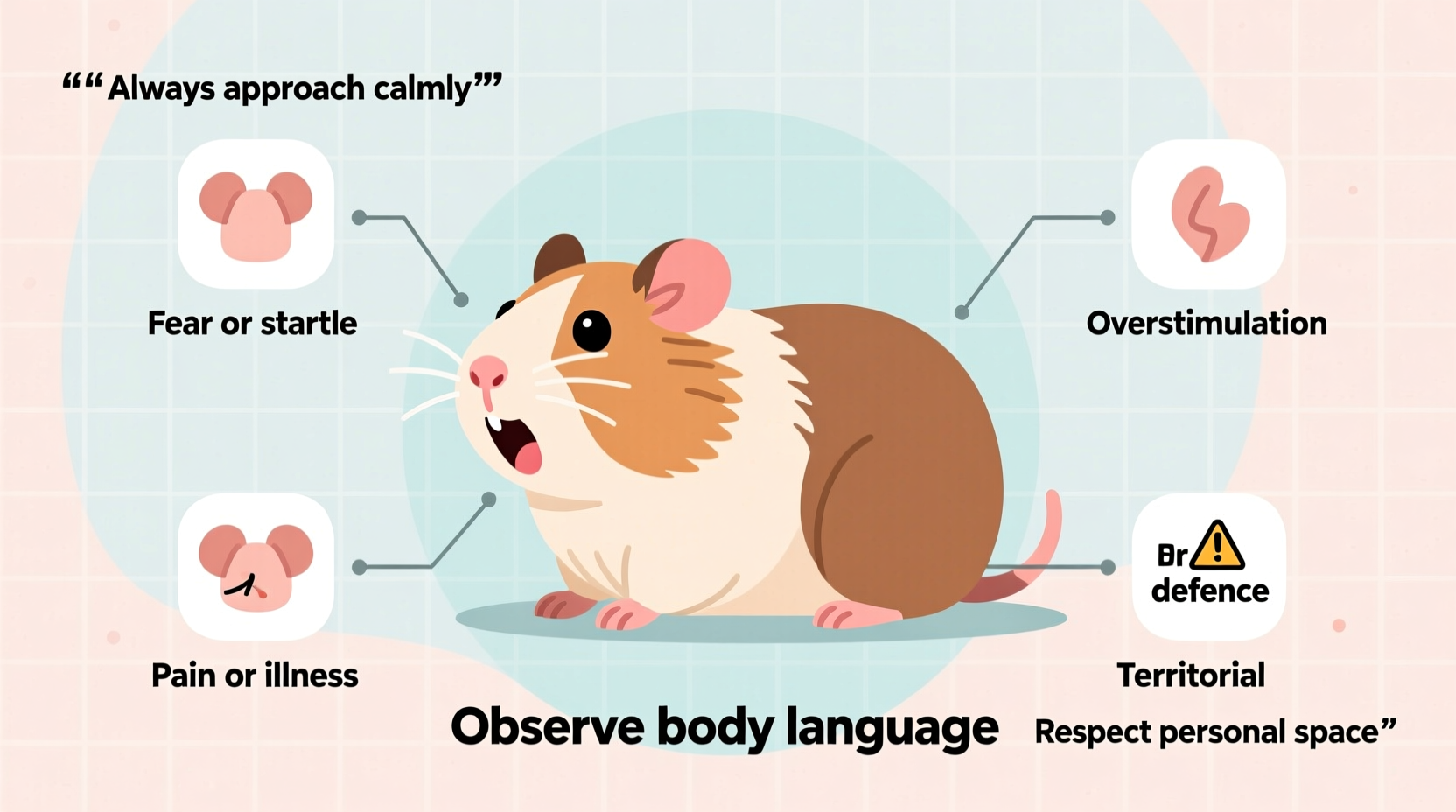
Guinea pigs don’t bite out of malice. Their actions are usually rooted in instinct, emotion, or environmental factors. Recognizing these triggers is the first step toward prevention.
- Fear or stress: Sudden movements, loud noises, or unfamiliar hands can scare a guinea pig into defensive biting.
- Pain or illness: A guinea pig in discomfort may lash out when touched, especially if the area being handled is sore.
- Mistaken identity: They may nibble fingers thinking they’re food, particularly if you’ve recently handled vegetables or treats.
- Protecting territory: Some guinea pigs become territorial over their cage, food bowl, or favorite hideout and may bite to defend it.
- Lack of socialization: Young or newly adopted guinea pigs that haven’t been handled regularly may react nervously to human contact.
- Teething or oral discomfort: Though less common than in rabbits, young guinea pigs may chew on objects (or fingers) to relieve teething pressure.
Reading Your Guinea Pig’s Body Language
Biting often follows subtle warning signs that many owners miss. Learning to interpret your guinea pig’s nonverbal cues can help prevent incidents before they occur.
A relaxed guinea pig will have soft eyes, lie flat on its belly, or stretch out comfortably. In contrast, signs of stress or discomfort include:
- Freezing in place or backing away
- Teeth chattering (a clear sign of agitation)
- Hissing or rapid breathing
- Dominant posturing, such as raising the head or puffing up fur
- Mounting or nudging aggressively
If your guinea pig exhibits any of these behaviors, pause interaction and give them space. Forcing contact when they’re stressed increases the likelihood of a defensive bite.
Prevention Strategies: Building Trust Over Time
Preventing bites isn’t about discipline—it’s about empathy and consistency. Guinea pigs thrive on routine, patience, and positive reinforcement.
- Start slow with new guinea pigs: Allow them several days to acclimate to their environment before attempting frequent handling.
- Use hand-feeding to build trust: Offer small pieces of vegetable or hay from your palm to create positive associations with your hands.
- Approach calmly and predictably: Avoid reaching from above, which mimics predator behavior. Instead, approach at eye level and let them sniff you first.
- Limit handling duration: Especially early on, keep sessions short—5 to 10 minutes—to avoid overwhelming your pet.
- Handle gently and support fully: Never grab or restrain; always support their entire body to make them feel secure.
| Do’s | Don’ts |
|---|---|
| Wash hands before handling | Handle immediately after loud noises |
| Speak softly during interaction | Force a guinea pig out of hiding |
| Offer treats during bonding time | Hold too tightly or dangle |
| Observe body language closely | Ignore signs of distress |
Expert Insight: What Veterinarians Say
“Most biting in guinea pigs stems from fear or misunderstanding, not aggression. With proper socialization and attention to their physical and emotional needs, biting behavior is almost always preventable.” — Dr. Lena Torres, Exotic Animal Veterinarian
Case Study: Turning Around a Fearful Guinea Pig
Sarah adopted a two-year-old guinea pig named Basil from a local shelter. He would hiss and retreat whenever she approached and once bit her finger when she tried to pick him up. Concerned but determined, Sarah followed a structured bonding plan.
For the first week, she sat quietly near the enclosure daily, reading aloud while offering romaine lettuce by hand. She avoided direct handling. After ten days, Basil began approaching the cage bars voluntarily. Gradually, she introduced short, supervised floor time in a safe pen, always letting him come to her.
Within three weeks, Basil allowed gentle petting and eventually climbed onto her lap for treats. The biting stopped completely. Sarah’s success wasn’t due to force, but to patience and respect for Basil’s boundaries—a reminder that trust is earned, not enforced.
Step-by-Step Guide to Correcting Biting Behavior
If your guinea pig has already shown biting tendencies, follow this timeline to correct the behavior safely:
- Week 1: Observe and adjust environment
Monitor when and where biting occurs. Ensure the cage is spacious, quiet, and equipped with hides, hay, and enrichment. - Week 2: Begin passive interaction
Sit near the cage daily without touching. Talk softly and offer treats through the bars. - Week 3: Introduce hand-feeding
Encourage eating from your open palm. Stop if the guinea pig shows tension. - Week 4: Start brief handling
Only after consistent positive responses, scoop them gently using both hands. Limit to 5 minutes. - Week 5+: Reinforce positive behavior
Reward calmness with praise and treats. End sessions before the guinea pig becomes restless.
Frequently Asked Questions
Is it normal for guinea pigs to bite?
Occasional light nipping, especially during feeding, can happen, but hard or aggressive biting is not normal. It signals discomfort, fear, or poor socialization and should be addressed with behavioral adjustments.
My guinea pig only bites one family member—why?
This often relates to scent, tone of voice, or past interactions. The guinea pig may associate that person with sudden movements or stress. Encourage that family member to participate in hand-feeding and quiet bonding sessions to rebuild trust.
Can health issues cause biting?
Yes. Dental problems, arthritis, or skin infections can make handling painful. If biting starts suddenly in an otherwise gentle guinea pig, consult an exotic veterinarian to rule out medical causes.
Final Thoughts: Prevention Through Patience
Understanding why guinea pigs bite transforms frustration into opportunity—an opportunity to deepen your connection and provide better care. These sensitive animals rely on consistency, safety, and kindness. By recognizing their limits, responding to their cues, and investing time in trust-building, you create an environment where biting becomes unnecessary and rare.
Every guinea pig is an individual. Some adapt quickly; others need weeks or months to feel secure. The key is not speed, but sensitivity. With the right approach, even the most hesitant guinea pig can learn to see your hand not as a threat, but as a source of comfort and treats.
💬 Have a story about overcoming biting behavior with your guinea pig? Share your experience in the comments—your journey could inspire another pet owner to keep trying.








