Dogs greet each other in ways that might seem strange—or even comical—to humans. One of the most common and misunderstood behaviors is butt-sniffing. While it may appear awkward or unhygienic to us, this act is deeply rooted in canine biology, communication, and social structure. Far from being a random quirk, butt-sniffing is a vital part of how dogs gather information, establish relationships, and navigate their social world. Understanding this behavior not only demystifies your dog’s actions but also helps you support healthy interactions with other dogs.
The Science Behind Canine Scent Communication
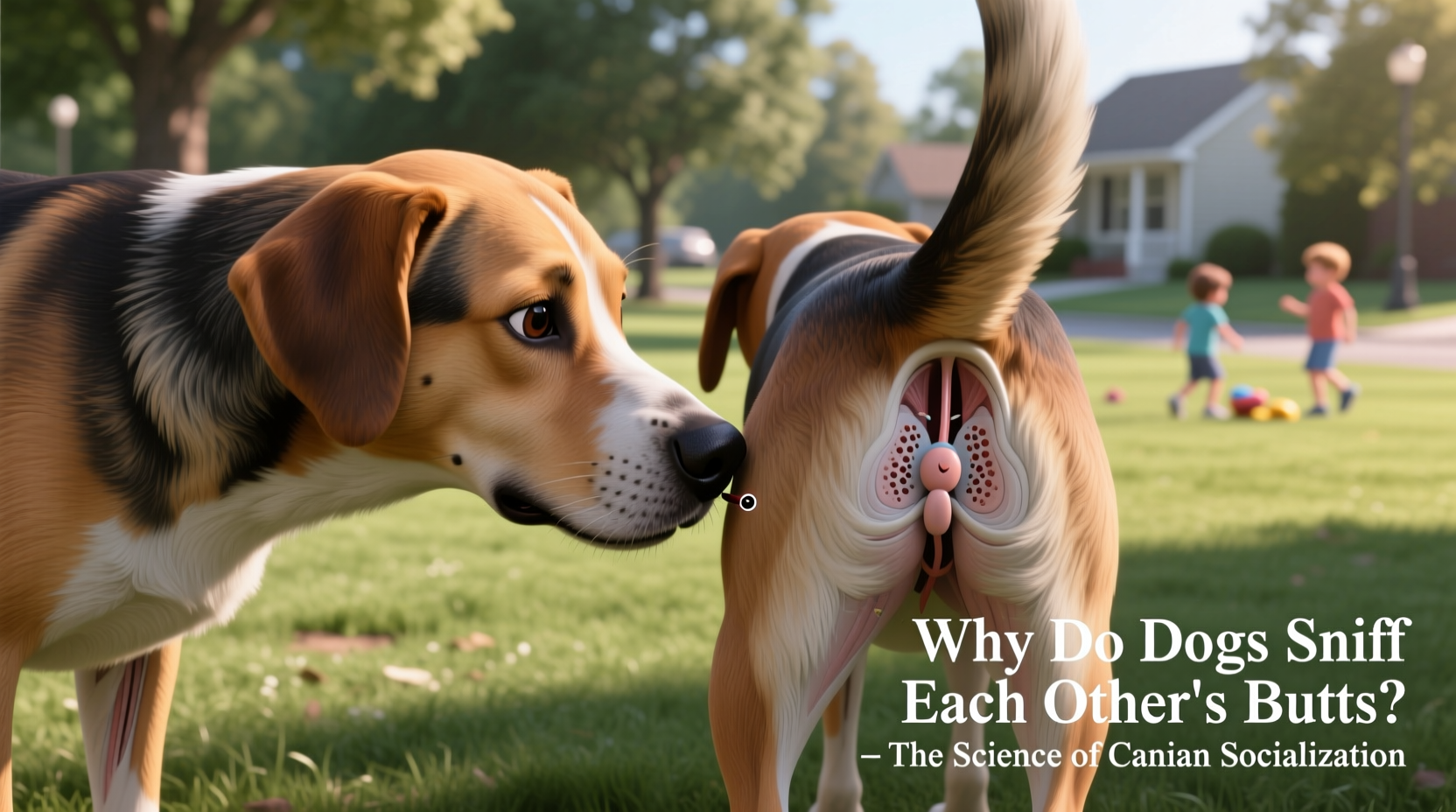
Dogs possess an extraordinary sense of smell—up to 100,000 times more sensitive than humans. Their olfactory system includes around 300 million scent receptors, compared to our mere 6 million. But beyond just detecting odors, dogs rely on scent as their primary mode of communication. This is where the anal sacs come into play.
Located on either side of a dog’s anus are two small glands called anal sacs. These sacs produce a pungent, oily secretion containing a complex chemical signature unique to each dog. When a dog defecates, some of this fluid is naturally expressed, but during close contact—especially when another dog sniffs—the full profile becomes accessible.
This secretion contains detailed biological data: age, sex, diet, emotional state, reproductive status, and even clues about health. In essence, when one dog sniffs another’s rear end, they’re reading a living, breathing ID card packed with personal information.
“Scent is the foundation of canine social intelligence. Sniffing allows dogs to assess safety, compatibility, and context before deciding how to respond.” — Dr. Karen Becker, Veterinary Biologist and Animal Behavior Specialist
Why Butt-Sniffing Is a Natural Greeting Ritual
In human culture, we shake hands, make eye contact, or say “hello” to initiate conversation. Dogs have evolved their own version of a greeting protocol—one that prioritizes information over formality. Approaching rear-first minimizes threat perception, as direct face-to-face contact can be seen as confrontational in canine language.
By initiating interaction with a sniff, dogs engage in a low-pressure exchange. It allows them to answer critical questions: Is this dog familiar? Are they healthy? Are they friendly or anxious? The answers help determine whether to proceed with play, submission, dominance, or avoidance.
This ritual is especially important in group settings like dog parks or training classes. Without the ability to perform this initial assessment, dogs may misread signals, leading to tension or conflict. Suppressing natural sniffing behavior can actually increase anxiety and reduce social competence over time.
Tip: Allow your dog a brief moment to sniff when meeting another dog—this reduces stress and supports smoother interactions.The Role of Sniffing in Social Hierarchy and Bonding
Dog societies, whether in wild packs or domestic environments, operate on nuanced social dynamics. Information gathered through scent plays a key role in establishing and maintaining these hierarchies. For example, a confident, dominant dog may allow less sniffing while initiating more themselves, signaling control. A submissive dog often presents their rear willingly, offering full access as a gesture of deference.
Over time, repeated sniffing between familiar dogs reinforces recognition and strengthens bonds. Just as humans remember voices or faces, dogs remember scents. Regular interactions with the same dogs lead to quicker, more relaxed greetings because the chemical profiles are already known and trusted.
Interestingly, research has shown that dogs who are prevented from sniffing during social encounters exhibit higher cortisol levels—a marker of stress—than those allowed to engage in natural investigative behaviors. This suggests that denying sniffing opportunities may compromise emotional well-being.
How Sniffing Prevents Conflict
Miscommunication is one of the leading causes of dog-dog aggression. A dog that hasn’t had the chance to assess another properly may react defensively out of uncertainty. By contrast, a dog that has completed a proper sniff-based introduction is far more likely to interpret body language accurately and respond appropriately.
For instance, a dog carrying the scent of illness or fear may trigger caution rather than playfulness. Similarly, a neutered male may emit different hormonal markers than an intact one, influencing how he’s approached by others. These subtle cues prevent misunderstandings that could escalate into fights.
When Sniffing Might Be Excessive or Problematic
While butt-sniffing is normal and beneficial, there are situations where it becomes excessive or inappropriate. Some dogs develop obsessive sniffing habits, particularly if under-stimulated or anxious. Others may persist despite clear signs of discomfort from the other dog, which can lead to tension or reprimands.
It’s important to observe the full context: Is the sniffing mutual? Does one dog retreat or show signs of stress (tucked tail, flattened ears, lip licking)? Are both dogs relaxed afterward? If not, intervention may be needed—not to stop sniffing altogether, but to ensure respectful boundaries.
| Behavior | Normal? | Action Recommended |
|---|---|---|
| Quick mutual sniff, then play | Yes | Allow interaction to continue |
| Prolonged sniffing despite avoidance | No | Gently redirect with a cue or leash |
| Sniffing accompanied by stiff posture | Potentially concerning | Monitor closely; intervene if needed |
| Dog refuses all sniffing attempts | Situational | Respect space; assess for fear or pain |
Medical Exceptions and Red Flags
In rare cases, persistent sniffing at another dog’s rear may indicate a medical issue in the recipient. Infected or impacted anal glands can emit unusually strong odors, attracting excessive attention. If your dog is frequently targeted or seems uncomfortable during greetings, consult your vet to rule out gland problems, diarrhea residue, or skin infections.
Step-by-Step Guide to Supporting Healthy Dog-to-Dog Interactions
As a responsible dog owner, you can foster positive social experiences by understanding and facilitating natural behaviors. Here’s how to support healthy sniffing and socialization:
- Allow Initial Sniffing Time: When dogs meet, give them 5–10 seconds to exchange scents before intervening. Avoid pulling the leash tight, as this increases tension.
- Observe Body Language: Look for relaxed tails, soft eyes, and play bows. If one dog turns away or freezes, give space.
- Avoid Interrupting Prematurely: Unless aggression occurs, let the dogs complete their greeting ritual. Interrupting mid-sniff can confuse them and heighten anxiety.
- Practice Controlled Introductions: In busy areas, use neutral territory and keep leashes loose to reduce perceived threat.
- Reinforce Calm Behavior: After a successful greeting, praise quietly or offer a treat if appropriate, reinforcing positive outcomes.
Real-World Example: Socialization Challenges at the Dog Park
Max, a three-year-old Border Collie, had always been energetic but struggled with other dogs. His owner, Sarah, noticed that Max would lunge toward newcomers, often getting rebuffed or corrected. Frustrated, she considered avoiding group settings altogether.
After consulting a certified dog behaviorist, Sarah learned that Max wasn’t being aggressive—he was skipping the sniffing phase entirely due to overexcitement. Without gathering crucial scent information, Max defaulted to high-arousal behavior, misreading social cues.
The solution? Structured off-leash greetings with one calm dog at a time, using a six-foot leash to allow controlled sniffing. Within weeks, Max began pausing instinctively to investigate before engaging. His confidence grew, and his interactions became smoother and more predictable.
This case highlights how foundational sniffing is to canine diplomacy. When rushed or denied, dogs lose a critical tool for emotional regulation and social clarity.
Frequently Asked Questions
Is it okay to stop my dog from sniffing another dog’s butt?
Occasionally, yes—if the interaction becomes intrusive or one dog is clearly uncomfortable. However, routinely preventing sniffing can hinder social development. The goal is balance: allow natural investigation while teaching boundaries through positive reinforcement.
Do all dogs sniff each other, or is it breed-specific?
All dogs, regardless of breed, have the physical capacity and instinct to sniff. However, individual temperament, early socialization, and past experiences influence how readily they engage. Shy or poorly socialized dogs may avoid sniffing, while confident ones initiate it more frequently.
Can too much sniffing be a sign of a problem?
Excessive sniffing—especially if compulsive or focused on one area—can indicate anxiety, boredom, or sensory-seeking behavior. If your dog fixates on butts even when alone or shows signs of distress, consider consulting a behavior professional.
Checklist: Promoting Positive Canine Socialization
- ✅ Allow time for natural scent exchange during greetings
- ✅ Watch for body language indicating comfort or stress
- ✅ Choose calm, neutral environments for introductions
- ✅ Avoid punishment for sniffing-related behaviors
- ✅ Support gradual exposure, especially for shy or reactive dogs
- ✅ Schedule regular, low-pressure social outings
- ✅ Consult a trainer if your dog shows fear or aggression
Conclusion: Respecting the Canine Way of Connecting
Butt-sniffing isn’t just a funny habit—it’s a sophisticated, biologically driven method of connection. It allows dogs to communicate in a language we can’t perceive but must respect. By recognizing its importance, we become better advocates for our pets’ emotional and social needs.
Rather than discouraging this natural behavior, guide it thoughtfully. Create spaces where dogs can interact safely, learn from one another, and build confidence through honest communication. When we honor the way dogs relate, we don’t just tolerate their instincts—we empower them to thrive.
💬 Have a story about your dog’s social quirks? Share your experience below and help fellow pet owners understand the fascinating world of canine communication!








