
Dogs greet each other in a way that often makes humans cringe: they sniff each other’s rear ends. While it might seem bizarre or even rude from a human perspective, this behavior is completely normal—and deeply meaningful—for canines. Far from being a mere quirk, butt-sniffing is an essential part of dog-to-dog communication. It allows them to gather critical information about identity, health, emotional state, and social status. Understanding this instinctive ritual offers insight into how dogs perceive the world, process social cues, and establish relationships.
This article explores the biological, behavioral, and evolutionary reasons behind this common canine custom. From the anatomy of scent glands to the role of olfactory processing in the dog brain, we’ll break down exactly what dogs learn when they engage in this intimate exchange. We’ll also address common concerns among pet owners and provide practical guidance for navigating social interactions between dogs.
The Science Behind Canine Scent Detection
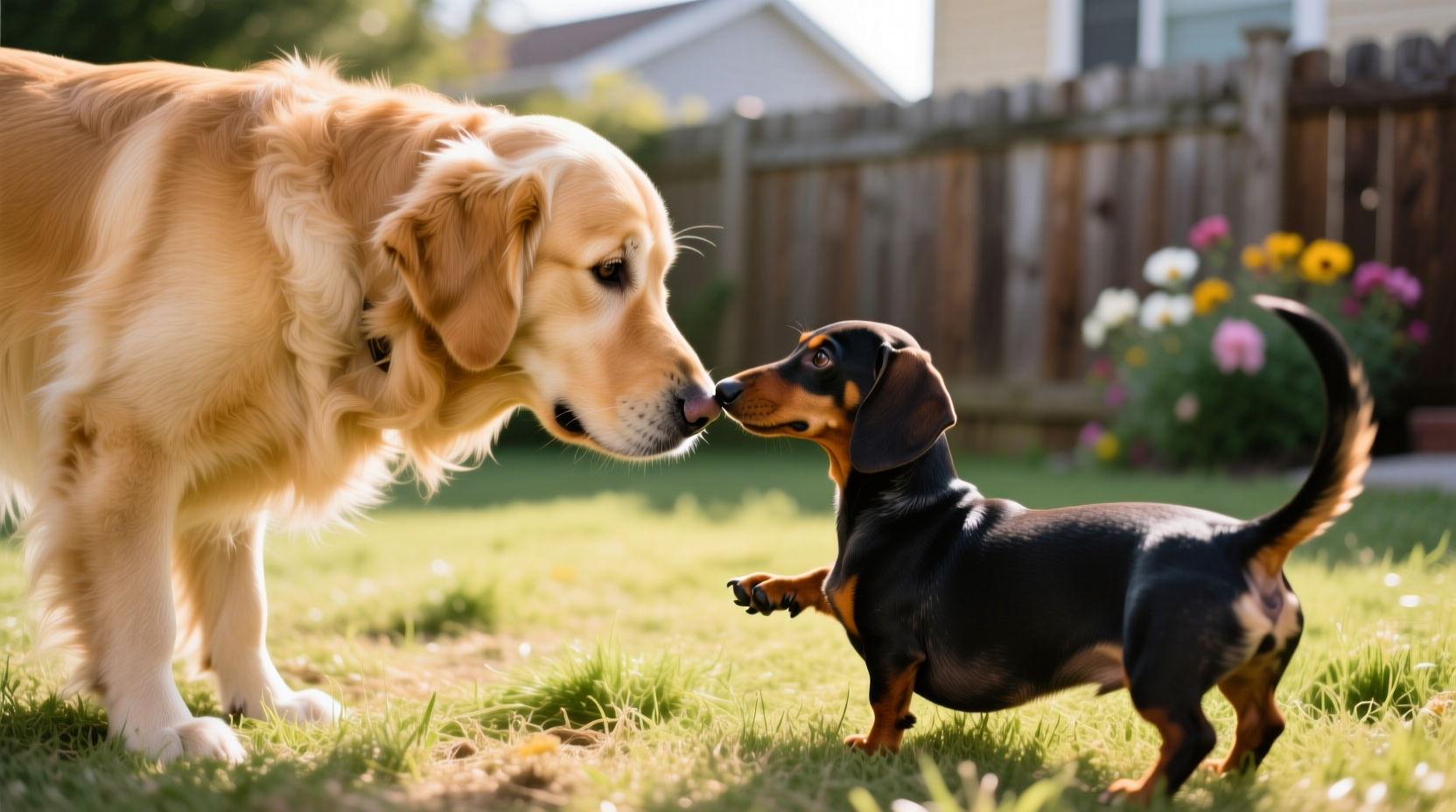
Dogs possess an extraordinary sense of smell—far beyond anything humans can experience. Their olfactory system is estimated to be 10,000 to 100,000 times more sensitive than ours. This ability isn’t just about detecting odors; it's about interpreting complex chemical signals embedded within them.
The key lies in the nasal structure. Dogs have up to 300 million olfactory receptors (humans have about 6 million), along with a specialized organ called the vomeronasal organ (or Jacobson’s organ), which helps detect pheromones—chemicals used for intraspecies communication. When a dog sniffs another dog’s rear, they are not simply smelling waste or sweat; they are decoding a detailed biochemical profile.
Anal sacs, located on either side of a dog’s anus, secrete a unique fluid containing volatile organic compounds. Each secretion carries individualized information, much like a biological barcode. These secretions are influenced by genetics, diet, hormones, immune function, and microbial flora. A single sniff can reveal:
- Gender and reproductive status
- Emotional state (calm, anxious, aggressive)
- Health indicators (infections, digestive issues)
- Individual identity (like a fingerprint)
- Social hierarchy cues
“Dogs live in a world dominated by scent. For them, a butt sniff is equivalent to reading someone’s ID card, medical history, and mood journal—all in one breath.” — Dr. Alexandra Horowitz, canine cognition researcher, Barnard College
Why Butt-Sniffing Is a Natural Social Ritual
In dog society, direct eye contact or sudden movements can be perceived as threatening. Therefore, dogs rely heavily on non-confrontational methods of gathering information. Sniffing the rear end serves as a polite, low-pressure introduction.
When two dogs meet, the sequence typically unfolds as follows: approach → mutual circling → rear-end investigation → full-body sniffing → play or disengagement. The initial focus on the hindquarters is strategic. Because anal sac secretions are highly concentrated and consistently accessible, they offer the fastest route to essential data.
This ritual also establishes trust. By allowing another dog to sniff them, individuals signal submission or peaceful intent. Refusing to permit a sniff—or attempting to sniff without invitation—can escalate tension and lead to conflict. In well-socialized dogs, this process happens smoothly and efficiently, often within seconds.
Tip: Never interrupt your dog during a polite sniffing exchange with another dog—it’s a crucial part of their social language.What Information Do Dogs Actually Gather?
The depth of information obtained through butt-sniffing may surprise many owners. Unlike humans, who rely primarily on visual and verbal cues, dogs “see” the world through scent. Here’s a breakdown of what they detect:
| Information Type | How It’s Conveyed | Practical Implication |
|---|---|---|
| Identity | Unique chemical signature from anal sac fluid | Distinguishes familiar vs. unfamiliar dogs |
| Sex & Reproductive Status | Hormonal markers (e.g., testosterone, estrogen) | Indicates if a female is in heat or male is neutered |
| Emotional State | Stress-related chemicals like cortisol metabolites | Helps assess whether the other dog is fearful or confident |
| Health Condition | Changes in gut microbiome, infection byproducts | May explain avoidance behavior toward sick dogs |
| Diet & Digestion | Volatile compounds from food metabolism | Can indicate recent meals or digestive irregularities |
This sensory input shapes how dogs respond socially. A healthy, calm-smelling dog is more likely to be approached playfully. Conversely, a dog emitting stress signals or illness-related scents may be avoided or approached cautiously—even if they appear physically fine.
Common Misunderstandings Among Dog Owners
Many people misinterpret butt-sniffing as inappropriate or unhygienic. Some even try to prevent it out of embarrassment or concern. However, discouraging this behavior can disrupt normal canine social development and cause confusion or anxiety in dogs.
One common mistake is pulling a dog away mid-sniff. This interrupts vital communication and may lead to frustration or defensive reactions. Similarly, excessive bathing or cleaning a dog’s anal area can mask natural scents, making it harder for other dogs to read them accurately.
Another misconception is that only dominant dogs initiate sniffing. In reality, both dominant and submissive dogs participate equally. Submission is shown not by avoiding the act, but by posture—such as lowering the body or turning slightly sideways—during the interaction.
A Real-Life Example: Social Integration at the Dog Park
Consider Max, a two-year-old Labrador Retriever adopted from a shelter. His owner, Sarah, noticed he often froze when other dogs approached, sometimes growling lightly even when the other dog seemed friendly. Concerned, she consulted a certified canine behaviorist.
The expert observed Max during several park visits and noted that he frequently attempted to sniff others but was quickly yanked back by Sarah, who felt uncomfortable with the behavior. Over time, Max had learned that approaching other dogs led to correction, creating anxiety around greetings.
After being advised to allow brief, consensual sniffing sessions, Sarah changed her approach. She let Max engage naturally, intervening only if signs of aggression appeared. Within weeks, his confidence improved dramatically. He began initiating play more readily and responded calmly to new dogs. The simple act of permitting a natural greeting ritual transformed his social competence.
How to Support Healthy Canine Greetings
As a dog owner, you don’t need to encourage butt-sniffing—but you should understand its importance and avoid interfering unnecessarily. Supporting healthy social interactions involves observation, patience, and informed decision-making.
Here’s a step-by-step guide to managing dog-to-dog introductions effectively:
- Observe body language: Look for relaxed postures, loose wagging tails, and mutual interest before allowing close contact.
- Allow time for sniffing: Give dogs 10–30 seconds to exchange scents without interruption.
- Maintain loose leash control: Keep the leash slack to reduce tension; tight leashes can provoke defensiveness.
- Intervene only if needed: Step in only if there are clear signs of aggression—stiffening, raised hackles, growling, lunging.
- Respect individual preferences: Some dogs prefer minimal contact; honor their comfort level without forcing interaction.
Checklist: Promoting Positive Dog Greetings
- ✅ Allow brief, mutual sniffing during initial meetings
- ✅ Watch for calming signals (licking lips, turning head)
- ✅ Avoid pulling your dog away abruptly
- ✅ Don’t force interactions between reluctant dogs
- ✅ Bathe your dog only when necessary to preserve natural scent
- ✅ Consult a trainer if your dog shows persistent fear or aggression
Frequently Asked Questions
Is butt-sniffing a sign of dominance?
No. Butt-sniffing is not inherently dominant behavior. Both higher- and lower-status dogs engage in it. Dominance is communicated through overall posture, eye contact, and resource control—not through who sniffs whom.
Should I stop my dog from sniffing other dogs’ butts?
Generally, no. Unless the interaction becomes invasive or aggressive, it’s best to let dogs follow their natural communication instincts. Interrupting polite sniffing can hinder social learning.
Can excessive sniffing be a problem?
Yes—if a dog becomes obsessive, intrusive, or ignores social rebuffs (like the other dog walking away), it may indicate poor social skills or overexcitement. Training with a professional can help modify such behaviors.
Conclusion: Embracing the Nose-Centric World of Dogs
To truly understand dogs, we must see the world through their senses—not ours. What seems odd or unsanitary to humans is, for dogs, a sophisticated and respectful form of communication. Butt-sniffing is not crude; it’s considerate. It allows dogs to make informed, safe decisions about whom to trust, play with, or avoid.
By respecting this natural behavior, we support our dogs’ emotional well-being and social fluency. Instead of suppressing their instincts, we can guide them with empathy and knowledge, helping them navigate multi-dog environments confidently and calmly.
🚀 Next time your dog leans in for a rear-end greeting, remember: they’re not being rude—they’re being brilliantly social. Share this insight with fellow dog lovers and help normalize the nose-first approach to friendship!








