Dogs don’t just play with toys—they form emotional attachments to them. Among the most iconic and enduring dog toys is the squeaky lamb chop. For decades, this plush, floppy-eared toy has captured the hearts (and jaws) of dogs across breeds and ages. But what makes it so irresistible? Is it the sound, the shape, or something deeper rooted in canine instinct? The answer lies at the intersection of biology, behavior, and design.
Understanding why dogs are drawn to lamb chop toys isn't just a fun curiosity—it can help pet owners choose better toys, enrich their dog’s daily life, and even strengthen the human-canine bond. From the satisfying squeak to the soft texture that mimics prey, every feature of the lamb chop toy taps into primal instincts and sensory preferences hardwired into dogs over thousands of years of evolution.
The Squeak Factor: Triggering the Prey Drive
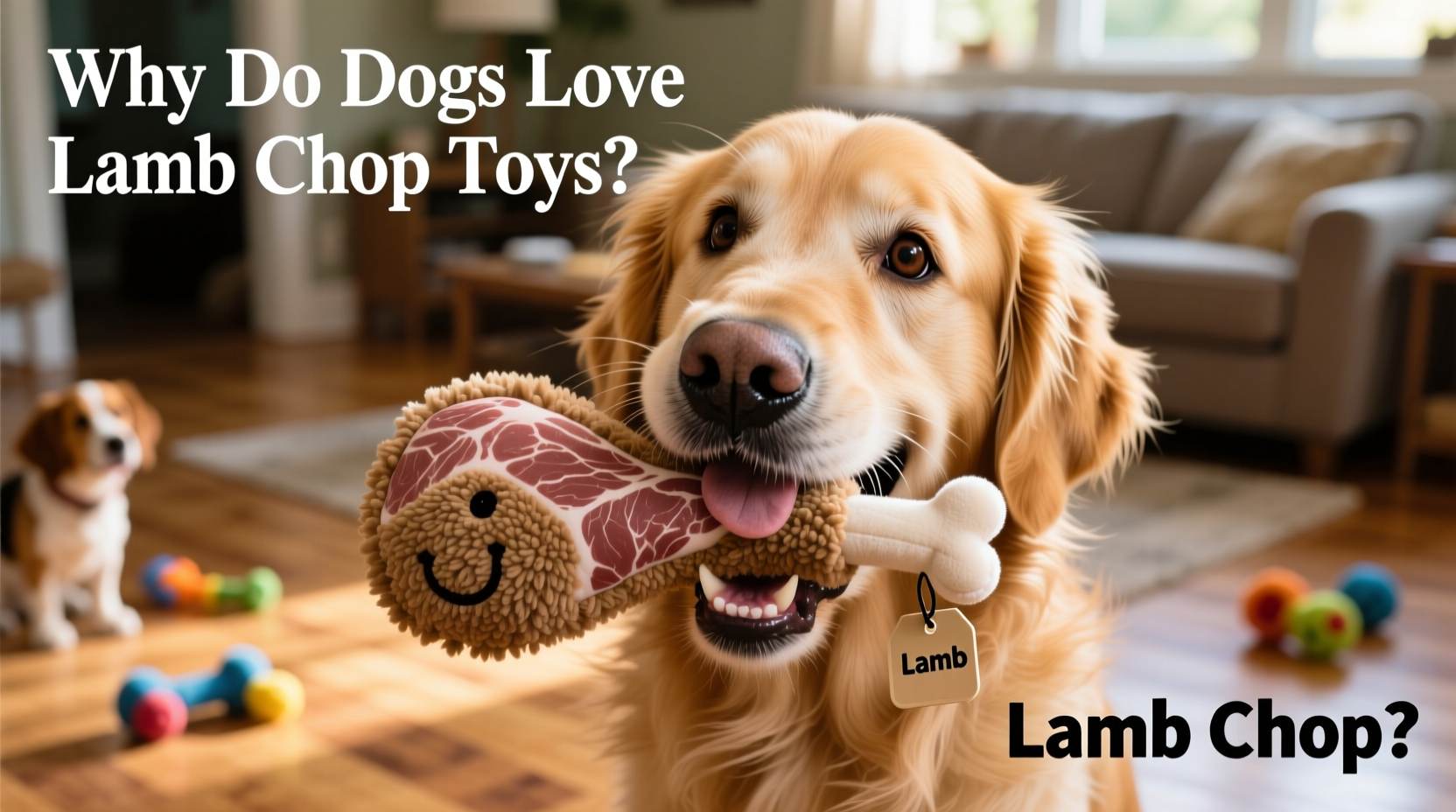
One of the most distinctive features of the lamb chop toy is its internal squeaker. When bitten, it emits a high-pitched sound that closely resembles the distress call of small animals like rodents or birds. This isn’t coincidental—it’s intentional design aligned with canine psychology.
Dogs are natural hunters. Even domesticated pets retain strong predatory instincts. The sequence of hunting behavior includes orienting, stalking, chasing, catching, and killing. The squeak activates the final stage—killing—by simulating the sound of a dying animal. This triggers dopamine release in the dog’s brain, creating a rewarding sensation that encourages repeated biting and shaking.
“Dogs aren’t just playing when they ‘kill’ a squeaky toy—they’re fulfilling an innate behavioral sequence. The squeak acts as a bioacoustic trigger.” — Dr. Rebecca Thompson, Canine Behavior Researcher, University of Edinburgh
For many dogs, the goal isn’t just to hear the squeak once but to silence it completely. Once the squeaker is destroyed, some dogs lose interest, while others continue carrying the now-silent toy proudly, suggesting the object has transitioned from a “prey” to a “trophy.”
Tip: Rotate squeaky toys regularly to maintain novelty and prevent overstimulation or possessive behavior.Sensory Appeal: Texture, Size, and Shape
Beyond sound, the physical characteristics of lamb chop toys make them uniquely appealing. Most are made of soft, plush fabric that feels pleasant to bite and carry. Unlike rigid rubber toys, plush toys conform to a dog’s mouth, making them comfortable for extended chewing and cuddling.
The classic lamb chop shape—long, narrow, and slightly curved—fits naturally in a dog’s jaws. It’s easy to grip, shake, and toss. This ergonomic design mirrors the size and weight of small prey animals, reinforcing the hunt-and-carry instinct. Many dogs treat their lamb chop like a prized possession, sleeping with it or retrieving it on command.
Additionally, the floppy ears and stitched-on eyes give the toy a face-like appearance, which may engage a dog’s social cognition. Some researchers suggest that facial features on toys increase attachment, similar to how children bond with stuffed animals.
Why Plush Toys Outlast Others in Affection
- Softness: Gentle on teeth and gums, ideal for indoor play.
- Portability: Lightweight and easy to carry around the house or yard.
- Familiarity: Often introduced during puppyhood, forming early emotional bonds.
- Odor retention: Absorbs the dog’s scent, turning it into a personal security object.
Emotional Attachment and Comfort Objects
Just like humans form attachments to childhood blankets or stuffed animals, dogs develop deep emotional connections to certain toys. The lamb chop often becomes a comfort object—especially for dogs left alone or adjusting to new environments.
This attachment goes beyond mere play. Dogs may seek out their lamb chop when anxious, tired, or seeking reassurance. In multi-dog households, it’s not uncommon for one dog to claim a specific toy as theirs, guarding it gently or retreating with it when overwhelmed.
Studies in canine cognition show that familiar objects can reduce cortisol levels—the hormone associated with stress. A well-loved lamb chop, imbued with the dog’s own scent and memories of positive interaction, functions much like a transitional object in child psychology.
Mini Case Study: Max the Rescue Beagle
Max, a three-year-old beagle adopted from a shelter, arrived with severe separation anxiety. His foster family introduced a squeaky lamb chop during his first night home. Within days, Max began carrying it everywhere. During thunderstorms, he would curl around it, whimpering less than before. Over time, the toy became a symbol of safety. Even after six months in his permanent home, Max sleeps with the tattered, squeaker-less lamb chop tucked under his chin.
His veterinarian noted, “The toy didn’t cure his anxiety, but it gave him a coping mechanism. It’s a tangible source of control in an unpredictable world.”
Design Evolution: Why the Lamb Chop Endures
Since its introduction in the 1950s by toy manufacturers like Ty Inc. and later adopted by pet brands such as Nylabone and PetSafe, the lamb chop toy has undergone minimal changes—proof of its effective design. While modern versions include reinforced stitching, multiple squeakers, or crinkle layers, the core concept remains unchanged.
A comparative analysis of popular dog toys reveals why the lamb chop stands out:
| Toys | Sensory Features | Instinct Activation | Durability | Emotional Bond Potential |
|---|---|---|---|---|
| Lamb Chop (Plush) | Squeak, soft texture, crinkle sound | High (prey drive, carrying) | Low to moderate | Very High |
| Rubber Kong | Bounce, chew resistance | Moderate (chewing, problem-solving) | Very High | Moderate |
| Flyer Disc | Airborne motion | High (chasing) | Moderate | Low to moderate |
| Rope Toy | Texture, tug function | Moderate (tugging, social play) | High | Low |
The data shows that while other toys excel in durability or physical engagement, the lamb chop uniquely combines sensory stimulation with emotional resonance, making it irreplaceable for many dogs despite its fragility.
Choosing the Right Lamb Chop Toy: A Practical Checklist
Not all lamb chop toys are created equal. To maximize enjoyment and safety, consider the following when selecting one for your dog:
- ✅ Choose non-toxic, pet-safe materials with double-stitched seams.
- ✅ Match the toy size to your dog’s breed—small toys can be choking hazards.
- ✅ Look for removable squeakers if your dog tends to destroy them quickly.
- ✅ Avoid toys with small plastic eyes or buttons that can be chewed off.
- ✅ Introduce the toy during calm moments to encourage positive association.
- ✅ Supervise initial play to ensure safe interaction.
FAQ: Common Questions About Lamb Chop Toys
Is it normal for my dog to become obsessed with a lamb chop toy?
Yes. Obsession with a particular toy is common and usually harmless. As long as the behavior doesn’t interfere with eating, exercise, or socialization, it’s a sign of healthy attachment. However, if your dog becomes aggressive when protecting the toy, consult a trainer to address resource guarding.
Should I replace the toy once the squeaker breaks?
Only if your dog loses interest. Many dogs continue to value the toy even after the squeak is gone. Some prefer the quiet version for cuddling. Replace it when it becomes a safety hazard—such as torn fabric or exposed stuffing.
Can puppies play with lamb chop toys?
Yes, but under supervision. Puppies explore the world with their mouths and may ingest fabric or foam. Choose puppy-safe versions with reinforced construction and monitor playtime closely.
Conclusion: More Than Just a Toy
The lamb chop toy is more than a whimsical design—it’s a masterclass in understanding canine needs. It speaks to dogs in the language of instinct: sound, texture, shape, and scent. Whether triggering a burst of predatory energy or offering quiet comfort during a storm, it fulfills roles both primal and emotional.
By recognizing why dogs love these toys, owners can make more thoughtful choices about enrichment, support mental well-being, and deepen their connection with their pets. The next time you see your dog gently tossing a worn lamb chop in the air or curling up with it at bedtime, remember—you’re witnessing more than play. You’re seeing instinct, memory, and affection woven into a simple plush form.
🚀 Have a story about your dog’s favorite lamb chop toy? Share it in the comments—we’d love to hear how this timeless toy has touched your pet’s life.








