
Dogs licking their paws isn’t inherently concerning—many do it occasionally as part of grooming. But when paw licking becomes compulsive, lasting for minutes at a time or causing raw, inflamed skin, it’s a sign something deeper is happening. Obsessive paw licking can point to medical conditions, environmental factors, or emotional distress. Understanding the root causes is essential to helping your dog find relief and preventing long-term complications like infections or behavioral reinforcement.
This article explores the most common reasons behind obsessive paw licking in dogs, from allergies to anxiety, and provides practical, veterinarian-backed strategies to address each trigger effectively.
Common Medical Causes of Obsessive Paw Licking
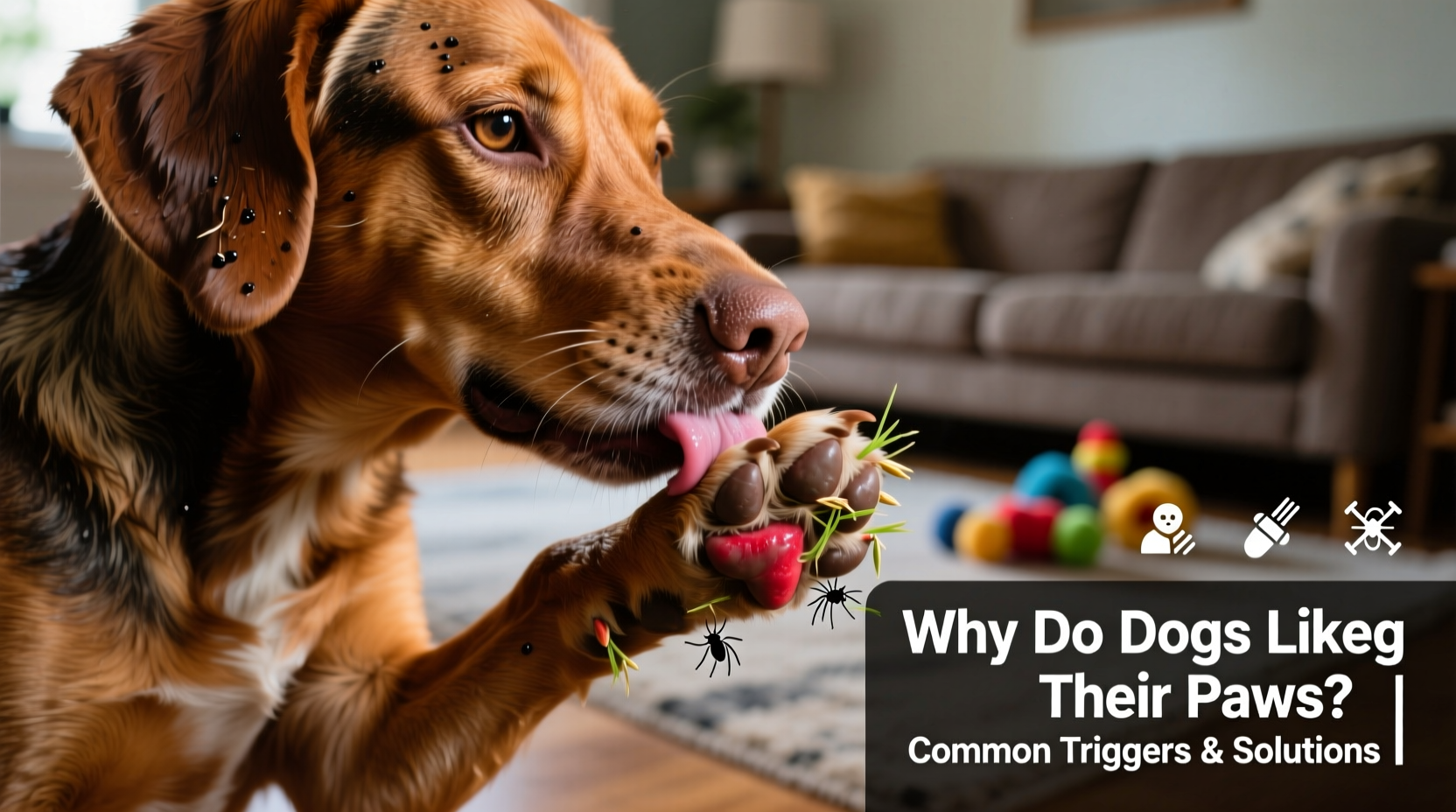
When a dog persistently licks one or more paws, the first consideration should be underlying health issues. These often manifest through physical discomfort that prompts self-soothing behaviors like licking.
Allergies: The Leading Culprit
Allergic reactions are among the top reasons dogs obsess over their paws. Whether environmental (like pollen, dust mites, or mold) or food-based (such as chicken, beef, or grains), allergens trigger inflammation and itching. Paws are particularly vulnerable because they come into direct contact with allergens on the ground.
Dogs with allergic dermatitis may chew between toes, lick paw pads, or rub feet against furniture. Over time, chronic licking leads to “lick granulomas”—thickened, irritated sores that are difficult to heal.
Tip: Wipe your dog’s paws with a damp cloth after walks to remove allergens like pollen, salt, or chemicals.Skin Infections and Yeast Overgrowth
Moisture trapped between toes creates an ideal environment for bacterial or yeast infections. Malassezia, a type of yeast, commonly proliferates in warm, damp areas and causes intense itching. Dogs respond by licking, which worsens the condition by introducing more moisture and bacteria.
Signs include redness, swelling, a musty odor, and brown staining on light-colored fur around the paws.
Foreign Objects and Injuries
A splinter, thorn, glass shard, or piece of gravel lodged between the toes can cause sharp pain and provoke persistent licking. Even minor injuries like cracked paw pads, cuts, or burns from hot pavement can lead to focused attention on the affected area.
Inspect each paw carefully, spreading the toes to check for embedded debris or signs of trauma.
Arthritis and Joint Pain
Older dogs may lick their paws not due to foot problems, but because of referred pain from osteoarthritis in hips or knees. The act of licking releases endorphins, offering temporary comfort. This behavior is often rhythmic and occurs during rest periods.
“Chronic paw licking in senior dogs shouldn't be dismissed as habit. It's often a silent cry for pain management.” — Dr. Rebecca Langston, DVM, Veterinary Behaviorist
Behavioral and Psychological Triggers
When medical causes are ruled out, the focus shifts to behavioral factors. Dogs, like humans, engage in repetitive actions when stressed, bored, or anxious. Paw licking can become a self-soothing mechanism—a displacement behavior that calms nervous energy.
Anxiety and Stress
Situational stressors such as thunderstorms, fireworks, separation from owners, or changes in household dynamics can prompt obsessive licking. Dogs may retreat to a quiet corner and begin licking intensely during or before stressful events.
In some cases, this develops into a compulsive disorder, similar to OCD in humans, where the behavior persists even after the initial trigger is gone.
Boredom and Lack of Stimulation
Dogs left alone for long periods without adequate mental or physical exercise may resort to licking as a way to pass time. Breeds prone to high intelligence and energy��such as Border Collies, German Shepherds, or Labradors—are especially susceptible.
The behavior starts sporadically but can become habitual if not addressed early.
Reinforcement Through Attention
Sometimes, well-meaning owners unintentionally reinforce paw licking. If a dog learns that licking brings attention—even scolding—they may repeat the behavior to initiate interaction.
Diagnosing the Cause: A Step-by-Step Approach
Pinpointing why your dog licks their paws requires a systematic process. Jumping to conclusions can delay proper treatment.
- Observe the pattern: Is the licking constant or situational? Does it occur more at night, during storms, or after meals?
- Check for physical signs: Look for swelling, discharge, odor, hair loss, or limping.
- Review diet and environment: Has there been a recent change in food, cleaning products, or walking routes?
- Eliminate medical causes: Visit your veterinarian for a full exam, including skin scrapings, allergy testing, and blood work if needed.
- Assess behavior: Monitor for signs of anxiety, fear, or boredom, especially when alone.
Effective Solutions Based on Root Cause
Treatment depends entirely on identifying the primary driver. A multi-pronged approach often yields the best results.
Medical Interventions
- Allergy Management: Your vet may recommend an elimination diet for food allergies or prescribe antihistamines, immunotherapy, or corticosteroids for environmental allergies.
- Antifungal or Antibiotic Treatments: Topical creams or oral medications are used to treat yeast or bacterial infections.
- Pain Relief: For arthritis, NSAIDs, joint supplements (like glucosamine), or alternative therapies such as laser treatment can reduce discomfort.
Environmental Modifications
- Switch to hypoallergenic bedding and cleaning products.
- Use pet-safe ice melt in winter instead of salt.
- Install air purifiers to reduce indoor allergens.
- Wash paws after outdoor activity with a gentle, pH-balanced pet wipe.
Behavioral Strategies
- Increase daily exercise and mental enrichment through puzzle toys, training, or nose work games.
- Establish a consistent routine to reduce anxiety.
- Use positive reinforcement to reward calm behavior.
- Avoid punishment, which can heighten stress and worsen compulsive habits.
| Trigger | Signs | Solutions |
|---|---|---|
| Allergies | Red, itchy paws; frequent licking after walks; ear infections | Diet trial, antihistamines, regular paw cleaning |
| Yeast Infection | Musty smell, brown staining, swollen toes | Antifungal shampoo, oral medication, keep paws dry |
| Anxiety | Licking during storms or alone; pacing; panting | Behavior modification, calming aids, routine |
| Boredom | Licking when idle; destructive chewing | Increased play, training, interactive toys |
| Joint Pain | Licking while resting; stiffness; reluctance to jump | Pain meds, joint support, soft bedding |
Mini Case Study: Max, the Golden Retriever with Seasonal Licking
Max, a 4-year-old Golden Retriever, began excessively licking his front paws every spring. His owner noticed reddened skin and hair thinning between the toes. Despite trying bitter sprays and socks, the behavior persisted.
A veterinary dermatologist performed intradermal allergy testing and identified sensitivity to grass pollen and ragweed. The treatment plan included:
- Administering a monthly monoclonal antibody injection (lokivetmab) to block itch signals.
- Using hypoallergenic paw wipes after every walk.
- Starting a course of omega-3 fatty acid supplements to support skin health.
Prevention Checklist: Stop Paw Licking Before It Starts
Proactive care reduces the risk of obsessive licking taking hold. Use this checklist regularly:
- ✅ Inspect paws weekly for cuts, swelling, or foreign objects.
- ✅ Clean paws after outdoor exposure, especially in high-allergen seasons.
- ✅ Feed a balanced, high-quality diet; consider limited-ingredient options if allergies are suspected.
- ✅ Provide daily mental stimulation (training, toys, walks).
- ✅ Schedule annual vet exams, including skin and joint assessments.
- ✅ Address anxiety early with desensitization or professional help.
- ✅ Rotate toys and activities to prevent boredom.
Frequently Asked Questions
Is it normal for dogs to lick their paws every day?
Occasional licking as part of grooming is normal. However, prolonged, repetitive licking—especially if it causes redness, odor, or hair loss—is not. Daily, intense paw licking should be evaluated by a veterinarian.
Can diet really affect my dog’s paw licking?
Yes. Food allergies account for up to 20% of allergic skin conditions in dogs. Common triggers include beef, dairy, chicken, wheat, and soy. A veterinary-supervised elimination diet is the gold standard for diagnosis.
What can I use to stop my dog from licking their paws?
While Elizabethan collars (e-collars) can prevent licking temporarily, they don’t solve the underlying issue. Instead, focus on identifying and treating the cause. Bitter sprays may help short-term but often lose effectiveness. Moisture-wicking booties or socks can protect healing paws if used alongside treatment.
Conclusion: Taking Action for Your Dog���s Comfort and Health
Obsessive paw licking is rarely just a bad habit—it’s a signal. Whether stemming from allergies, pain, or emotional distress, the behavior demands attention, not dismissal. Early intervention prevents secondary infections, reduces suffering, and stops the cycle of compulsive behavior from becoming ingrained.
Start by ruling out medical causes with your veterinarian. Then, assess your dog’s environment, routine, and emotional well-being. With patience and consistency, most cases of excessive paw licking can be resolved or managed effectively.
💬 Have you noticed changes in your dog’s paw-licking behavior? Share your experience or questions below—your story could help another pet owner find answers.








